
As the landscape of the logistics industry evolves, more small business owners are finding innovative ways to enhance their revenue streams. Among these methods is the opportunity to run a commercial truck part time, a practice that’s gaining traction in the freight sector. Recent studies show that over 70% of truck owners are exploring opportunities for side hustles, indicating a significant trend towards flexibility in commercial driving. This movement not only caters to individual entrepreneurs looking to maximize their assets but also aligns with the growing need for logistics companies to adopt dynamic and adaptable freight solutions. By leveraging part-time trucking, small businesses not only tap into new markets but also meet the increasing demand for quick and reliable transportation services. With potential benefits ranging from increased income to improved service delivery, it’s clear that running a commercial truck part time is becoming a viable option for many, paving the way for a more flexible and responsive approach to logistics.
Advantages of Running a Commercial Truck Part-Time
Running a commercial truck part-time can provide numerous benefits, particularly for logistics and delivery businesses. Below is an ordered list of the key advantages that you might consider:
- Flexibility in Scheduling
- Part-time trucking allows you to set your own hours, enabling you to accommodate personal commitments or other business responsibilities. This flexibility is particularly beneficial for owners who need to juggle multiple roles.
- Additional Income Stream
- Engaging in part-time trucking can create an additional source of income. This financial boost can help you invest in your business or cover personal expenses, enhancing your overall financial stability.
- Work-Life Balance
- By choosing part-time trucking, you can maintain a better balance between your professional and personal life. This arrangement allows you to allocate time for family, hobbies, or other interests while still contributing to your business.
- Reduced Operational Costs
- Running a truck part-time often means less wear and tear on your vehicle and reduced operational expenses. This can lead to a more sustainable business model, especially for small owners looking to minimize costs.
- Skill Development
- Part-time trucking offers valuable opportunities to develop and enhance skills pertinent to logistics and transportation. This experience can be beneficial for future expansion or full-time operations within the transport industry.
For more insights on the economic aspects of part-time trucking, you can learn more about trucking economic trends.
In conclusion, the advantages of running a commercial truck part-time, including flexibility, additional income, and enhanced work-life balance, make it an appealing option for many in the logistics sector.
Legal Considerations for Operating a Commercial Truck Part-Time
When considering running a commercial truck part-time, it is essential to understand several legal requirements, including licensing, insurance, and specific regulations that govern the logistics industry. These requirements ensure compliance with federal and state laws, protecting both the operator and the public.
Licensing Requirements
To operate a commercial truck, a valid Commercial Driver’s License (CDL) is necessary. This license varies by truck weight and type of cargo:
- Class A CDL: Required for operating vehicles over 26,001 pounds or towing a trailer over 10,000 pounds.
- Class B CDL: For driving single vehicles over 26,001 pounds or buses that seat 16 or more people.
- Class C CDL: Intended for vehicles carrying a small number of passengers or hazardous materials.
In addition to the CDL, specific endorsements may be required for handling hazardous materials (HazMat), transporting passengers, or towing large trailers. It is crucial to check with both federal and state authorities for special requirements and any additional certifications that may apply.
Insurance Requirements
Adequate insurance coverage is vital for part-time commercial truck operators. The Federal Motor Carrier Safety Administration (FMCSA) establishes minimum insurance requirements based on the type of cargo:
- Minimum Liability Coverage: Required by the FMCSA, which stipulates a minimum financial responsibility level based on the type of cargo being transported. For most trucking operations, a minimum of $750,000 liability insurance is necessary, but this amount can increase depending on the cargo type (e.g., hazardous materials).
- Physical Damage Coverage: This protects the business asset from damage or loss.
- Cargo Insurance: Often recommended, it protects the goods being transported against theft or damage.
Additional insurance coverage may be necessary based on state laws, customer contracts, or broker requirements. For a more comprehensive overview, refer to resources like FMCSA’s insurance filing requirements.
Regulations Specific to the Logistics Industry
Part-time commercial truck operators must also adhere to specific regulations set forth by the FMCSA and other local regulatory bodies:
- Hours of Service (HOS): Regulations governing driving hours and rest periods are crucial for preventing fatigue-related accidents. Operators must maintain logs of driving time, ensuring compliance with rest mandates.
- Vehicle Maintenance Standards: Regular inspections and maintenance of the vehicle are required to ensure safety for both the operator and public.
Understanding and complying with these legal considerations not only protects the operator but also plays a significant role in ensuring safe logistics operations. For further insights into how particular regulations affect trucking, consult articles such as those on trucking economic trends.
Conclusion
In conclusion, running a commercial truck part-time involves navigating a complex landscape of legal requirements concerning licensing, insurance, and specific industry regulations. Thoroughly understanding these aspects can help mitigate risks and ensure compliant operations.
Comparing Different Types of Commercial Trucks for Part-Time Use
Choosing the right type of commercial truck is crucial for achieving efficiency and cost-effectiveness, especially for part-time operations. Here, we present a comparative table of various truck types, focusing on their features, fuel efficiency, and typical usage cases suitable for part-time operations.
| Truck Type | Capacity | Fuel Efficiency (mpg) | Typical Use Cases | Alignment with Part-Time Operations |
|---|---|---|---|---|
| Light-Duty Trucks | Up to 6,000 lbs | 15-20 | City deliveries, small businesses | Ideal for urban settings, less downtime, and low operating costs. |
| Medium-Duty Trucks | 6,000 – 26,000 lbs | 10-15 | Regional deliveries, construction materials | Effective balance for businesses needing capacity without frequent use. |
| Heavy-Duty Trucks | Over 26,000 lbs | 6-8 | Long-distance freight transport | Suited for companies with less frequent but high-capacity needs. |
| Pickup Trucks | Up to 6,000 lbs | 15-25 | Versatile personal and commercial use | Flexible option for small deliveries and personal use. |
| Box Trucks | 10,000 – 33,000 lbs | 8-12 | Moving services, logistics | Cost-effective for part-time moving operations with the right capacity. |
Insights on Truck Types
- Light-Duty Trucks: These trucks are perfect for small deliveries within urban locations, making them ideal for businesses wanting to operate part-time without incurring high fuel costs.
- Medium-Duty Trucks: A great option for regional delivery routes that require a bit more power and capacity while still being manageable for less frequent use.
- Heavy-Duty Trucks: Though they might consume more fuel, their large capacity is advantageous for specific part-time logistics when high volume is expected.
- Pickup Trucks: Versatile and practical, well-suited for both work and personal use without the need for specialized permits.
- Box Trucks: Effective for businesses offering moving services or logistics, meeting demand on an as-needed basis.
For more insights on the impacts of truck order strategies, learn more about the impact on truckload margins. Understanding these factors can significantly aid logistics and procurement teams in decision-making.
Additionally, exploring trends in trucking employment may provide necessary context for part-time operations in a fluctuating market.
Case Study: The Journey of David Miller – A Part-Time Commercial Truck Owner
Introduction
David Miller, a 36-year-old entrepreneur based in Ohio, embarked on a part-time commercial trucking journey while managing a full-time job as a logistics coordinator. With a passion for trucking and the desire to supplement his income, David purchased a used commercial truck, marking the beginning of a new chapter in his life.
The Journey Begins
David’s decision to start a part-time trucking business came from observing the growing demand for freight services in his region. He believed that with his background in logistics, he could handle the complexities of running a trucking business alongside his current job.
Initial Challenges
Despite his enthusiasm, David faced several challenges:
- Time Management: Balancing his full-time job and trucking responsibilities proved difficult. He often found himself overwhelmed, struggling to allocate time for driving, paperwork, and maintenance.
- Regulatory Hurdles: Navigating the legal regulations surrounding trucking posed another significant obstacle. David had to familiarize himself with licensing, insurance requirements, and adherence to safety protocols.
- Financial Constraints: Initially, funding the purchase of the truck and covering operational costs strained David’s finances. He needed to establish a clear budget to keep his venture viable.
Overcoming Obstacles
Through perseverance and strategic planning, David managed to overcome these challenges:
-
Effective Time Management: David implemented a strict schedule that allocated specific driving days, allowing him to maximize his haul while maintaining his full-time job. By utilizing mobile apps to manage routes and maintain logs, he streamlined his operations.
-
Education: To navigate the regulatory landscape, David enrolled in local community college courses focused on trucking and transportation laws. He joined online forums to engage with other truckers, gaining insights and tips on compliance and best practices.
-
Financial Planning: David sought advice from a financial advisor on managing his business and personal finances. He set up a separate business account, which helped him track expenses better and manage cash flow more effectively. By reinvesting his profits into the business, he improved his truck’s performance and reduced maintenance costs.
Success and Growth
Over time, David’s commitment paid off. His reputation grew steadily, thanks to his reliability and professionalism. Within three years, he expanded his fleet, acquiring an additional truck. David also began to source contracts directly from manufacturers needing regular freight services, significantly increasing his revenue.
Insights for Aspiring Part-Time Truck Owners
David Miller’s story exemplifies the potential for success in part-time trucking within the logistics industry. Here are key insights for aspiring truck owners:
- Plan Anticipating Challenges: Understand challenges before they arise. Education and community insight are invaluable.
- Utilize Technology: Implementing logistics and scheduling software can streamline operations and improve efficiency.
- Diversify Income: Building relationships with multiple clients can cushion against fluctuating demands.
Conclusion
David’s journey as a part-time commercial truck owner illustrates that, with determination and smart strategies, one can successfully navigate the trucking industry. Specifically, for those contemplating this venture, David’s story highlights the importance of preparation, adherence to regulations, and financial management. His relentless pursuit of excellence can serve as inspiration for anyone looking to start their own part-time trucking business.
For more insights into the trucking industry, learn about the impact of trailer purchases on truckload margins, or discover how the Manitoba Trucking Fundraising for Special Olympics is making a difference.
Conclusion
In conclusion, running a commercial truck on a part-time basis presents several advantages that can lead to a sustainable supplementary income. As explored in this article, part-time truck driving allows individuals to enjoy the flexibility of managing their own schedules while still engaging in the rewarding logistics industry. The feasibility of this option relies on individual commitments and the potential to balance driving hours with personal responsibilities.
Additionally, part-time truck drivers are empowered to control their workload but must also consider challenges such as variable income and operational costs. Despite these hurdles, the prospect of earning extra income makes part-time trucking an attractive option for small business owners and procurement teams within the construction and logistics sectors.
For those interested in maximizing their earnings in the trucking industry, learn more about Summit Fairings or explore other resources that can enhance operational efficiency. This could be your opportunity to leverage your vehicle for additional revenue while contributing effectively to the logistics and freight landscape.
Industry Statistics for Part-Time Truck Driving
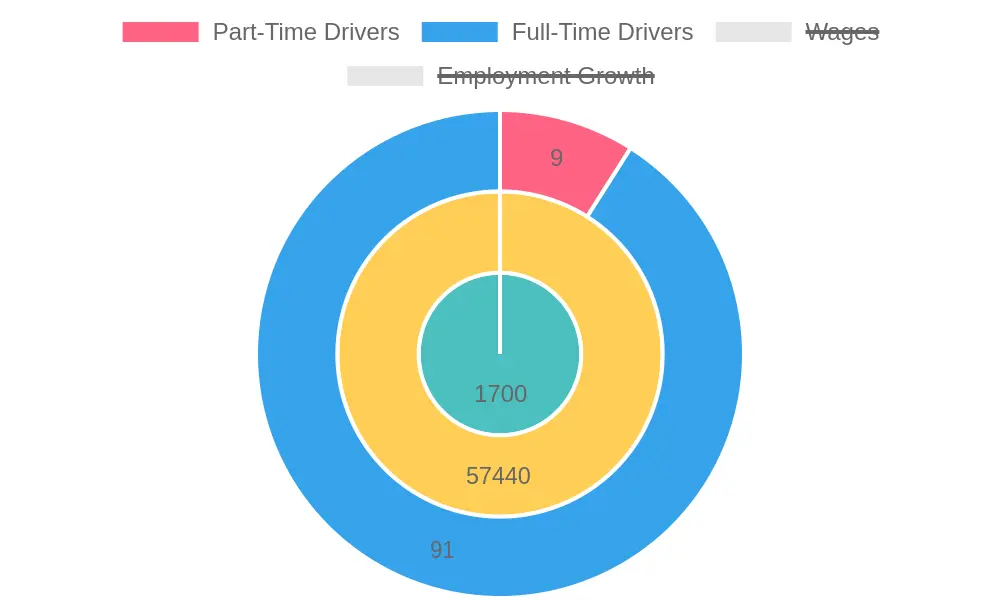
The trucking industry has seen various trends and shifts in its workforce, particularly regarding part-time drivers. Here are some key statistics reflecting the growth and current landscape of part-time truck driving as of 2024:
Key Statistics
| Statistic | Value |
|---|---|
| Percentage of Truck Drivers that are Part-Time | 9% |
| Median Annual Wage for Full-Time Drivers | $57,440 |
| Employment Growth in Truck Driving Jobs | 1,700 jobs gained by November 2024 |
| Part-Time Drivers’ Wage Insights | Data not available |
These statistics highlight the evolving landscape of the trucking industry, showing a notable percentage of part-time drivers and the earnings potential for full-time truckers. Understanding these trends can help logistics and freight companies strategize effectively to meet industry demands.
The Benefits of Flexible Work in Logistics
Flexible working arrangements have become increasingly relevant in logistics and transportation sectors. Beyond improved employee satisfaction, the benefits extend to enhanced operational efficiency and better talent acquisition. As logistics professionals face more dynamic challenges, flexibility is key to maintaining a competitive edge.
“In logistics, flexible working arrangements can greatly improve employee satisfaction and retention. Companies that adopt these practices may see a reduction in absenteeism, as employees are better able to balance work and personal life.” – Industry Insights Blog
By employing flexible work strategies, logistics firms can adapt more effectively to peak periods, thus enhancing productivity. The ability to attract diverse talent who may prefer non-traditional working hours is critical in today’s competitive job market. For businesses looking to optimize operations, embracing flexibility can drive significant benefits.
To learn more about enhancing operational efficiency, you can explore our article on trailer orders and their impact on truckload margins.
FAQ Section: Running a Commercial Truck Part-Time
-
Can I operate a commercial truck part-time without a specific license?
No, you must have a valid commercial driver’s license (CDL) to operate a commercial truck. Obtaining this license ensures that you’re trained in the necessary safety protocols and regulations. -
What are the common misconceptions about part-time trucking?
One major misconception is that part-time trucking is less profitable than full-time trucking. While income may vary, many part-time drivers can earn a significant income by strategically selecting their routes and schedules. -
How does part-time trucking impact my primary job?
If you manage your time well, part-time trucking can complement a full-time job without conflicts. Many drivers work evenings or weekends, allowing them to maintain their primary employment. -
What are the operational costs associated with part-time trucking?
Operating costs can include fuel, maintenance, insurance, and toll fees. It’s crucial to account for these expenses when determining your potential earnings. -
Are there any specific regulations for part-time truck drivers?
Yes, part-time truck drivers must adhere to the same safety and operational regulations as full-time drivers. This includes hours of service rules, vehicle inspections, and maintaining proper documentation.
By understanding these aspects of part-time trucking, you can make informed decisions about whether this venture aligns with your broader business goals. For further insights into the logistics industry, learn more about trucking partnerships and community impact.
If you’re considering incorporating a part-time trucking operation into your business model, be sure to take the time to research and understand both the benefits and responsibilities involved.