Introduction
In the fast-evolving world of logistics, securing a reliable fleet of commercial vehicles is paramount for success. A lease agreement for commercial trucks stands as a crucial tool for logistics companies and small business owners alike. Not only does it provide financial flexibility, allowing businesses to preserve capital for other investments, but it also ensures access to the latest models equipped with advanced technology. This arrangement is particularly advantageous for small business owners who might find truck ownership challenging due to high upfront costs and ongoing maintenance expenses.
Leveraging commercial vehicle leasing, businesses can adapt to changing demands while maintaining operational efficiency. A well-structured lease agreement outlines the terms, responsibilities, and expectations for both parties, minimizing risks associated with ownership. Furthermore, truck rental agreements can facilitate short-term projects, helping businesses to meet seasonal demands without overextending their financial commitments.
In this article, we will delve into the intricacies of crafting an effective lease agreement for commercial trucks. We will explore key elements that should be included to protect all parties involved, ensuring smoother operations within the competitive landscape of logistics. By emphasizing the significance of these agreements, we aim to empower logistics and freight company owners, procurement teams in construction and mining enterprises, and small business owners with delivery fleets to make informed decisions that bolster their operational capabilities and financial security.
Essential Components of a Commercial Truck Lease Agreement
Creating a comprehensive commercial truck lease agreement is crucial for logistics and freight operations. Here are ten essential components that should be included in such agreements:
- Lease Terms: Details about the duration of the lease, including whether it is a fixed term or if there are options for renewal or early termination.
- Payment Structure: Information about the monthly lease payments, any required down payments, and when payments are due.
- Maintenance Responsibilities: Specifies who will handle routine maintenance and repairs for the truck throughout the lease period. This may include obligations for both parties.
- Insurance Requirements: Outlines the minimum insurance coverage that must be maintained during the lease and who is responsible for obtaining and paying for this insurance.
- Use Restrictions: Defines how the truck can be used, including any geographical limitations to avoid unauthorized operations.
- Mileage Limitations: Stipulates any mileage caps and the additional costs incurred if those caps are exceeded. This is important for operational budgeting.
- Default Terms: Explains what conditions constitute a default on the lease agreement and the resulting penalties or actions available to the lessor.
- Indemnification Clause: Details liability terms and the responsibilities of each party in case of accidents or damage while using the truck.
- End-of-Lease Conditions: Outlines the return process of the truck at lease termination, including inspection requirements and potential fees for damages or excess mileage.
- Governing Law: Specifies which jurisdiction’s laws will govern the lease agreement, providing legal clarity for dispute resolution.
For more insights on how lease items can affect your bottom line, you can learn more about trailer orders impacting truckload margins.
These components help ensure that both the lessor and the lessee understand their rights and responsibilities clearly, which fosters a better business relationship and mitigates potential disputes.
Legal Considerations of a Lease Agreement for Commercial Trucks
When drafting a lease agreement for commercial trucks, several legal considerations must be carefully addressed to ensure compliance and mitigate potential liabilities. Here’s an overview of the key factors to keep in mind:
1. Liability Coverage
The lease agreement should clearly define the liability coverage required from both the lessor and lessee. Typically, lessees must procure insurance that covers:
- Damages to the leased truck beyond normal wear and tear
- Liability costs in case of accidents or damages to third parties
If a lessee fails to maintain adequate insurance, they may be held responsible for any damages incurred, resulting in significant financial consequences.
2. Compliance with Local Laws
It is imperative for both parties to ensure that the lease agreement complies with all relevant local, state, and federal laws. This includes:
- Local transportation regulations related to commercial trucking
- Safety and maintenance standards that the truck must meet
Non-compliance with these laws can lead to penalties and legal disputes. Working with a legal expert specializing in transportation law is advisable to navigate these complexities.
3. Endorsements
Endorsements in a lease agreement can provide additional coverage and address specific risks associated with leasing commercial trucks. Common endorsements include:
- Additional insured endorsements that protect third parties
- Breach of warranty endorsements that cover liability arising from warranty violations
Including appropriate endorsements can significantly mitigate potential legal risks.
4. Financial Obligations
Lessee’s financial responsibilities should be clearly laid out in the lease, including:
- Monthly payment details
- Additional fees or costs, such as taxes
Failure to adhere to these financial obligations could result in liabilities, including penalties or potential loss of the leased asset.
5. Termination Clauses
Effective lease agreements should include terms regarding early termination. Key considerations include:
- Possible penalties for early lease termination
- Remaining financial obligations to the lessor
Being clear on these terms can help the lessee avoid unexpected liabilities.
In essence, a well-drafted lease agreement for commercial trucks is vital for protecting both parties’ interests while ensuring compliance with legal standards. For more details on managing costs and liabilities in trucking operations, consider reading about trailer orders and truckload margins.
Conclusion
Legal considerations play a crucial role in drafting an effective lease agreement. By addressing liabilities, ensuring compliance with local laws, and including necessary endorsements, both lessors and lessees can safeguard their interests and mitigate risks associated with leasing commercial trucks.
| Aspect | Operating Lease | Finance Lease | Capital Lease |
|---|---|---|---|
| Cost Implications | Generally lower monthly payments; less upfront cost; total cost may be higher over time | Higher monthly payments; involves interest cost; often long-term financial commitment | Similar to finance lease; payments reflect ownership costs and interest over lease term |
| Ownership Rights | Ownership remains with lessor; lessee has right to use the asset only | Lessee has economic ownership; asset recorded on lessee’s balance sheet | Lessee has ownership rights; asset recorded on lessee’s books and may transfer ownership at term end |
| Tax Benefits | Lease payments often fully deductible as business expense; lessor claims depreciation | Lessee can claim depreciation and interest expense; potential tax benefits on asset | Lessee can claim depreciation and interest; similar tax treatment as finance lease |
| Lease Term | Usually shorter term, often less than asset’s useful life | Longer term, typically covering most of asset’s useful life | Long term, similar to finance lease, focused on eventual ownership |
| End of Lease Options | Return asset, renew lease, or purchase at fair market value | Option to purchase at bargain price or continue lease | Typically results in transfer of ownership to lessee |
This table provides a clear and concise comparison of the main lease types relevant to commercial truck leasing. For logistics and fleet management professionals, understanding these distinctions can help in making informed lease agreement decisions.
For further insights into commercial truck leasing dynamics and business impacts, consider exploring resources such as trailer orders’ impact on truckload margins or trucking economic trends.
Effective Strategies for Negotiating a Commercial Truck Lease Agreement
Negotiating a lease agreement for commercial trucks is crucial to ensuring your business runs efficiently and remains cost-effective. Here are some effective strategies tailored specifically for logistics and procurement teams.
Understand Current Market Rates
Before entering negotiations, you should have a firm grasp of market rates for truck leasing. According to recent trends, the average lease rates have been steadily increasing. Here’s an overview of the average monthly lease rates:
| Year | Average Lease Rate (Monthly) | Forecast for 2024 |
|---|---|---|
| 2021 | $1,500 | – |
| 2022 | $1,600 | – |
| 2023 | $1,700 | – |
| 2024 | – | $1,800 |
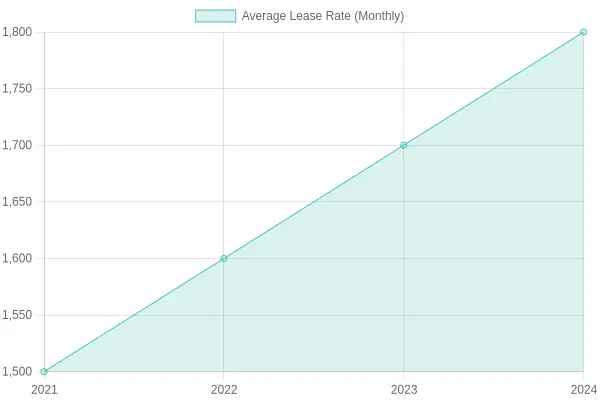
Being aware of these rates can help you negotiate more effectively, ensuring that you’re not overpaying for your lease.
Do Your Research on Leasing Companies
- Compare Offers: Don’t settle for the first offer. Research multiple leasing companies to gauge their offerings. Some companies may provide lower rates or better service.
- Check Reviews: Look for testimonials and reviews to find reputable leasing companies. This can save you time and money in the long run.
Discuss Terms Openly
- Be Clear on Requirements: Outline your business needs clearly; whether it pertains to mileage limits, maintenance agreements, or insurance. The more transparent you are, the smoother the negotiations will be.
- Negotiate Early: Start discussions well before your current lease expires to give yourself time to explore other options.
Utilize Leverage in Negotiations
- Consider Your Fleet Size: If you’re planning to lease multiple trucks, express this to the leasing company. Having a larger fleet may give you leverage for negotiating lower rates.
- Point Out Competitor Offers: If you have a better offer from another company, use it as leverage. It may persuade the leasing company to reduce their rates or provide better terms.
Review the Terms Carefully
- Read the Fine Print: Ensure you understand all terms, including penalties for early termination, mileage limitations, and maintenance responsibilities.
- Seek Professional Help: If the lease seems complex, consider hiring a legal expert or a consultant who specializes in transportation contracts.
Build a Long-Term Relationship
Fostering a positive relationship with the leasing company can lead to better deals in future negotiations. If you prove to be a reliable lessee, they may offer more favorable conditions or rate cuts down the line.
Conclusion
Successfully negotiating a commercial truck lease requires preparation, research, and effective communication. By understanding market rates, knowing your needs, and leveraging competitive offerings, your procurement team can secure a deal that supports your business goals effectively. If you want to learn more about how the current trucking economy is impacting leasing rates, check out this article on trucking economic trends.
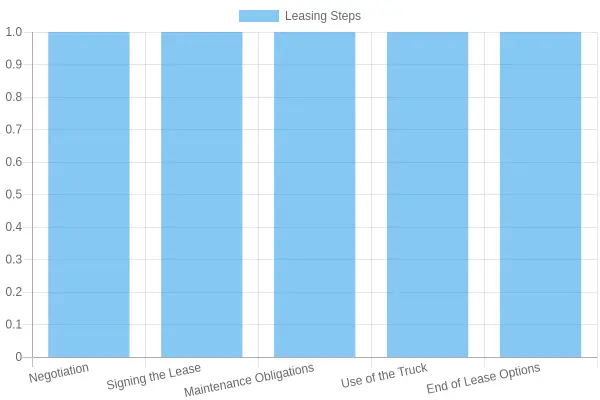
This image illustrates the various steps involved in the commercial truck leasing process, helping logistics and freight company owners easily understand the flow from negotiation to end-of-lease options.
Key Metrics and Trends in Truck Leasing for the Logistics Industry in 2023
Navigating the truck leasing market is crucial for business owners in the logistics sector. Understanding current metrics, average costs, lease terms, and growth estimates can help companies make informed decisions. Here are the current insights:
1. Market Overview and Trends
-
The truck leasing industry is poised for significant growth in 2023, spurred by demand for freight transport and logistics services. More companies are leaning towards leasing as a cost management strategy due to rising ownership costs that encompass maintenance and depreciation.
-
Companies in e-commerce and manufacturing sectors are particularly reinforcing this trend, given the critical role of logistics in their operations. Due to increasing costs and market volatility, leasing offers flexibility and efficient resource management.
2. Average Costs and Lease Terms
-
Average Leasing Costs: While specific figures were elusive, analyses suggest leasing costs have risen in alignment with inflation trends. Businesses may face average leasing costs anywhere from $600 to $1,500 per month per truck, depending on various factors including the make and model, lease length, and negotiations.
-
Typical Lease Terms: Lease agreements typically range from 36 to 60 months (3 to 5 years), which can influence the monthly payment structure. Shorter leases are becoming popular, especially among SMEs, because they provide lower initial costs and more flexibility.
3. Projected Growth Rates
-
Analysts project that the truck leasing market will grow at an annual rate of 5-7% due to enhancing technological innovations and a shift towards eco-friendly options. Electric vehicle leases are gaining traction as businesses aim to reduce their carbon footprints.
-
Increased adoption of Fleet Management Systems is also contributing to operational efficiencies in the leasing process, enabling companies to monitor their leasing strategies in real time.
Conclusion
Companies are increasingly adapting their leasing strategies in response to economic pressures and shifts in consumer demand. The truck leasing market’s growth reflects broader trends in logistics, where flexibility, cost management, and sustainability become pillars of effective fleet management.
For detailed insights into how these trends affect market dynamics, consider exploring related articles such as trucking economic trends affecting trailer orders.
Common Pitfalls in Truck Leasing Agreements
When drafting a truck leasing agreement, it is imperative to be meticulous and aware of potential pitfalls that could jeopardize your business operations. Here are some common pitfalls to avoid:
1. Unclear Payment Terms
Ambiguous payment terms can lead to disputes and unexpected financial strain. Ensure that payment amounts, due dates, and acceptable payment methods are clearly defined. If these terms are vague or open to interpretation, you risk incurring additional costs that were not initially budgeted.
2. Hidden Fees
Many leasing agreements are laden with hidden fees that can accumulate over time and inflate the overall cost of leasing a vehicle. Fees for excess mileage, maintenance, and termination can surprisingly escalate costs. Always request a full breakdown of all potential charges and ensure they are explicitly detailed in the agreement to avoid unpleasant surprises.
3. Inadequate Maintenance Clauses
The maintenance clause should clearly outline the responsibilities of both parties regarding vehicle upkeep. A vague maintenance clause can lead to insufficient care or unexpected repair costs. A well-defined clause will specify who is responsible for regular maintenance, what constitutes normal wear and tear, and how repairs are handled throughout the lease period.
4. Mileage Restrictions
Leases commonly come with strict mileage limits. Be cautious, as exceeding these limits can lead to exorbitant charges. It’s advantageous to assess your operational needs against the mileage restrictions set by the lease. Make sure that the allotted mileage aligns with your usage patterns; miscalculating this can lead to additional fees that could have been avoided.
5. End-of-Lease Conditions
Allocating specific terms for the end of the lease is critical. Some leases include fees for repairs or even neglect to specify what is considered acceptable wear and tear. Not understanding these terms might result in significant end-of-lease charges. It is vital that you comprehend the conditions under which the vehicle needs to be returned to avoid unpleasant financial repercussions.
Conclusion
Navigating a truck leasing agreement can be fraught with challenges. Yet, by recognizing and avoiding these pitfalls, you can secure an agreement that not only meets your logistical needs but also upholds your financial well-being. Always consult legal or financial experts when drafting an agreement to mitigate the risks associated with these common pitfalls. For more insights, learn more about the importance of sound contract terms.
By approaching these agreements with a clear understanding and foresight, you can ensure both a smooth operation and a healthy bottom line for your business.
“Well-crafted lease agreements are fundamental to minimizing disputes and clarifying responsibilities in the leasing of commercial vehicles. They protect the interests of all parties and ensure that terms and conditions are clearly defined.”
- The Nissen Group
This quote underscores the critical nature of thorough attention to detail when drafting lease agreements, particularly in the context of commercial trucking, which is essential for protecting the interests of logistics and freight companies, construction and mining enterprises, as well as small business owners managing delivery fleets.
For further insights into the implications of lease agreements, you might want to explore the topic of lease agreements and compliance.
Conclusion
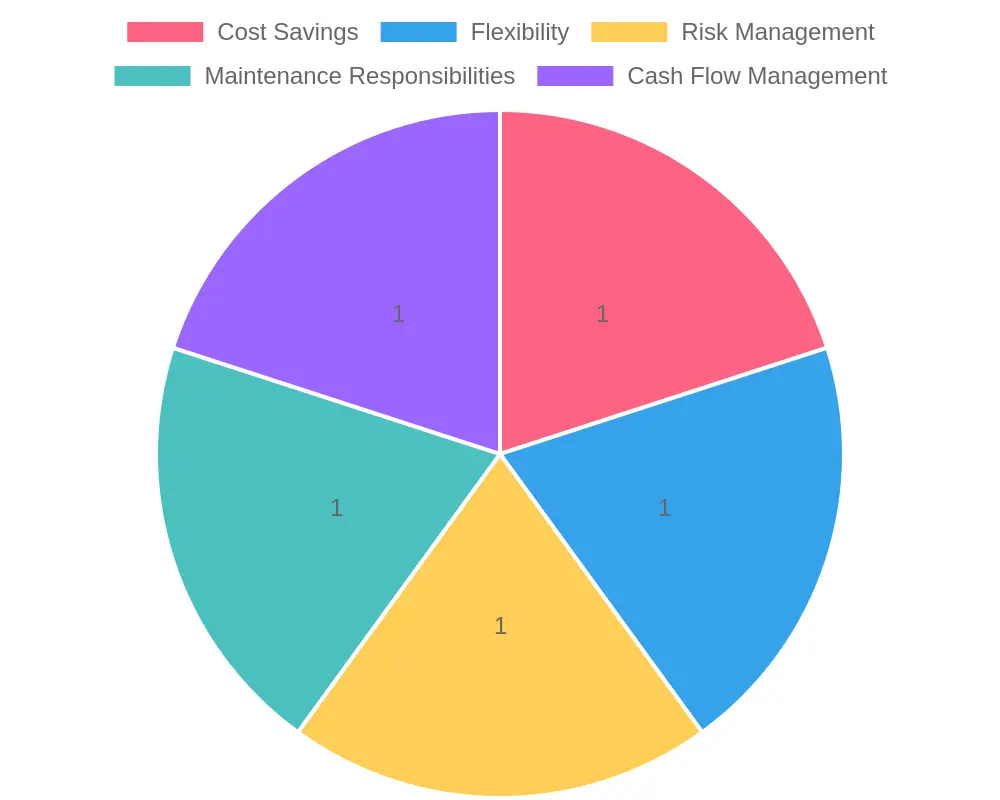
In conclusion, a well-crafted lease agreement for commercial trucks is not merely a contractual obligation; it serves as a strategic tool that can significantly benefit logistics and freight company owners, construction and mining procurement teams, and small business delivery fleets. Throughout this article, we explored several key advantages of having a smartly structured lease agreement:
-
Cost Savings: By opting for leasing, businesses can significantly reduce their upfront capital requirements, allowing for lower monthly payments compared to purchasing trucks outright. This enables better allocation of financial resources, enhancing overall cash flow management.
-
Flexibility: Lease agreements allow for various term options that can be tailored to meet specific business needs, reducing the burden of long-term commitments. This flexibility makes it easier for businesses to scale operations up or down based on demand.
-
Risk Management: Leasing transfers many risks associated with asset ownership, including depreciation and maintenance responsibilities. Well-defined lease terms provide clarity on liability issues, ensuring that companies are protected during unforeseen circumstances.
-
Maintenance Responsibilities: A robust lease agreement often includes maintenance provisions, minimizing unexpected repair costs and ensuring that trucks are kept in optimal condition. This maintenance guarantee adds another layer of financial predictability.
-
Cash Flow Management: Leasing helps to improve cash flow, enabling companies to spread their truck acquisition costs over an extended period rather than facing a substantial one-time expense. This financial strategy allows for reinvestment into other critical areas of the business.
Given these benefits, it is imperative for businesses to carefully consider their lease options and prioritize crafting agreements that align with their operational goals. By taking the tips provided throughout this article into account, prospective lessees can navigate the complexities of leasing agreements more effectively and secure better terms.
To further understand the importance of lease agreements in the trucking industry and how they can positively impact your business, feel free to explore additional resources such as understanding truck leasing agreements or commercial truck leasing benefits. Take action today and elevate your business’s leasing strategies!