
In today’s competitive landscape, insuring commercial trucks is not merely a regulatory obligation; it is a critical element for success within logistics and construction industries. As businesses expand their fleets to meet demand, understanding the essentials of commercial vehicle insurance becomes paramount. Adequate coverage ensures that your operations run smoothly without the looming risk of financial loss from accidents or liability claims. Truck insurance basics encompass various coverage types, tailored specifically to the unique challenges faced by transporters, including cargo coverage, liability protection, and physical damage insurance.
Moreover, as issues like rising freight costs and regulatory changes create pressures on profit margins, being well-informed about insurance options can significantly impact your bottom line. For logistics and freight company owners, the safety and reliability of their fleets directly influence customer satisfaction and operational efficiency. Similarly, procurement teams in construction and mining must consider the risks associated with transporting heavy equipment and materials over challenging terrains. Understanding these complexities encourages thorough risk management, thereby fortifying your business against unexpected challenges and liabilities.
By delving into the ins and outs of truck insurance, stakeholders can make informed decisions, ensuring not just compliance but also strategic advantage in a dynamic market environment. This guide will equip you with critical insights into how to expertly navigate the landscape of truck insurance for your commercial fleet.
Common Risks Associated with Uninsured Commercial Trucks
-
Financial Exposure: Companies operating uninsured trucks are solely liable for any damages or injuries incurred in accidents. This can lead to overwhelming out-of-pocket costs, including medical expenses and property damage.
-
Legal Liability: Without insurance, logistics and construction companies risk being held jointly liable for accidents involving their trucks. Liability claims can result in costly lawsuits that drain financial resources and divert attention from core business operations.
-
Regulatory Penalties: Uninsured vehicles face fines and penalties from regulatory bodies, which can exceed $10,000 per violation. State and federal authorities may also seize vehicles and suspend operating permits, severely impacting business operations.
-
Increased Workplace Liability: Injuries sustained by drivers or workers due to uninsured vehicles can lead to civil suits, increasing workplace liability and burdens on the workforce.
-
Reputation Damage: Being associated with uninsured operations can tarnish a company’s reputation, resulting in a loss of client trust and difficulties in securing contracts. Furthermore, obtaining future insurance can become problematic as insurers may label such companies as high-risk due to their uninsured history.
For more insights on the risks of uninsured trucking operations, learn more here.
The Importance of Commercial Truck Insurance
For business owners in the logistics and construction sectors, commercial truck insurance is not just an option; it is a necessity that plays a critical role in safeguarding their assets and mitigating liabilities. The transportation of goods and services typically involves significant operational risks, including accidents, cargo theft, property damage, and third-party liabilities. Without adequate insurance coverage, these risks can lead to financial devastation, lawsuits, and even the shutdown of a business.
Financial Protection Against High Risks
The logistics and construction industries are fraught with potential hazards. Each time a vehicle is on the road, the risk for accidents increases dramatically. For instance, a single accident involving a freight truck can incur damages amounting to hundreds of thousands of dollars. This includes not just vehicle repair costs but also medical expenses for injured parties, legal fees, and potentially much more. Commercial truck insurance provides essential financial protection against these unforeseen events, allowing business owners to operate with greater peace of mind.
Compliance and Regulatory Requirements
In addition to protecting assets, commercial truck insurance helps ensure compliance with regulatory requirements. Businesses need to adhere to minimum insurance coverage levels mandated at both state and federal levels, including liability insurance, physical damage coverage (comprehensive and collision), and cargo insurance. Without proper insurance, owners risk personal liability and reputational damage while jeopardizing their ability to secure contracts and business partnerships. For additional insights on how regulation affects trucking, check out our article on regulatory issues impacting trucking.
Peace of Mind for Business Owners
The peace of mind that comes from having robust commercial truck insurance is invaluable. Business owners can focus on their operations, knowing they are protected from catastrophic financial consequences that could arise from accidents or liability claims. The tranquility that comes from being adequately insured allows them to invest in growth, enhance productivity, and serve their clients better without the looming fear of bankruptcy.
Conclusion
For logistics and construction businesses, the critical role that commercial truck insurance plays cannot be overstated. It offers comprehensive protection against high operational risks while ensuring compliance with regulatory standards. Ultimately, having the right coverage allows business owners to focus on their core functions and secure the future of their operations. For further information on optimizing your freight operations, learn more here.
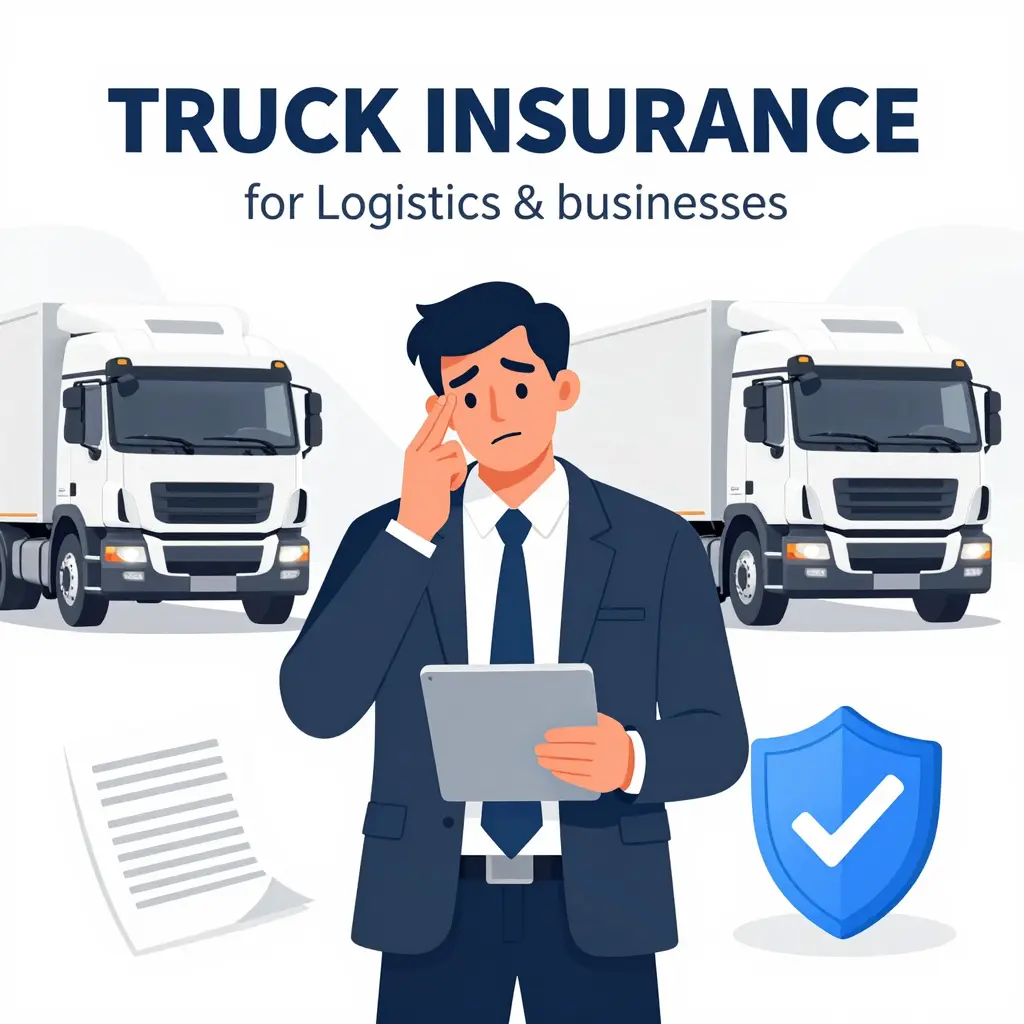
An illustration depicting the importance of commercial truck insurance for business owners in logistics and construction.
| Policy Type | Coverage Limits | Annual Premium Costs | Eligibility Requirements |
|---|---|---|---|
| Liability Insurance | $1M to $5M | $1,800 to $10,000+ | Valid CDL, proof of prior experience, company registration |
| Physical Damage Insurance | Covers repairs/replacement | $2,500 to $7,500 | Valid CDL, USDOT number, must maintain safety records |
| Cargo Insurance | Up to $100,000+ | $2,000 to $8,000 | Valid CDL, covers specific cargo types, depends on vehicle weight and usage |
Key Coverage Types for Commercial Truck Insurance
When managing a logistics or freight-based business, understanding the types of commercial truck insurance coverage available is essential. Ensuring that your trucks and cargo are adequately protected not only mitigates risks but is also a critical component of maintaining operational continuity and financial stability. Here’s a detailed overview of the various types of coverage available, including definitions and examples:
1. Primary Liability Insurance
This is mandatory insurance for commercial trucks, covering damages or injuries sustained by third parties during an accident involving your truck. It protects against claims related to bodily injury and property damage.
Example: If your truck collides with a pedestrian, this insurance will cover the pedestrian’s medical bills and any property damage claims. Typical costs can be around $9,850 annually for a $1 million liability limit.
2. Motor Truck Cargo Insurance (MTCC)
MTCC is designed to protect the goods being transported against loss or damage during transit. While not mandatory, it is often required by shippers and included in freight contracts.
Example: If a shipment of electronics is damaged in a traffic accident, the cargo insurance will cover the losses up to the insured amount (e.g., $100,000 per shipment). Costs might be around $3,420 per year for the same limit.
3. Physical Damage Insurance
This insurance covers the physical repairs or replacement of your truck and trailer in case of accidents, theft, fire, vandalism, or natural disasters. While it is not federally mandated, many lenders often require it.
Example: After a hailstorm causes significant damage to your truck’s cab, physical damage insurance will cover the repair costs, which can be in the range of $8,200 to $14,500 annually depending on the vehicle’s value.
4. Additional Coverage Types
- Collision Insurance: This covers damages to your truck from collisions with other vehicles or objects (e.g., guardrails).
Example: If your truck hits a barrier, this insurance pays for the repair costs. - Comprehensive Insurance: Protects against non-collision incidents like theft, vandalism, or damage from natural disasters.
Example: Your truck is stolen or vandalized; comprehensive insurance will cover these losses. - Non-Trucking Liability Coverage: This offers protection when the truck is not under dispatched freight contract.
Example: If you are involved in an accident while using the truck for personal errands, this insurance helps cover liabilities. - Trailer Interchange Insurance: This provides coverage for damage to or loss of trailers borrowed from other parties while under your care.
Example: If a rented trailer is damaged in an accident, this insurance compensates for those costs.
Summary and Costs
A breakdown of common coverage costs for commercial truck insurance shows that understanding and selecting the right types of insurance can significantly impact your operational capabilities. Below is a comparative chart highlighting the costs involved in the various coverage types:
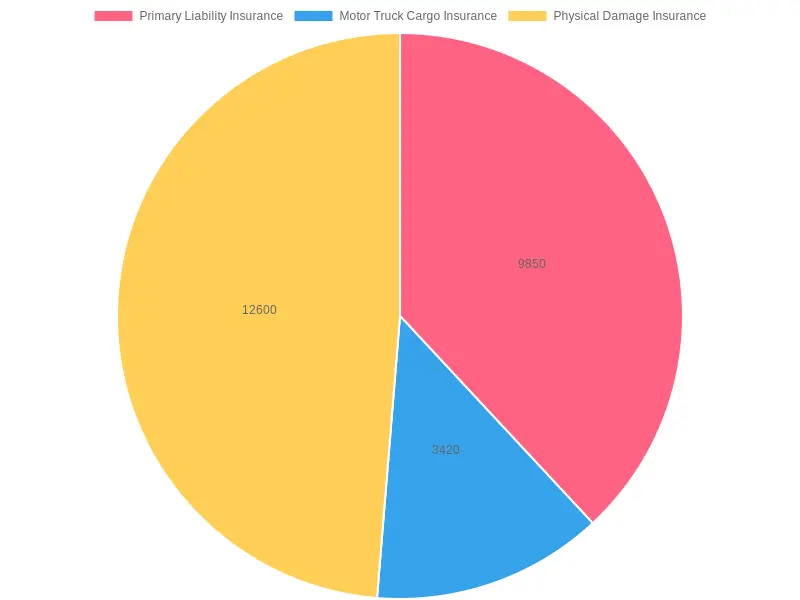
In conclusion, comprehensively evaluating your insurance needs based on your operational requirements and goods transported can lead to better coverage outcomes that align with your business objectives. Learn more about insuring your fleet to safeguard against potential liabilities and unforeseen disruptions.
Current Statistics on Commercial Truck Insurance Claims
Understanding the financial impact of commercial truck insurance is critical for logistics, freight company owners, and small business owners with delivery fleets. Recent statistics highlight the stark contrast between insured and uninsured commercial trucks regarding claims and financial implications.
Claim Frequency and Costs
According to a 2023 report by the Insurance Information Institute, the average cost of claims for insured commercial trucks is approximately $48,700 per incident, leading to total industry claims exceeding $19 billion annually. Insured trucks filed claims at a rate of 1.8 claims per 100 vehicles per year. In stark contrast, uninsured trucks faced a significantly higher claim frequency, averaging over 6.5 claims per 100 vehicles per year. This difference underscores the importance of having reliable insurance coverage.
Furthermore, the American Trucking Associations (ATA) reported that insured commercial fleets enjoyed a 42% reduction in total incident-related costs compared to their uninsured counterparts. Specifically, insured operators incurred approximately 2.1 claims per 100 trucks annually versus over 7.3 claims for uninsured operators. Uninsured truckers are at a severe financial risk, with an astonishing 94% higher chance of bankruptcy following a single major accident.
Financial Implications of Not Having Insurance
Businesses without commercial truck insurance are exposed to substantial risks, with potential liabilities often exceeding $1 million per accident. These costs can encompass legal fees, property damage, and bodily injury claims. Additionally, **uninsured drivers face fines averaging *$5,000* per violation and immediate vehicle impoundment.
Conclusion
The data effectively demonstrates that obtaining commercial truck insurance is not merely a regulatory requirement but a critical financial safeguard that can significantly reduce claims, operational costs, and the risk of bankruptcy. For companies aiming to sustain their operations in the competitive logistics market, investing in comprehensive truck insurance is sound strategy. To learn more about optimizing fleet operations, consider exploring our insights into trailer orders and truckload margins.
“A strong safety record can significantly lower premiums.”
- The Hartford, Commercial Trucking Insurance Expert
In the commercial trucking industry, insurance is not merely a regulatory requirement; it is a critical component of operational success. As emphasized by experts, maintaining a robust safety record can help in reducing insurance costs, thus contributing positively to a company’s overall financial health. For logistics and freight company owners, understanding insurance requirements is crucial for protecting assets and ensuring compliance.
Elevate Your Ride with Quality Protection and Customization
In the fast-paced world of logistics and commercial transport, protecting your investment is paramount. Truck insurance provides essential benefits that shield your business from unpredictable liabilities. It not only ensures compliance with legal regulations but also covers damages resulting from accidents, protecting your vehicles and cargo. Moreover, comprehensive policies can include roadside assistance and risk management resources, promoting business continuity by minimizing downtime. As highlighted in various sources, truck insurance safeguards your livelihood by offering financial security and peace of mind when navigating on the road (learn more about truck insurance benefits).
But the investment doesn’t stop at insurance. Just as you prioritize protection, consider enhancing the appearance and performance of your motorcycle with custom motorcycle fairings from Summit Fairings. With a focus on bespoke solutions, Summit Fairings offers a range of customization options that allow you to tailor your fairings to echo your style and meet your aesthetic needs. Whether aiming for a sleek look or maximizing durability, their fast delivery and high-quality standards ensure your ride is both striking and well-protected.
Elevate your riding experience today-contact Summit Fairings to transform your motorcycle and make every ride a statement while securing your investment with robust truck insurance.
The Rise in Commercial Truck Insurance Premiums
Understanding the rising trend in commercial truck insurance premiums is crucial for decision-makers in logistics and construction. Over the last five years, there has been a significant increase in insurance costs, driven by various factors that impact fleet operations and financial planning.
Trends in Insurance Premiums
The following table illustrates the average commercial truck insurance premiums over the past five years:
| Year | Average Commercial Truck Insurance Premium (USD) | Key Factors Influencing Premiums |
|---|---|---|
| 2021 | $6,800 | Rising fuel prices, moderate regulatory changes |
| 2022 | $7,150 | Increased claims frequency, early regulatory updates |
| 2023 | $7,400 | Fleet size growth (especially >50 vehicles), rising compliance costs |
| 2024 | $7,750 | 22% growth in large fleets (>50 vehicles), heightened risk assessment |
| 2025 | $8,100 | Regulatory cost increases (26% of insurers report higher compliance costs) |
Sources:
- Commercial Truck Insurance Market Analysis 2026
- Commercial Truck Insurance Market Size, Share & Growth By 2035
Why These Trends Matter
For business decision-makers, understanding the trends in insurance premiums is more than just knowledge; it’s a strategy for effective budgeting and operational planning. Here are some key points to consider:
- Cost Management: With increasing premiums, businesses need to allocate budgets accordingly to avoid unexpected financial strain.
- Risk Assessment: Insurance companies are increasingly relying on detailed analytics to determine premiums based on fleet behavior, emphasizing the need for businesses to manage driving practices and vehicle maintenance rigorously.
- Regulatory Compliance: Understanding how regulatory changes can affect premiums allows businesses to be proactive, ensuring compliance to avoid higher costs.
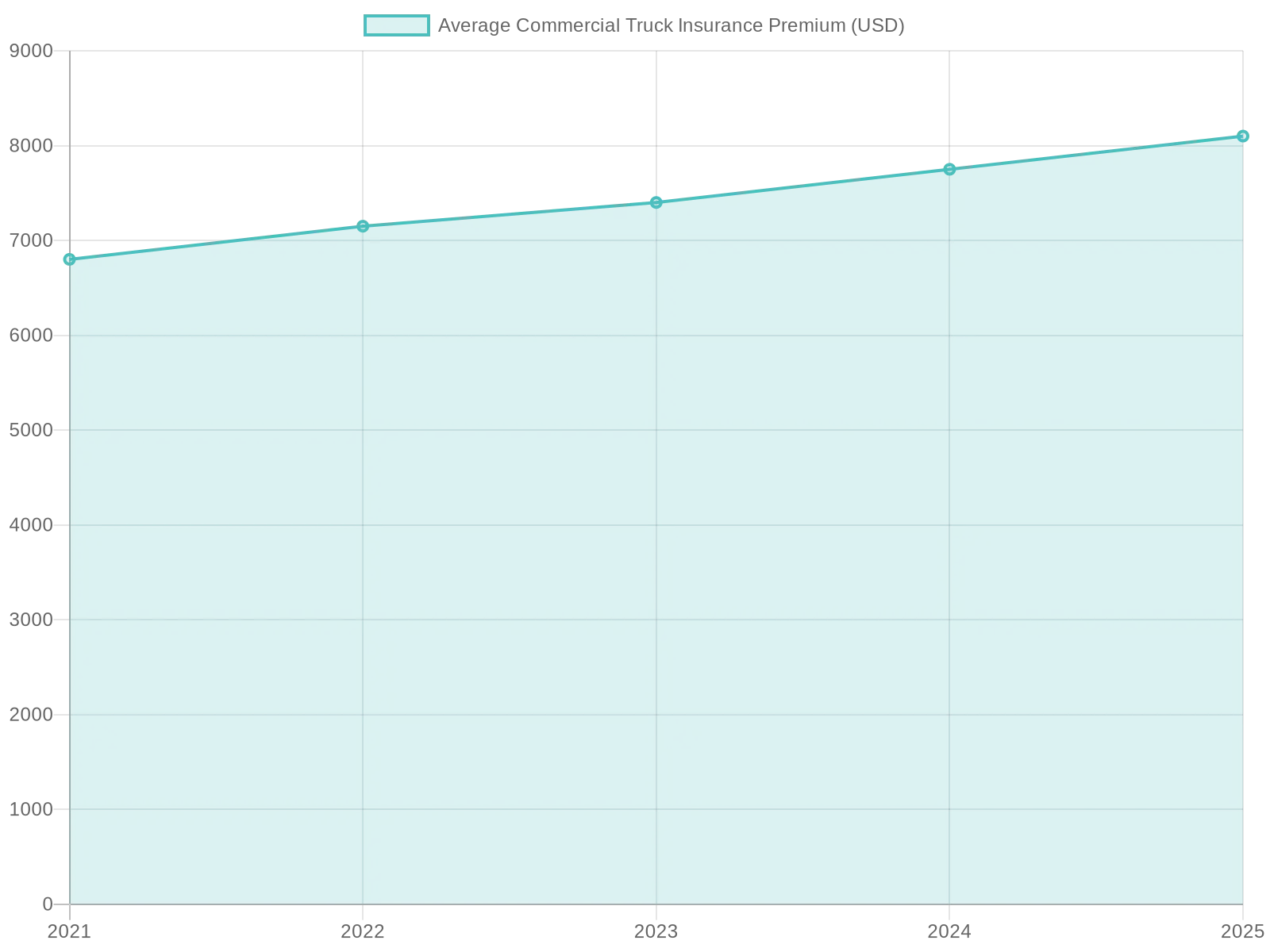
This chart summarizes the average commercial truck insurance premiums over the last five years, highlighting the increasing trend. By recognizing these factors, decision-makers can better navigate the complexities of commercial truck insurance and enhance their operational financial strategies.
To learn more about how market changes impact insurance rates, read more about trucking economic trends.