
Introduction
In today’s rapidly evolving logistics landscape, the integration of electronic logs (e-logs) for commercial trucks has become paramount for enhancing compliance, safety, and operational efficiency. E-logs replace traditional paper-based logbooks, offering real-time data management that helps logistics and freight company owners meet regulatory requirements with greater ease. This technological shift is not merely a compliance necessity; it translates into safer roads and reduced risk for drivers and the public, fostering a more responsible transportation ecosystem. Additionally, e-logs provide valuable operational insights, enabling companies to optimize routes, manage driver schedules more efficiently, and ultimately boost profitability. As the industry grapples with challenges such as fluctuating demand and increasing regulatory scrutiny, the adoption of e-logs represents a critical step toward maintaining competitiveness and achieving sustainable growth. By embracing this innovative tool, logistics companies can not only streamline operations but also enhance their commitment to safety and compliance. To learn more about how such innovations are impacting the trucking landscape, check out our article on trucking economic trends affecting trailer orders.
Benefits of Using E-Logs in Commercial Trucks
The adoption of electronic logs (e-logs) in the trucking industry has become indispensable for companies looking to enhance operational efficiency and compliance. Here are some key benefits of using e-logs:
-
Compliance with Regulations: E-logs simplify compliance with hours-of-service (HOS) regulations. Research shows that fleets using e-logs achieve 98% compliance rates compared to only 76% for those relying on manual logs. E-logs automatically track driving hours and rest periods, reducing the risk of violations and associated penalties, ensuring that drivers are abiding by legal requirements efficiently.
-
Improved Safety: The implementation of e-logs significantly contributes to improved road safety. Statistics indicate that fleets using e-logs experience a 40% lower risk of fatigue-related incidents. By keeping accurate, tamper-resistant records of driving patterns, stakeholders can monitor and intervene when drivers exhibit risky behaviors, such as excessive speeding or sudden braking, thereby mitigating accident risks.
-
Operational Efficiency: E-logs streamline various operational processes, reducing administrative burdens by as much as 50%. Fleet managers can allocate resources more effectively, leading to speedier dispatch times and better route optimization through integrated telematics data. This increased efficiency translates directly into cost savings and higher productivity.
-
Better Tracking of Driver Behavior: Electronic logs provide real-time data on driver behavior and vehicle performance. Fleet managers can identify trends and anomalies-such as rapid acceleration or harsh braking-allowing them to provide targeted training and foster a culture of safety and accountability within their teams. Continuous monitoring facilitates performance assessment and helps in coaching drivers more effectively.
In summary, adopting e-logs not only meets regulatory demands but also enhances safety, promotes operational agility, and positively affects driver accountability. For logistics and freight companies, making the shift to e-logs is crucial for modern operational success. For more information on trends affecting the logistics industry, check out our insights on trucking economic trends and the importance of compliance (learn more).
| E-log System | Features | Pricing | User Ratings |
|---|---|---|---|
| Garmin eLog | FMCSA-compliant, no subscription fee, compatibility with J1939 and J1708 | One-time purchase, $150 | 4.2/5 (Amazon) |
| Samsara | Real-time tracking, driver safety monitoring, maintenance alerts | $50/month per vehicle | 4.5/5 (Samsara) |
| Geotab GO 4 | FMCSA-compliant, strong GPS accuracy, third-party app integration | $199 hardware + $29/month | 4.6/5 (Geotab) |
| KeepTruckin | Automatic log creation, mobile app access, user-friendly interface | $39/month per vehicle | 4.3/5 (KeepTruckin) |
Legal Requirements for E-Logs in Commercial Trucking
The use of Electronic Logging Devices (ELDs) in the commercial trucking industry is governed by regulations set forth by the Federal Motor Carrier Safety Administration (FMCSA). These regulations are crucial for ensuring that drivers maintain compliance with Hours of Service (HOS) regulations, thereby promoting road safety and efficiency in logistics operations.
Overview of FMCSA Regulations
As mandated by FMCSA, most commercial drivers operating in interstate commerce must utilize certified ELDs. Key legal requirements include:
- Device Certification: The ELD must be certified by the manufacturer to meet FMCSA technical specifications.
- Accurate Recording: ELDs must accurately log driving time, ensuring that all data is tamper-proof and reliable.
- Real-Time Logging: The device should automatically record driving status (on-duty, off-duty, etc.) in real-time.
- Data Transmission Capabilities: ELDs must allow for easy transfer of logs to enforcement officials via methods such as USB, Bluetooth, or web-based platforms, enhancing compliance during roadside inspections.
- Data Retention: Drivers and carriers must ensure data retention for a minimum of six months, storing logs securely and making them accessible during audits.
Implementation Strategies for E-Logs in Logistics and Freight Companies
Implementing electronic logs (e-logs) requires a thoughtful strategy to ensure a smooth transition and effective usage. Below is a step-by-step guide tailored for logistics and freight companies aiming to adopt e-logs successfully.
Step 1: Assess Fleet Needs
Before selecting an e-log solution, evaluate the specific needs of your fleet. Consider factors such as:
- Number of vehicles in operation
- Types of cargo transported
- Current operational challenges
- Regulatory compliance requirements
A comprehensive assessment will guide you in choosing the right system that aligns with your operational goals. Learn more about optimizing fleet operations.
Step 2: Select a Compliant ELD Provider
Choose a reliable vendor that provides e-logs compliant with the Federal Motor Carrier Safety Administration (FMCSA) regulations. Ensure the selected provider:
- Offers robust data management capabilities
- Incorporates user-friendly interfaces
- Provides excellent customer service and technical support
Check provider reviews and case studies to gauge their effectiveness in practical settings. For instance, companies like Savage have successfully utilized ELD solutions in line with compliance regulations while establishing user training protocols (Samsung Solutions Transform ELDs for Truckers).
Step 3: Integrate E-Logs with Existing Processes
Your e-log system should seamlessly integrate with other logistics operations, enhancing overall efficiency. Consider:
- Data visualization for real-time tracking
- Automation of compliance reporting to reduce manual input errors
- Linking with route optimization tools to ensure timely deliveries
Establishing strong integration will enhance visibility throughout your supply chain and increase operational effectiveness.
Step 4: Train Staff Thoroughly
Training is critical for user adoption of e-logs. Develop a comprehensive training program that includes:
- Hands-on sessions for drivers to familiarize them with the system
- Continuous education to ensure staff is updated on new features or regulations
- Support materials like manuals or video tutorials for reference
Effective training can significantly reduce errors and enhance efficiency in logistics operations. Refer to best practices for ELD training for deeper insights on maximizing value through proper education (ELD Best Practices).
Step 5: Monitor Usage and Optimize
Once e-logs are implemented, it’s essential to monitor their usage actively. Consider the following:
- Regular audits of log data for accuracy and compliance
- Tracking driver behavior to identify training opportunities
- Utilizing data analytics to enhance fleet performance
Implement a clear monitoring process to ensure e-log compliance and operational improvement. Adjust training and processes based on data findings to encourage ongoing optimization of your fleet’s efficiency and safety.
Step 6: Continuously Improve Operational Efficiencies
The transition to e-logs is not a one-time effort. Continually revisit your processes and leverage the data collected to:
- Improve route planning and maintenance scheduling
- Enhance communication with clients regarding shipment statuses
- Adapt to changing regulations and compliance requirements
By embracing e-logs as a long-term operational strategy rather than a fleeting compliance necessity, companies can maintain a competitive edge and ensure sustained growth. As you navigate this transition, remember to keep an eye on customer satisfaction, as transparency can significantly improve relationships and business success.
Implementing e-logs effectively not only addresses regulatory compliance but also presents an opportunity to enhance overall fleet performance, with benefits that ripple throughout your entire logistics operation.
Adoption of e-logs in the Commercial Trucking Industry
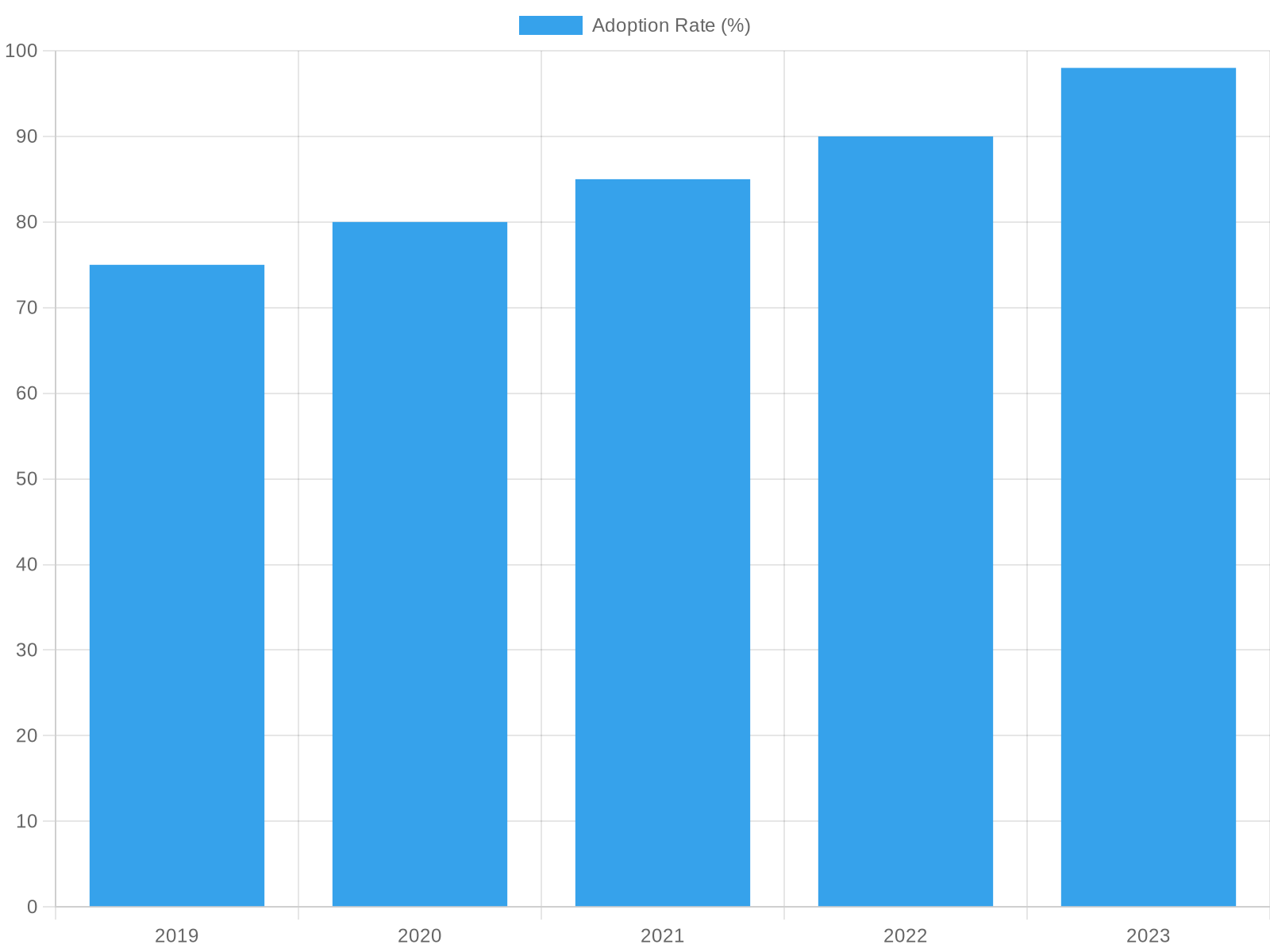
The adoption rates of electronic logging devices (e-logs) in the commercial trucking industry have seen a significant increase over the past five years. The effectiveness of e-logs in ensuring compliance with federal regulations and improving efficiency has led to a rise in their usage across various fleet sizes.
Key Adoption Rates Over the Years:
| Year | Adoption Rate (%) |
|---|---|
| 2019 | 75 |
| 2020 | 80 |
| 2021 | 85 |
| 2022 | 90 |
| 2023 | 98 |
This chart highlights the consistent upward trend in e-log adoption, reflecting the industry’s response to regulatory requirements and the operational benefits offered by e-logs. For more insights on industry trends, you can learn more about trucking economic trends and get insights on compliance impacts.
“E-logs provide an unprecedented level of transparency and accountability in fleet operations. By eliminating manual log errors and providing immediate alerts for potential violations, they empower managers to intervene proactively, thereby fostering a culture of safety and ensuring strict adherence to federal regulations.”
- Dr. Sarah Chen, Transportation Safety Expert, University of Michigan’s Transportation Research Institute
Incorporating electronic logging devices (E-logs) into fleet management not only streamlines compliance but also significantly enhances safety. For more insights into fleet safety compliance, you can learn more about FMCSA standards.
In conclusion, the adoption of electronic logs (e-logs) marks a significant advancement for commercial trucking. E-logs provide numerous benefits, including enhanced compliance with federal regulations, improved driver safety through better monitoring of hours worked, and streamlined operations that can significantly reduce operational costs. By utilizing e-logs, fleet owners can easily track vehicle usage, ensure accurate reporting of miles driven, and enhance accountability among drivers. This technology not only helps in mitigating risks associated with violations but also fosters a more organized and efficient fleet management system, driving productivity and profitability.
As the transportation landscape continues to evolve, integrating comprehensive fleet management solutions becomes vital for success. These systems, bolstered by tools like e-logs, can reduce operational costs, enhance safety, and improve compliance with environmental regulations (learn more about fleet management benefits).
At Summit Fairings, we understand the challenges faced by fleet owners and are committed to providing high-quality solutions tailored to your needs. Our products are designed to improve aerodynamic efficiency and reduce fuel consumption, effectively complementing your transition to e-logs for a more streamlined operation. Visit us today to explore how Summit Fairings can support your fleet’s journey towards greater efficiency and sustainability.
Further Reading on E-Logs and Commercial Trucking Regulations
Here are some valuable resources that provide insights into using electronic logs (e-logs) and understanding commercial trucking regulations:
-
Clearing the Way: Feds issue clarification on new ag trucking rules (FMCSA, 2025-12-17)
This article clarifies the federal electronic logging device (ELD) regulations that go into effect on December 17, 2025, including exemptions for agricultural transportation. -
ELECTRONIC TRUCKER LOGS PUT BRAKES ON FATIGUE, SPEED (ProQuestEBSCO, 2015-09-25)
A study on how ELD regulations aim to combat driver fatigue and speeding, highlighting their impact on road safety. -
ELD强制令:数字时代革新卡车运输和物流业 (FreightAmigo, 2025-06-06)
Discusses the implications of the ELD mandate and its role in enhancing compliance within the trucking industry. -
卡车业迎监管风暴:AI与安全新规倒逼车队加速转型 (赛博兰博, 2026-05-27)
This article covers upcoming regulatory changes in the trucking industry and the pressures on fleets to adapt to new safety standards.
These resources will enhance your understanding of e-logs and the regulatory landscape impacting commercial trucking.