Understanding the operating costs associated with commercial trucks is paramount for logistics and freight companies, construction and mining enterprises, as well as small fleet owners in the delivery sector. In an industry where every dollar counts, the variation in operational efficiency can mean the difference between success and failure. Whether you are managing a small delivery fleet or a large logistics organization, comprehending these costs is crucial for making informed budget considerations. Companies that accurately track and analyze their operating expenses can improve profitability by up to 22%, showcasing the importance of meticulous financial oversight in navigating today’s complex market landscape. As operational costs, including fuel prices, maintenance, and insurance, continue to rise, staying informed about these metrics not only aids in cost control but also enhances strategic decision-making. By understanding the nuances of these expenditures, business owners can better allocate resources, invest wisely, and develop pricing strategies that reflect the true cost of service. Therefore, prioritizing operational efficiency and grasping the intricacies of cost management isn’t just an accounting necessity; it’s a strategic imperative for survival and growth in the competitive truck transport industry. Want to dive deeper? Explore how trailer orders impact your bottom line for further insights.
Detailed Breakdown of Operational Cost Components for Commercial Trucks
Operating a commercial truck involves various costs that can accumulate significantly. Understanding these components helps logistics and freight company owners ascertain where their money goes. Below are the key operational cost components:
1. Maintenance
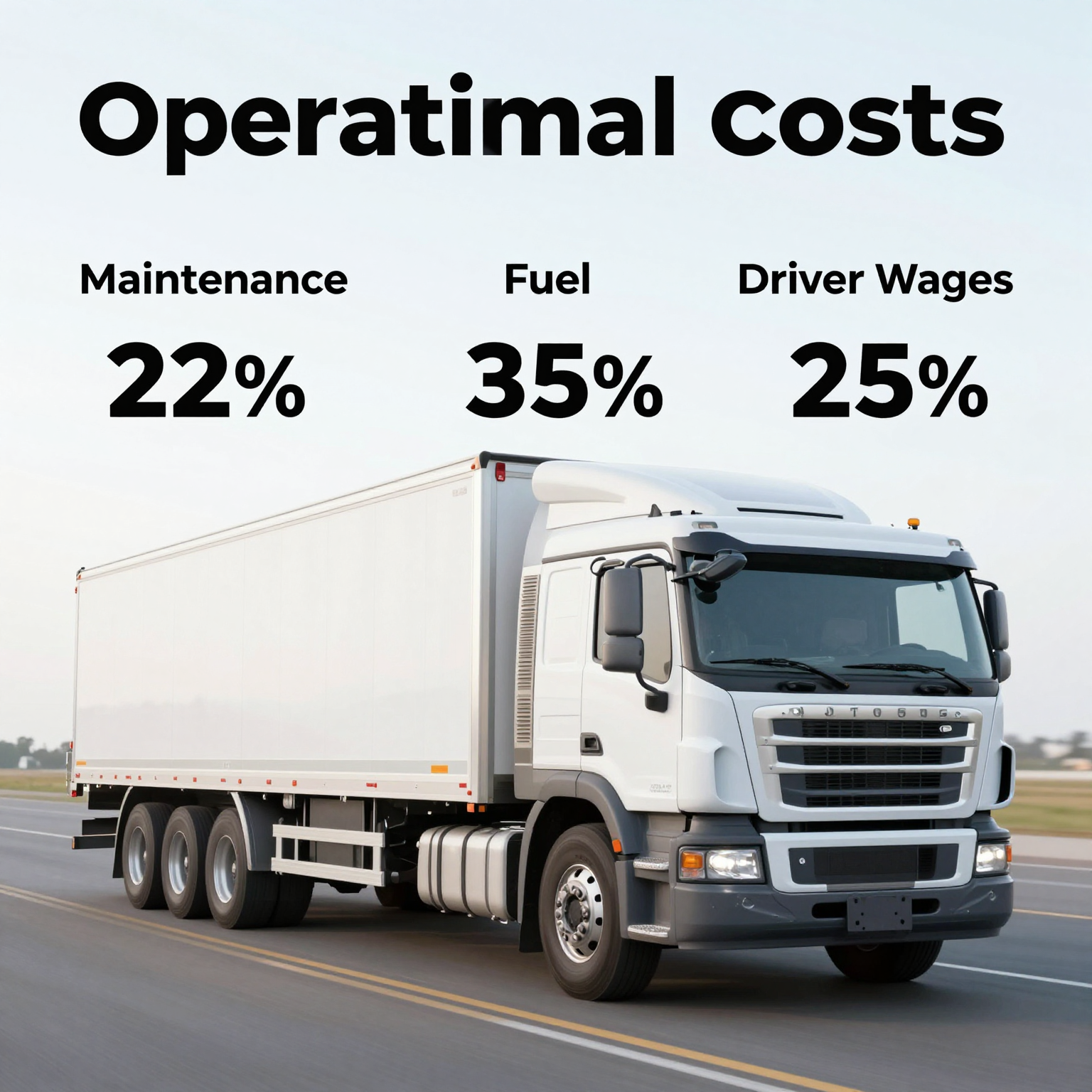
- Percentage of Total Costs: Approximately 22% of operational costs.
- Average Annual Cost: Maintenance can average around $0.375 to $0.500 per mile. Regular maintenance includes oil changes, tire replacements, brake servicing, and other necessary repairs to keep trucks roadworthy. Frequent inspections and timely repairs help prevent more significant breakdowns.
2. Fuel
- Percentage of Total Costs: Fuel accounts for about 35% of overall operational costs.
- Average Cost: As of 2023, the average fuel cost is approximately $1.85 per mile, considering an average diesel price of $3.75 per gallon. Fuel efficiency varies depending on the truck model and cargo load, but with the average heavy-duty truck achieving about 6.5 miles per gallon, managing fuel costs is crucial for maintaining profitability.
3. Insurance
- Percentage of Total Costs: Insurance makes up roughly 18% of total costs.
- Average Annual Cost: The average annual insurance cost for commercial trucks ranges between $6,000 to $10,000, translating to around $7,500 on average. Several factors affect insurance rates, including the type of cargo, driving history, and mileage. Trucks carrying hazardous materials typically incur higher premiums due to increased risks involved.
Learn more about trucking insurance costs.
4. Driver Wages
- Percentage of Total Costs: Wages for drivers contribute to about 25% of operational costs.
- Average Annual Cost: The average wage for a commercial truck driver is about $55,000 to $80,000 per year or around $0.50 per mile. Paying competitive wages is essential for retaining qualified drivers in an industry known for high turnover rates. Explore driver wages trends.
Summary
Understanding these costs lays the groundwork for effective budgeting and cost control within trucking businesses. By addressing each component strategically, owners can improve profitability and maintain operational efficiency.
Comparative Cost Table for Commercial Trucks
Understanding the operational costs of commercial trucks is essential for logistics and freight company owners, construction and mining enterprises, and small business owners with delivery fleets. Below is a comparative table that outlines the typical annual cost ranges for various operational components-fuel, maintenance, and insurance-across different types of commercial trucks: light duty and heavy duty.
| Component | Light Duty (Class 2-4) | Heavy Duty (Class 5-8) |
|---|---|---|
| Fuel | $12,000 – $18,000 | $25,000 – $35,000 |
| Maintenance | $6,000 – $9,000 | $12,000 – $18,000 |
| Insurance | $4,000 – $7,000 | $8,000 – $12,000 |
Factors Affecting Costs
- Usage: The more the truck is used, the higher the fuel and maintenance costs.
- Location: Regional fuel prices and local insurance rates can significantly vary.
- Vehicle Type: Heavy-duty trucks incur higher costs because of their complex systems and greater wear and tear.
For more detailed insights into how trailer purchases and operational strategies impact truck costs, you can learn more about trailer orders impact on truckload margins. Additionally, understanding market trends can aid in budgeting for these expenses; for more information, check this link on trucking economic trends affecting trailer orders.
Fuel Costs Analysis
Fuel expenditures represent a significant operating cost in the commercial transportation sector, impacting overall profit margins and operational budgeting. In 2023, the average cost of operating a commercial truck surged to approximately $2.25 per mile, a reflection of escalating fuel prices and increased fuel consumption due to heightened economic activity and supply chain dynamics.
Fuel Price Fluctuations
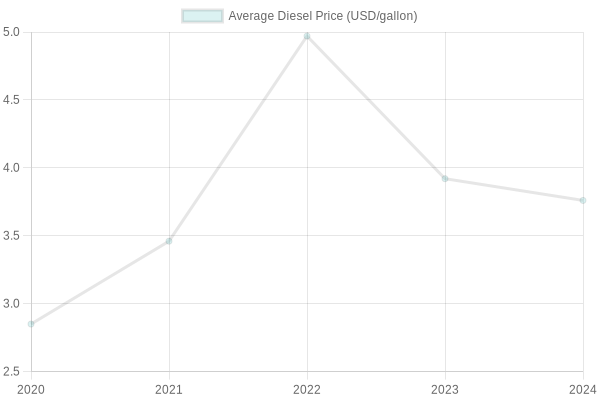
The volatility of fuel prices presents ongoing challenges for logistics and freight companies. Fuel prices are influenced by various factors, including geopolitical events, supply chain disruptions, and changes in demand. For instance, in 2022, global supply constraints caused diesel prices to soar, reaching an average of $4.97 per gallon. In contrast, prices settled at around $3.92 per gallon in 2023 but remained significantly above pre-pandemic levels.
The chart below illustrates the average diesel fuel prices from 2020 to 2024, highlighting critical events that have shaped these trends:
| Year | Average Diesel Price (USD/gallon) | Key Events / Trends Relevant to Trucking Industry |
|---|---|---|
| 2020 | $2.85 | Initial pandemic-related demand drop led to low prices; supply chain disruptions began affecting freight costs. |
| 2021 | $3.46 | Recovery in demand post-pandemic drove prices up; inflation pressures began impacting logistics costs. |
| 2022 | $4.97 | Sharp spike due to global supply constraints and the Russia-Ukraine war; prices exceeded $5/gallon at times. |
| 2023 | $3.92 | Prices declined from 2022 peak but remained high; continued strain on trucking margins and fuel budgets. |
| 2024 | $3.76 | Slight decrease year-over-year; still above pre-pandemic levels, with ongoing impact on freight and consumer prices. |
Impact on Operational Budgets
The escalation in fuel prices has compelled trucking companies to implement various strategies to mitigate their operational costs. Many have integrated fuel surcharges into their pricing models, optimized routing to enhance fuel efficiency, and invested in more fuel-efficient vehicles. The rise in fuel expenses directly correlates with increased shipping rates, which are often passed on to consumers, thereby complicating budget forecasts. Furthermore, a McKinsey report indicates that a 10% increase in diesel prices can lead to a 5-7% rise in total transportation costs, emphasizing the intertwined nature of fuel costs and overall operational viability.
In conclusion, understanding fuel cost dynamics is crucial for logistics and freight company owners, as it helps in crafting informed financial strategies to navigate the challenges posed by fluctuating fuel prices. Learn more about the impact of fuel costs on the trucking industry here.
Fuel prices are not just numbers on a ledger; they significantly shape the decisions, strategies, and bottom lines of trucking companies today.
Images of Commercial Trucks in Operations
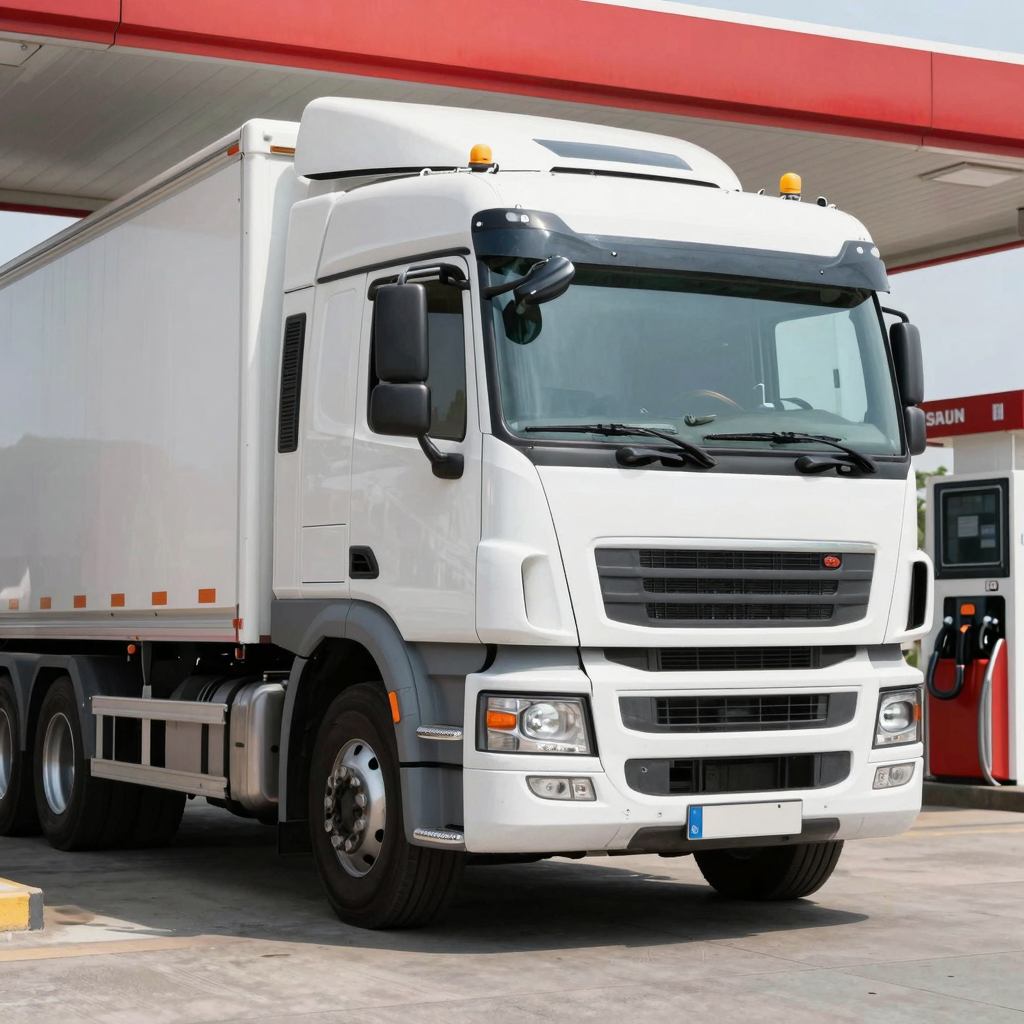
Here are two engaging images depicting commercial trucks in operations:
-
Truck at a Fueling Station
-
Truck Maintenance

These images illustrate the operational aspects of a commercial truck and underscore the professionalism in the industry.
Maintenance Costs and Strategies for Commercial Truck Fleets
Operating a commercial truck fleet involves significant maintenance costs that can impact overall operational efficiency. According to recent reports, the average annual maintenance cost per vehicle has risen to around $14,800, marking a 7% increase from 2022. Costs may vary depending on the truck class; for instance, Class 8 trucks see average costs reaching approximately $16,200, whereas newer trucks (typically less than three years old) can be maintained for about $11,500 annually. In stark contrast, older trucks (more than eight years old) may incur expenses exceeding $20,000 annually.
Key Drivers for Rising Maintenance Costs
- Increased Parts Prices: A 12% hike in parts prices contributes significantly to the overall costs.
- Labor Rates: Labor costs have increased by approximately 9%.
- Frequent Breakdowns: Aging vehicle fleets lead to more frequent breakdowns, compounding maintenance costs.
Preventative Maintenance Practices
Implementing efficient maintenance strategies is vital for reducing operational costs. Here are essential preventative maintenance practices:
- Scheduled Maintenance: Regular oil changes, brake checks, fluid level monitoring (coolant, transmission, brake fluid), and inspections of tires, belts, hoses, and lights.
- Telematics Systems: Using telematics to track vehicle health in real time can drastically improve maintenance decisions, ensuring that interventions occur before serious issues arise. This technology has led to a 15-20% reduction in unplanned downtime and average savings of $2,100 per truck annually.
- Driver Training: Encouraging drivers to conduct pre- and post-trip inspections empowers them to report issues early, which can mitigate more expensive repairs later.
Long-term Benefits of Preventative Maintenance
Investing in preventative maintenance strategies yields substantial long-term benefits:
- Reduces unscheduled downtime by up to 40%, enhancing fleet availability.
- Lowers long-term repair costs by approximately 25% through proactive measures.
- Increases vehicle safety and reliability, which in turn helps build trust with clients and stakeholders.
In conclusion, while maintenance costs for commercial trucks are on the rise, effective maintenance strategies, particularly focusing on preventative approaches and telematics integration, can significantly mitigate these expenses and enhance operational efficiency. For logistics and freight company owners, construction and mining procurement teams, and small business owners with delivery fleets, the shift towards predictive maintenance is not merely an option; it is becoming a necessity to stay competitive in this evolving industry.
| Category | Average Annual Maintenance Cost |
|---|---|
| Overall (all commercial trucks) | $14,800 |
| Class 8 Trucks | $16,200 |
| Newer Trucks (typically <5 years old) | $11,500 |
| Older Trucks (typically >5 years old) | $20,000 |
Key Benefits of Predictive Maintenance:
- 15-20% reduction in unplanned downtime
- $2,100 average savings per truck annually
- 40% reduction in unscheduled downtime
Source: Fleet Owner Magazine, American Transportation Research Institute
User Feedback on Commercial Truck Operational Costs
The operational costs of commercial trucks have come under scrutiny in recent industry reports and surveys, revealing crucial insights from logistics companies and small business owners. Understanding these costs is essential for maintaining efficiency and competitiveness in the logistics sector.
Overview of Operational Costs
According to the 2023 Trucking Industry Report published by the American Trucking Associations, a comprehensive survey including more than 500 freight companies indicated that fuel and driver pay constitute significant portions of operational expenses. Here’s a breakdown:
- Fuel Costs: Represent approximately 40% of total operating costs, affected heavily by global oil prices and geopolitical tensions, which have caused volatility in 2024.
- Driver Pay: Accounts for about 29% of costs. The ongoing driver shortage, with an estimated 160,000 vacancies in the U.S., has led to wage inflation and high turnover rates, further complicating fleet management.
- Maintenance Costs: Make up 14% of total expenses, exacerbated by aging fleets and increased reliance on advanced electronic components.
- Insurance Costs: Have risen by 12% due to higher claims from accidents.
This data is summarized in the following table:
| Category | Cost Per Mile (USD) | Percentage of Total Operating Cost |
|---|---|---|
| Fuel | $1.08 | 40% |
| Driver Pay | $0.79 | 29% |
| Maintenance | $0.39 | 14% |
| Insurance | $0.25 | 9% |
| Depreciation & Financing | $0.14 | 5% |
| Administrative & Other | $0.07 | 3% |
Source: American Transportation Research Institute (ATRI)
Perspectives from Logistics Companies
Feedback collected from a variety of logistics companies reveals how these rising costs impact operational decisions:
- Fuel Price Fluctuations: A report from the American Trucking Associations highlights that nearly 89% of respondents cited fuel price volatility as a severe budget impact.
- Driver Recruitment and Retention: 83% are facing challenges with driver recruitment and retention, adding financial pressures to their operations.
- Cost Management Strategies: Many logistics providers are turning to digital platforms for fleet management, with reports indicating that those adopting technology have managed to reduce their operating costs by 12% compared to their less tech-savvy counterparts.
Concerns of Small Business Owners
Small business owners, particularly those managing delivery fleets, express their struggles amplifying the challenges presented by escalating operational costs. As reported in Supply Chain Dive, many small companies reported facing a “survival crisis,” unable to pass on costs to customers effectively. Some strategies employed include:
- Route Optimization: To enhance efficiency and reduce fuel expenses.
- Long-Term Contracts: Securing more stable shipping agreements to mitigate pricing unpredictability.
Moreover, an article from The Wall Street Journal indicated that labor shortages have forced some small business owners to pay higher wages and bonuses, further inflating their cost structures.
Conclusion
The operational costs within the commercial trucking industry reflect a complex interplay of factors ranging from labor to fuel prices. For logistics companies and small business owners, understanding and managing these expenses is critical for maintaining competitive edge and operational efficacy. For additional insights into how market conditions are influencing trucking costs, consider reading more about trucking economic trends and how to adapt to today’s challenges through technology and strategy.
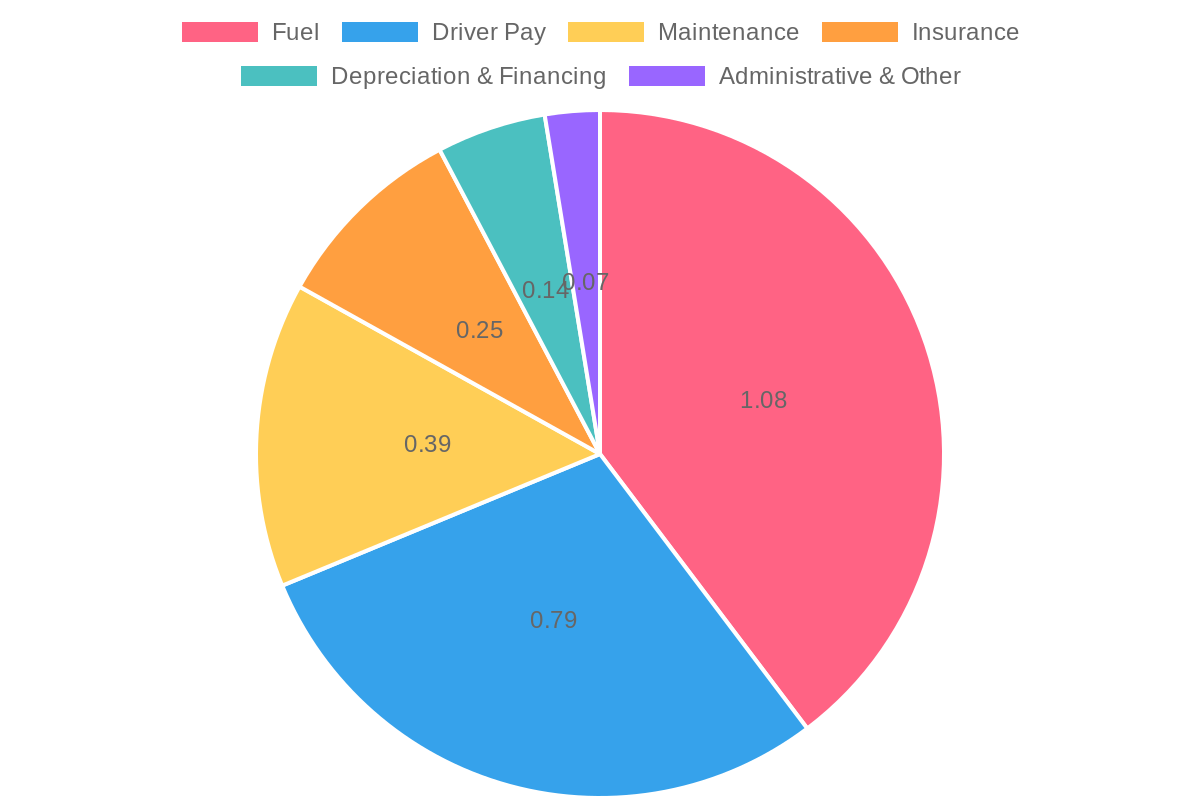
Distribution of Trucking Operational Costs per Mile.
Understanding these trends is imperative for making informed decisions and can significantly help your logistics operation thrive in a competitive landscape.
Rising Operational Costs of Commercial Trucks Over the Past Decade
The operational costs of commercial trucks have been rising significantly over the last decade. A comprehensive analysis reveals the following key increases in various cost components from 2015 to 2025:
| Category | Change Over the Past Decade (2015-2025) | Annual Growth Rate | Source URL |
|---|---|---|---|
| Fuel Prices | +62% | N/A | EIA Report |
| Maintenance Costs | +47% | ~4.7% | BTS Report |
| Insurance Premiums | +78% | N/A | NCCI Report |
| Driver Wages | +50% | ~5.1% | BLS Data |
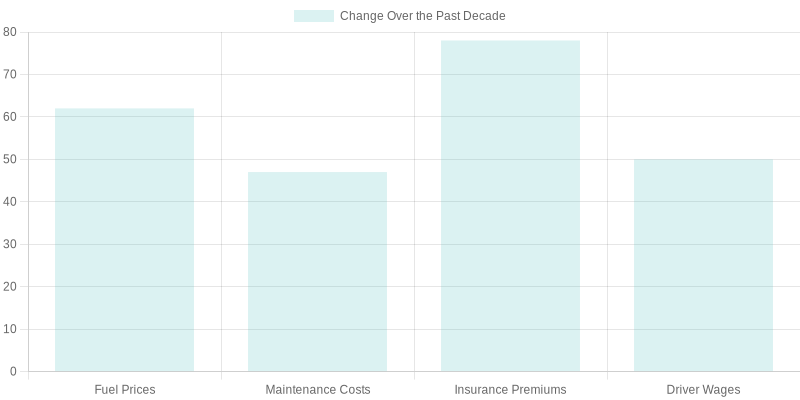
This chart illustrates the percentage increases in operational costs of commercial trucks over the past decade.
Note: Data reflects trends from 2015 to 2025, based on various industry reports and statistics.
Conclusion
In conclusion, understanding the cost of operating a commercial truck is not just an academic exercise; it is essential for logistics and freight companies, as well as enterprises in construction and mining, to make informed financial decisions and ensure sustainability in their operations. As highlighted in 2023, the average operating cost for commercial trucks has risen approximately to $0.80 per mile, encompassing various factors such as fuel, maintenance, insurance, and driver wages. It underscores the significance of careful budget planning. Failure to account for fluctuations in fuel prices and maintenance can turn insights into serious liabilities, making it critical for operators to monitor these costs vigilantly.
Moreover, effective operational efficiency can significantly reduce cumulative expenses. Strategies such as optimizing routes and minimizing empty miles, leveraging real-time data, and implementing preventive maintenance not only help in reducing operational costs but also facilitate superior budget planning. Companies can save thousands by being proactive about their finances and seeking innovative solutions to enhance performance.
Furthermore, for those looking to augment their trucks’ operational efficiency and aesthetic appeal, consider investing in customized high-quality fairings from Summit Fairings that can enhance fuel efficiency and prolong equipment life. Don’t miss out on optimizing your fleet to not only meet regulatory demands but also drive profitability.
In essence, regular reviews and updates to your budget, alongside investing in tailored solutions, will ensure that your fleet runs not only profitably but also sustainably over the long term.
The Financial Reality of Operating a Commercial Truck
Operating a commercial truck involves significant financial commitments that must be carefully managed. A key aspect of understanding these costs is analyzing current statistics that shed light on the industry’s economic landscape.
“According to McKinsey & Company’s 2023 report on the global trucking industry, operational costs rose by an average of 8.7% year-on-year, driven primarily by fuel prices (up 12.3%), labor costs (up 9.1%), and maintenance expenses (up 6.8%). Fuel accounted for approximately 28% of total operational costs in 2023, making it the largest single cost category.” – McKinsey & Company
These statistics emphasize the financial pressures freight companies face and highlight the importance of strategic budget management. For additional insights into the impact of trailer orders on truckload margins, learn more.