
Introduction
In the world of commercial trucking, brakes are not merely mechanical components; they are a pivotal factor in ensuring safety, enhancing efficiency, and reducing operational costs. As logistics company owners and procurement teams in construction and mining navigate the complexities of managing large fleets, understanding the lifespan of brakes becomes essential. The average lifespan of truck brakes varies based on several factors, including usage intensity, weight loads, road conditions, and maintenance practices. With the right knowledge, stakeholders can make informed decisions about brake replacement schedules, ultimately extending vehicle longevity and promoting safer journeys on the road. This attention to brake longevity is critical for minimizing costly downtime and maintaining compliance with safety regulations. For those who prioritize operational effectiveness and safety metrics, an insightful exploration of how long brakes should last on commercial trucks is not just informative; it’s imperative for intelligent fleet management and the bottom line. Learn more about the impact of maintenance on operational efficiency as we delve deeper into this vital subject.
Overview of Brake Types in Commercial Trucks
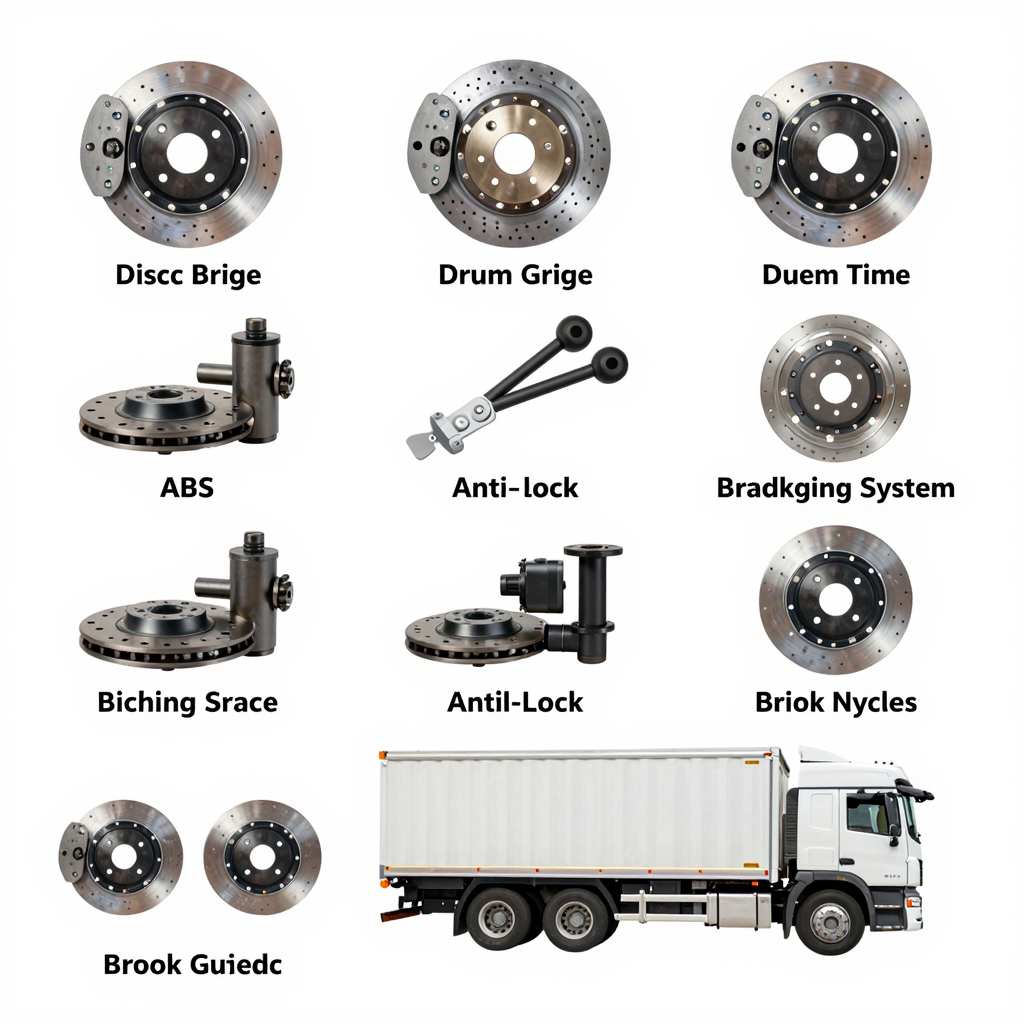
In the realm of commercial trucking, efficient braking systems are critical for safety and performance. Understanding the various brake types-primarily disc brakes and drum brakes-can aid logistics and freight company owners, procurement teams, and small business owners in making informed decisions about vehicle maintenance and safety.
Types of Brakes
- Disc Brakes:
Disc brakes consist of a metal disc, or rotor, that rotates with the wheel, along with attached calipers. When the brake pedal is engaged, hydraulic pressure squeezes brake pads against the rotor, generating friction that slows the vehicle.
- Advantages:
- Superior stopping power and consistent performance even under heavy use.
- Better heat dissipation reduces the chance of brake fade.
- Easier to inspect and service, as the components are more accessible.
- Disadvantages:
- Higher initial costs compared to drum brakes.
- More sensitive to contamination such as dust and water, which can affect performance.
- Typical Usage:
- Frequently used on steer axles and increasingly standard on all axles of modern heavy-duty trucks.
- Drum Brakes:
Drum brakes consist of a cylindrical drum that rotates with the wheel, with brake shoes pressed against the drum’s inner surface when the brakes are applied. This mechanism creates friction to slow down the vehicle.
- Advantages:
- Lower initial costs; simpler and more robust design.
- Proven reliability, particularly in harsh conditions.
- Disadvantages:
- Prone to overheating and brake fade under heavy or sustained loads.
- Longer stopping distances, and more complex adjustments are necessary during maintenance.
- Typical Usage:
- Commonly utilized on trailer axles and older or lower-cost truck models.
Mechanisms and Lifespan
The lifespan of truck brakes generally ranges from 100,000 to 250,000 miles, influenced by factors such as driving habits, load weight, and road conditions. For instance, heavy loads and frequent braking in urban settings can accelerate wear on brake components. The materials in the brake shoes also impact longevity-organic materials may wear faster but are quieter, while semi-metallic and ceramic materials provide better durability and braking performance.
Summary of Disc vs Drum Brakes
The table below compares the essential aspects of disc and drum brakes based on recent industry analysis:
| Feature | Drum Brakes | Disc Brakes |
|---|---|---|
| Braking Performance | Moderate; prone to fade under sustained heavy use. | Superior; better heat dissipation and consistent performance under heavy or repeated braking. |
| Advantages | Lower initial cost; simpler design; proven reliability. | Better stopping power; less brake fade; more effective in wet conditions. |
| Disadvantages | Prone to overheating; longer stopping distances. | Higher cost; more sensitive to contamination. |
| Typical Usage | Common on trailer axles and older models. | Standard on steer axles of modern trucks. |
| Maintenance Needs | Requires frequent adjustment; higher risk of wear. | Less frequent adjustments; easier servicing. |
Understanding the distinctions between drum and disc brakes aids in selecting the appropriate system for your fleet’s operational needs while ensuring safety and performance. learn more about the impact of trailer purchases on truckload margins and the importance of brake systems on commercial vehicle efficiency.
As you manage your vehicle fleet, it is vital to prioritize regular brake system inspections and maintenance, ensuring both safety and operational efficiency in your trucking endeavors.
Factors Affecting Brake Lifespan in Commercial Trucks
Understanding the factors that influence brake lifespan on commercial trucks is vital for logistics, freight, and construction businesses aiming to reduce costs and enhance safety. Here, we analyze these critical aspects in depth:
1. Load Weight
The weight of the load carried by a truck has a substantial impact on braking performance and, consequently, brake lifespan. As the weight increases, the brakes must exert more force to slow down or stop the vehicle. This increase in force leads to greater wear on the braking components:
- Heavy Loads (>10,000 lbs): Studies indicate that heavy loads can shorten brake lifespan by approximately 25% to 40%. The braking system experiences heightened stress due to the need for greater stopping power, which accelerates wear and tear.
- Light Loads (<5,000 lbs): Conversely, lighter loads can extend the lifespan of brake components by up to 20% due to reduced stress on the braking system.
2. Driving Conditions
The environment and terrain in which trucks operate greatly influence brake longevity. Two key driving conditions include:
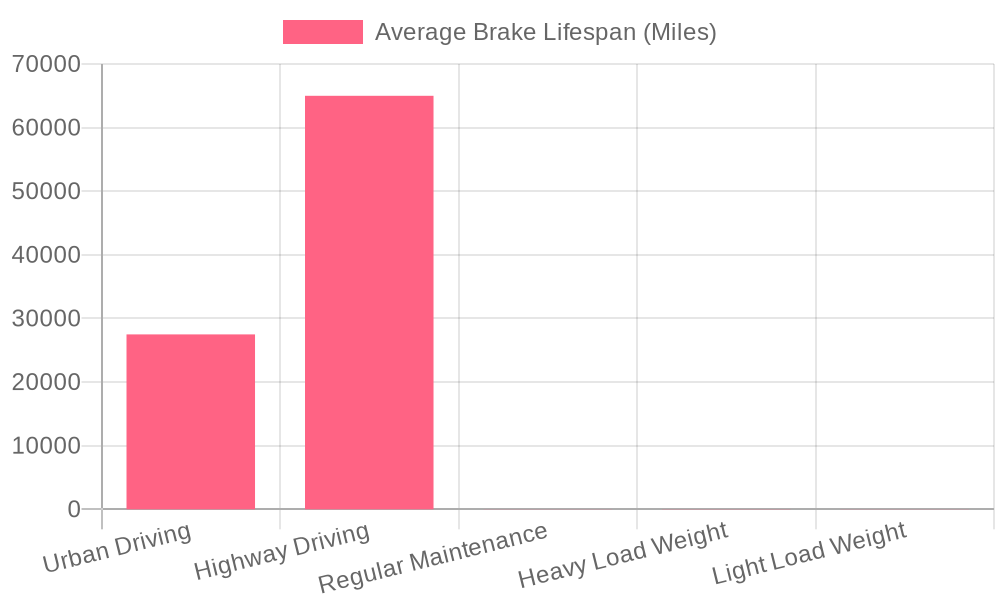
- Urban Driving: Frequent stop-and-go traffic in urban areas can reduce brake lifespan significantly, averaging between 20,000 to 35,000 miles due to increased wear caused by rapid deceleration and immediate speed changes.
- Highway Driving: Highway conditions with sustained speed and fewer stops typically result in a lifespan of 50,000 to 80,000 miles. In these scenarios, the brakes experience less thermal stress, allowing for longer service intervals.
3. Maintenance Practices
Regular and proactive maintenance is essential to prolonging brake life. Factors include:
- Timely Inspections: Regular check-ups and maintenance can extend brake lifespan by 15% to 25%. Inspections should include checking brake fluid levels, examining brake linings, and replacing worn parts.
- Fluid Changes: Brake fluid that absorbs moisture can lower the boiling point, increasing the risk of brake failure. Adhering to scheduled fluid changes every two years or 40,000 miles is crucial for maintaining system integrity.
4. Braking Habits
Driver behavior is a critical factor that affects brake lifespan:
- Aggressive Braking: Sudden stops and hard braking can increase wear significantly. Training drivers in smoother, more anticipative driving techniques can mitigate excessive wear.
- Riding the Brakes: Maintaining pressure on the brake pedal when it is unnecessary generates excessive heat, causing early brake wear. Proper education can help reduce this habit, which is particularly damaging in hilly terrains.
5. Environmental Factors
Finally, environmental conditions such as moisture, dust, and road salt play a significant role:
- Corrosive Elements: Exposure to road treatments like de-icing salts and moisture can lead to rust and degradation of brake components, particularly in northern climates. Effective cleaning and protection can help preserve brakes in these conditions.
Summary
A comprehensive understanding of these factors allows logistics and construction enterprises to implement strategies that enhance brake lifespan, contributing to safety and cost-effectiveness. Regular maintenance, training for drivers, load management, and considering driving conditions all combine to optimize brake system efficiency and longevity.
For a detailed visual representation of how these factors affect brake lifespan, please see the chart below:
Further Reading
- Learn more about effective trailer orders and their impact on truckload margins
- Explore insights into trucking HR and the benefits of employment stabilization
By addressing these factors proactively, trucking companies can enhance operational efficiency and safety while reducing unexpected maintenance costs.
| Brake Type | Average Lifespan (km) | Ideal Operating Conditions | Key Advantages | Limitations |
|---|---|---|---|---|
| Organic Brake Pads | 30,000 – 50,000 km | City driving, light-duty operations, short-haul routes | Quiet operation, low rotor wear, affordable initial cost, low dust production | Poor heat resistance, prone to fade, shorter lifespan under heavy use |
| Semi-Metallic Brake Pads | 70,000 – 120,000 km | Heavy-duty transport, towing, mountainous terrain, frequent braking | Excellent heat dissipation, high durability, good performance in extreme temps | Noisier operation, increased rotor wear, harder pedal feel |
| Ceramic Brake Pads | 100,000 – 180,000 km | Long-distance haulage, intercity freight, high-speed operations | Long lifespan, minimal dust, consistent performance, excellent thermal stability | Higher initial cost, less effective when cold, may be more expensive to replace |
Sources:
- Brake Pads D2020: Key Standards, Physical Properties, and Engineering Applications
- Inside Baiyun Brake Pads: Standards, Properties, and How It Supports Industry Needs
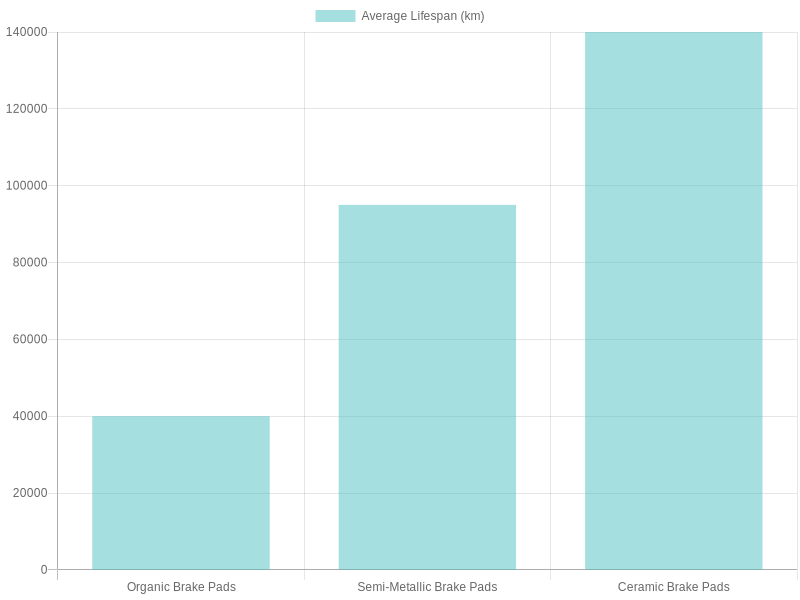
This table and the accompanying chart provide a comprehensive analysis of brake lifespan across various types of commercial trucks. Logistics and freight company owners can use this information to make informed decisions about brake maintenance and replacements, ensuring optimal performance and safety.
Maintenance Best Practices for Extending Brake Lifespan
Maintaining the brakes of commercial trucks is vital for safety, efficiency, and cost-effectiveness in logistics operations. As freight and services depend heavily on the reliability of these vehicles, logistics and procurement teams must prioritize proactive brake maintenance. Implementing effective maintenance practices can significantly extend the lifespan of commercial truck brakes. Here are comprehensive recommendations:
1. Regular Inspections
Conducting thorough inspections is foundational to brake maintenance. Fleet managers should schedule regular check-ups that include:
- Visual Inspections: Check for visible damage, such as cracks in brake pads and rotors.
- Measurement of Brake Components: Ensure proper thickness of pads and rotors; replace them when they fall below manufacturer specifications.
According to FMCSA Guidelines, failure to maintain adequate brake thickness can lead to rapid wear and potential accidents.
2. Proper Brake Adjustment
Improperly adjusted brakes can lead to uneven wear and reduced effectiveness. To ensure optimal braking performance, make sure that:
- Brake Adjustments: Regularly adjust brake settings according to the manufacturer’s recommendations to maintain correct clearance.
- Brake System Calibration: Utilize diagnostic tools to calibrate and monitor brake systems regularly for accuracy.
3. Quality Brake Components
Investing in high-quality brake parts can lead to longer-lasting performance.
- Brake Pads and Rotors: Use parts that meet or exceed OEM specifications. This can prevent premature wear and optimize braking efficiency.
- Avoid Cheap Alternatives: Lower quality components often lack durability and performance, leading to higher replacement costs.
4. Monitor Brake Temperature
Overheating can diminish brake performance and lifespan. Implement measures such as:
- Temperature Monitoring Devices: Equip trucks with systems that audit brake temperatures and alert drivers for overheating.
- Driver Training: Educate drivers on how to avoid excessive braking, especially on long descents, to mitigate overheating effects.
According to TruckersReport, maintaining an optimal brake temperature not only enhances the lifespan of the brakes but also ensures the safety of the vehicle.
5. Proper Driving Techniques
Driver behavior significantly impacts brake wear. Training programs should focus on:
- Smooth Acceleration and Braking: Encourage techniques that prevent sudden stops to reduce wear on brake pads.
- Defensive Driving: Drivers should be trained to anticipate road conditions and adjust their speed accordingly.
6. Tire Maintenance
Brake efficiency is closely linked to tire performance. Ensure that:
- Tire Pressure: Maintain the recommended tire pressure levels to prevent uneven wear and improve braking response.
- Regular Tire Inspections: Check tires for wear patterns that may indicate braking issues, such as uneven tread wear.
7. Service Intervals
Follow the maintenance schedules set forth by manufacturers. A well-defined service interval can help:
- Preventative Maintenance Strategies: Implement a schedule that involves routine inspections and timely replacement of worn-out components, rather than reactive servicing.
- Documentation: Keep detailed records of all brake-related services and inspections to monitor trends in brake wear and maintenance.
Conclusion
By adhering to best practices for brake maintenance, logistics and procurement teams can significantly extend the lifespan of commercial truck brakes, optimize performance, and reduce operational costs. These practices not only enhance safety but also contribute to the overall efficiency of fleet operations. A strong emphasis on preventive measures, coupled with proper training for drivers, can make a substantial difference in brake longevity and vehicle safety.
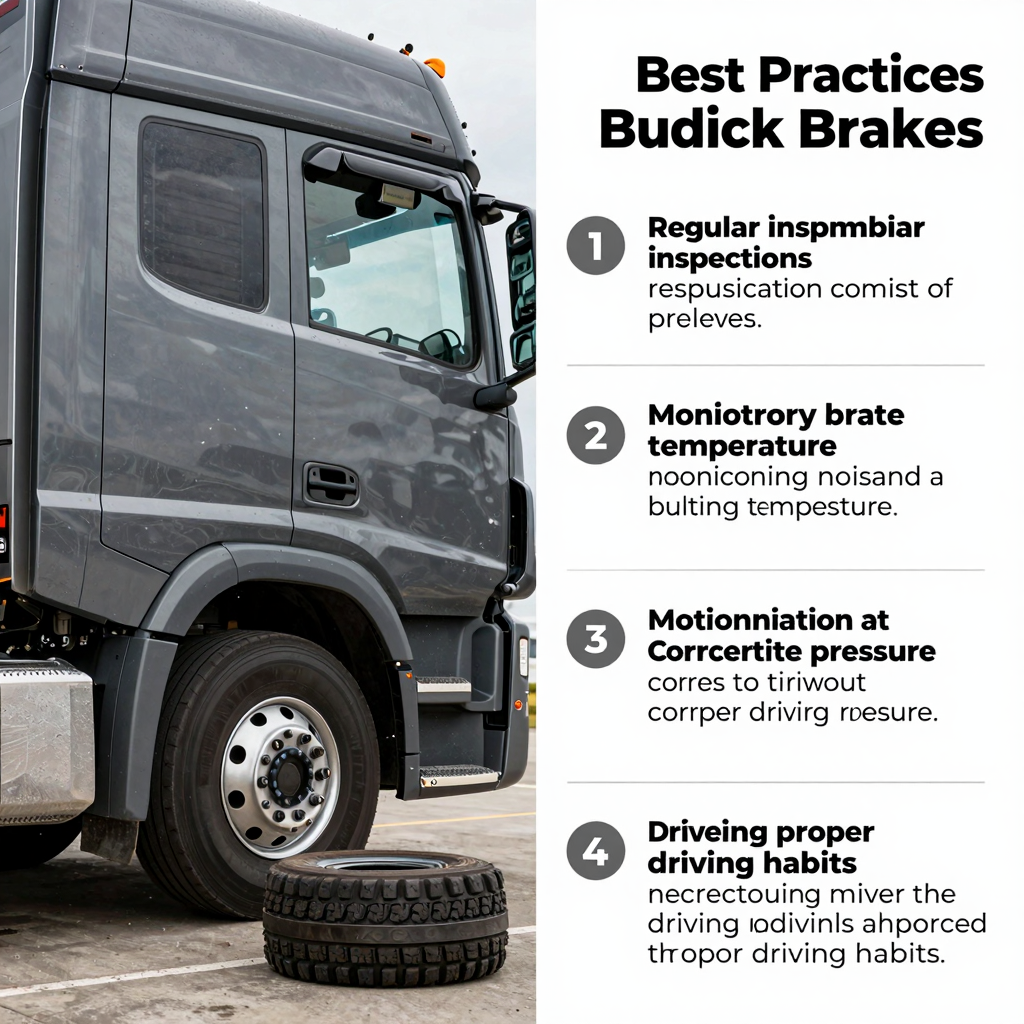
Implementing these best practices can lead to more reliable and cost-effective fleet operations, crucial for maintaining a competitive edge in the logistics sector.
Warning Signs That Indicate Brake Issues in Commercial Vehicles
Understanding the potential warning signs of brake problems is essential for ensuring the safety and efficiency of your commercial vehicle fleet. Regular monitoring can help prevent catastrophic brake failures that can lead to serious accidents and costly repairs. Here is a compiled list of common warning signs that indicate potential brake issues:
- Vibrating Steering Wheel or Brake Pedal: This often indicates warped rotors and can impact smooth braking performance.
- Grinding or Squealing Noises: These sounds suggest worn brake pads or that the brake system is experiencing significant distress.
- Soft or Spongy Brake Pedal: This can be a sign of air in the brake system or a brake fluid leak. It indicates that the brakes may not engage effectively, increasing the risk of an accident.
- Increased Stopping Distance: If it takes longer to stop your vehicle, this is a serious warning sign that should not be ignored.
- Pulling to One Side While Braking: This may indicate uneven brake wear or issues with the brake system on one side of the vehicle.
- Burning Smell from The Wheels: This could indicate overheated brakes, which can lead to brake fade or failure.
- Brake Warning Light Illumination: If the dashboard warning light for the brakes is on, it signals an urgent need for inspection or maintenance.
- Visible Wear on Brake Linings or Rotors: Regularly inspect your brakes for signs of wear. Thin or damaged brake pads should be replaced immediately.
- Delayed Response When Applying Brakes: This indicates a malfunction in the brake system. Immediate evaluation is necessary to avoid dangerous situations.
- Unusual Vibrations When Braking: If you feel vibrations while braking, it could suggest issues with the brake components and requires inspection.
Recognizing these warning signs early can significantly enhance your fleet’s safety and prolong the lifespan of your braking system. For more insights on maintaining truck efficiency, learn more about trucking economic trends affecting trailer orders.
Additionally, fostering awareness about specific maintenance practices can help mitigate risks associated with brake failures. Emphasizing preventive measures and regular inspections can support operational success and safety for logistics and freight companies.
Importance of Brake Safety
In the transportation and logistics industry, the safety and reliability of commercial trucks are paramount. One critical aspect of ensuring this safety is regular brake maintenance. As Dr. Elena Rodriguez, a senior automotive engineer at SAE International, emphasizes:
“Brake fluid is hygroscopic-it absorbs moisture from the air over time. Once water content exceeds 3%, the fluid’s boiling point drops dramatically, risking vapor lock and complete brake failure under heavy use. Scheduled brake fluid changes can prevent a 68% higher chance of experiencing brake system failure during high-speed maneuvers.”
This statement underscores the vital nature of adhering to routine maintenance schedules. Neglecting brake inspections can significantly reduce the lifespan of the brake system, potentially leading to catastrophic failures.
For more insights on the maintenance of your fleet, learn about the implications of trailer orders on truckload margins.
Key Takeaways and Action Points
Understanding the lifespan and maintenance of commercial truck brakes is crucial for logistics and freight operations, ensuring safety, cost-efficiency, and compliance with regulations. Here are the key takeaways from our discussion:
-
Brake Lifespan: On average, commercial truck brake pads last between 30,000 and 150,000 kilometers, with the type of brake pads significantly influencing their durability.
-
Standard (Organic) Brake Pads: 30,000 – 50,000 km
-
Semi-Metallic Brake Pads: 50,000 – 80,000 km
-
Ceramic Brake Pads: 80,000 – 150,000 km
-
Cost Implications: The overall replacement cost for a complete brake system can vary significantly, typically ranging from $3,000 to $8,000 depending on the vehicle and maintenance level. Regular inspections and maintenance are critical to preventing unexpected expenses.
-
Maintenance Best Practices: Implementing a preventive maintenance schedule can extend brake lifespan by over 25%. Key practices include:
-
Regular checks of brake pad thickness (at least every 10,000 km)
-
Cleaning the braking system to avoid dirt and oil build-up
-
Professional inspections every six months
-
Training drivers to avoid excessive brake use during long descents to prevent overheating.
-
Call to Action: For logistics and transportation companies, Summit Fairings offers comprehensive solutions tailored to your trucking needs. Whether you require high-quality brake parts or expert maintenance services, partnering with us ensures your fleet’s performance and longevity are optimized.
Consider reaching out to us for a consultation to assess how we can support your brake maintenance strategy and overall trucking operations. Learn more about our services here and let us help you drive your business forward!
Take Charge of Your Motorcycle’s Safety and Performance with Summit Fairings!
As a motorcycle enthusiast, you understand that performance and safety go hand in hand. High-quality motorcycle fairings, like those available from Summit Fairings, play a critical role in enhancing both characteristics. The right fairings not only contribute to the aesthetics of your bike but also significantly impact its aerodynamics, fuel efficiency, and rider comfort.
Why Summit Fairings?
- Aerodynamic Design: Expertly crafted fairings can reduce drag by up to 20%, allowing your motorcycle to slice through the air more efficiently. This translates to better speed, improved fuel economy, and enhanced control during high-speed rides.
- Durability and Protection: Made from robust materials such as ABS plastics and fiberglass, our fairings are designed to withstand impact while offering your bike the protection it needs against debris and harsh weather. This means a safer ride for you, ensuring you can focus on what you do best-riding.
- Customization: Each rider has a unique style and needs. Summit Fairings offers a range of customizable options that allows you to tailor your bike’s appearance while ensuring its performance isn’t compromised.
Commitment to Safety
Motorcycle riding includes inherent risks, and you should do everything possible to mitigate those risks. High-quality fairings from Summit Fairings not only enhance the look of your motorcycle but also improve your safety by providing better visibility and protection from unexpected road hazards. When the fairings fit well and function properly, they can help keep you safer on your rides by reducing the wind buffeting and allowing for better stability.
Don’t Compromise on Quality
Investing in high-quality fairings means investing in your safety and performance. Whether you’re commuting, touring, or racing, ride with confidence knowing that your bike is equipped with the best. Choose Summit Fairings for reliable and performance-driven motorcycle fairings that can truly make a difference.
Act Now!
Explore our extensive range of fairings and experience the performance every serious rider deserves. Your motorcycle is an extension of you-make every ride count. Visit Summit Fairings today and elevate your riding experience!