
In 2023, the average cost of a commercial semi truck has soared to approximately $80,000, with prices ranging from $60,000 to $100,000 depending on various factors such as make, model, and features. This striking statistic underscores the significant investment required for freight transportation operations. In this article, we will delve into the intricacies of commercial semi truck costs, exploring the factors that influence truck pricing, such as supply chain dynamics, material costs, and emerging technologies. You’ll learn why understanding these costs is essential for making informed business decisions in logistics and procurement. Whether you are a freight company owner or a procurement team member in a construction or mining enterprise, grasping the nuances of freight transportation costs can greatly enhance your operational strategy and financial planning. Stay ahead of the competition by gaining insights into how to optimize your truck purchasing process for maximum efficiency and return on investment.
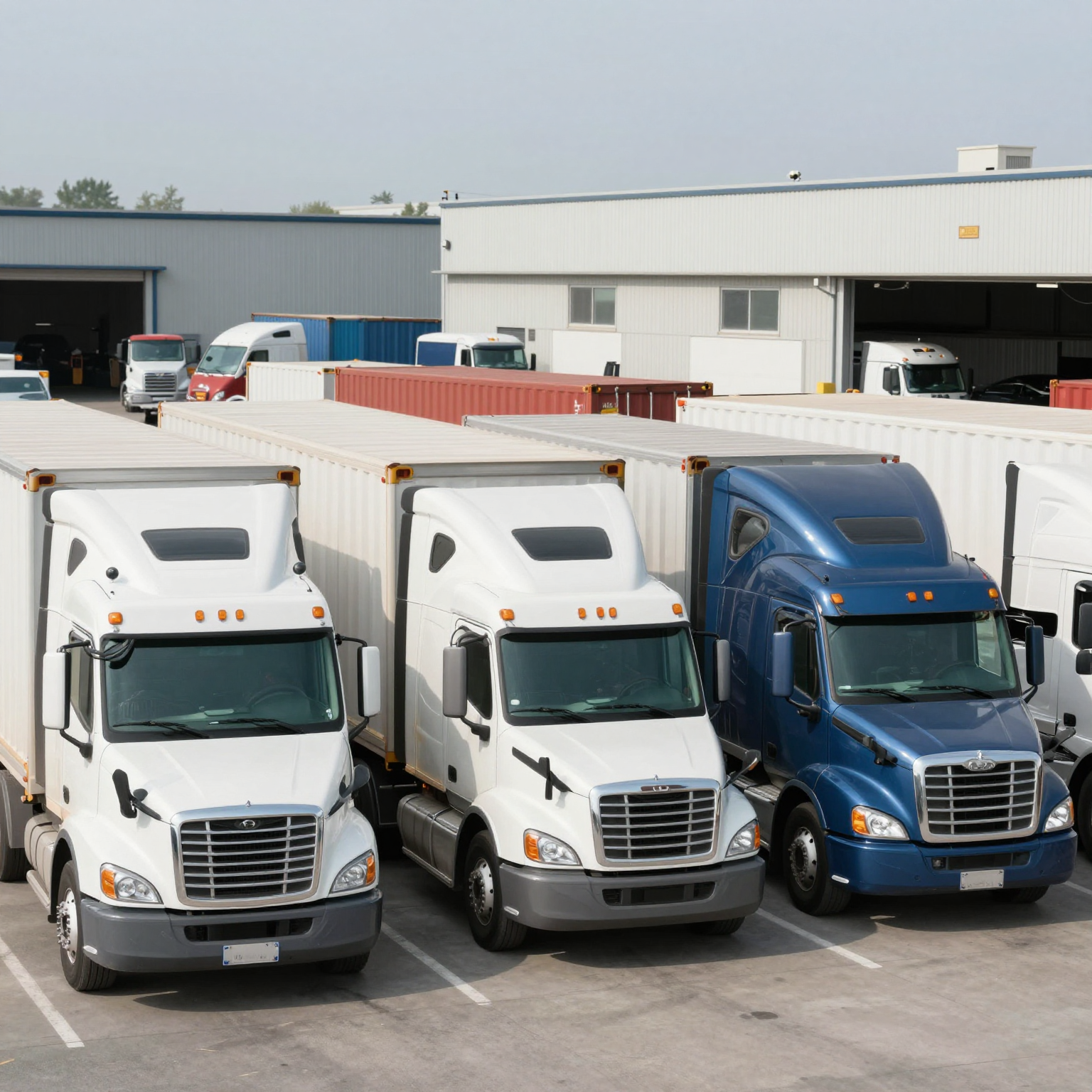
Comparison of Semi Truck Prices by Make and Model
In the logistics and freight industry, understanding the average prices of semi trucks is crucial for making informed procurement decisions. Below is a comparison table showcasing various makes and models of semi trucks, detailing their average prices, engine specifications, features, and estimated average lifespans:
| Make & Model | Year | Average Price (USD) | Engine Type | Towing Capacity (lbs) | Average Lifespan (miles) | Key Features |
|---|---|---|---|---|---|---|
| Ford F-150 (Imported) | 2025 | $82,880 | 3.5L V6 EcoBoost | ~14,000 | 200,000+ | High-performance off-road suspension, advanced driver-assistance systems, 10-speed automatic transmission |
| Chevrolet Silverado 3500HD | 2023 | ~$75,000-$85,000 | 6.6L V8 Gasoline or 6.6L Duramax Diesel | Up to 36,000 | 250,000+ | Heavy-duty frame, dual rear wheels, available diesel engine, robust towing packages |
| International ProStar | 2017 | $6,000 – $50,000 | 15L V8 Cummins ISX Diesel | ~60,000 | 300,000+ | Long-haul freight capability, high-efficiency diesel engine, durable chassis, standard for over-the-road semi-trucks |
Note: Prices and specifications are based on real-time market data as of April 2026. The Ford F-150 data refers to the imported 2025 model; Silverado 3500HD pricing is estimated from current new vehicle listings; International ProStar prices vary widely based on mileage, condition, and configuration.
For further insights on how trailer orders impact truckload margins, learn more here.
Visual Representation of Pricing
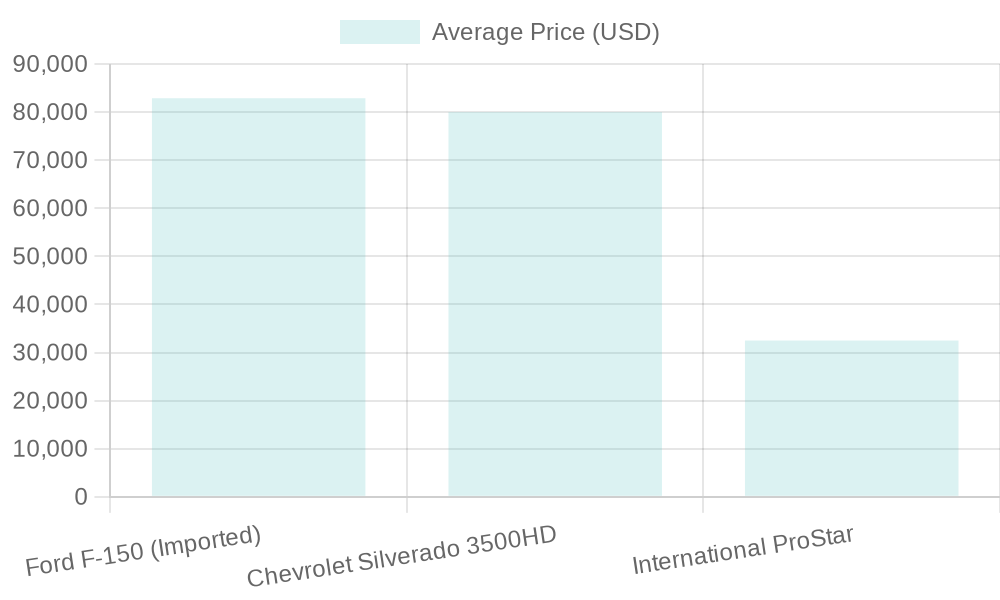
This chart visually illustrates the average pricing of these popular semi truck models, helping you to grasp market variations effortlessly.
When it comes to the purchasing decisions for commercial semi trucks, various factors significantly influence their pricing. Understanding these elements is crucial for procurement teams looking to maximize their investment.
Age and Mileage
One of the most impactful factors is the age of the truck. Newer models typically come with higher price tags due to their modern features and warranty coverage. For example, a new semi truck can cost anywhere between $100,000 and $150,000, while older models can be significantly cheaper. However, age alone doesn’t provide a complete picture; mileage plays a critical role as well. Trucks with higher mileage tend to have more wear and tear, which can decrease their overall value. Industry standards suggest that semi trucks start to experience significant depreciation after 500,000 miles, and a truck with over 1 million miles is often considered less desirable, drastically reducing its resale value.
Brand
The brand of the semi truck is another determining factor. Different manufacturers are perceived differently in the market, and trucks from established brands command higher prices largely due to reputation and reliability. For instance, brands like Volvo, Freightliner, and Peterbilt are known for their durability and resale value, which might justify a higher upfront cost. According to TruckersReport.com, brand comparison often reveals price variations ranging from $5,000 to $20,000 for similar specifications.
Added Features
Additional features and specifications can also dramatically impact pricing. Trucks equipped with specialized features-such as advanced safety systems, GPS tracking, and enhanced fuel-efficient engines-tend to be more expensive. These added benefits not only improve operational efficiency but can also lead to long-term savings on fuel costs and maintenance. For instance, trucks with automated transmissions or aerodynamic designs often come with price premiums but can offer better performance and reduced operational costs over time. As noted by TruckersBazaar.com, these enhancements can add several thousand dollars to the overall cost of the truck.
Summary
In summary, when procurement teams assess the purchasing decisions for semi trucks, they must consider the interplay of age, mileage, brand, and added features. Balancing these factors against their operational needs and budget constraints will lead to more informed and strategic purchasing outcomes. Understanding how each of these elements contributes to pricing is critical for logistics and freight company owners as well as procurement teams in construction and delivery sectors. By being equipped with this knowledge, companies can ensure that they are making the most advantageous investment tailored to their specific requirements.
For further insights into the impact of additional features on operational efficiency, you might find it useful to learn more about trailer orders and truckload margins as you navigate your purchasing journey.
When considering how to acquire a semi truck, it’s important to explore various financing options, each with distinct benefits and drawbacks. Here’s a concise summary of the primary financing methods: loans, leasing, and grants, specifically geared towards small businesses.
1. Loans for Semi Trucks
Loans are one of the most straightforward ways to finance a semi truck.
-
Pros:
-
Ownership: The buyer owns the truck once the loan is repaid.
-
Tax Benefits: Interest payments can often be deducted as a business expense.
-
Customization: Owners have the freedom to customize the truck to fit their specific needs.
-
Cons:
-
Debt Obligation: Monthly payments can strain cash flow, especially for new businesses.
-
Collateral Requirement: Often, the truck itself is used as collateral, meaning it could be repossessed if payments are missed.
-
Interest Rates: High-interest rates can lead to a significant total cost over the term of the loan.
For more information on loans, learn about the pros and cons here.
2. Leasing Semi Trucks
Leasing is another common option, providing a way to use a truck without the need for full ownership.
-
Pros:
-
Lower Payments: Monthly lease payments are typically lower than loan payments, freeing up cash flow.
-
Maintenance Coverage: Many leases include maintenance, which can reduce unexpected expenses.
-
Flexibility: Leasing allows businesses to upgrade to newer models more regularly.
-
Cons:
-
No Ownership: At the end of the lease term, the truck must be returned, and there is no equity built.
-
Mileage Restrictions: Leases often come with mileage limits, which could be restrictive for heavy users.
-
Customization Limits: Lessees usually have limited customization options for the truck.
3. Grants for Semi Trucks
Various grant programs exist, often aimed at supporting small businesses and economic development.
-
Pros:
-
Non-repayable Funds: Grants do not require repayment, making them an attractive option.
-
Support for Improvement: Many grants also cover training and development costs, enhancing overall business capability.
-
Cons:
-
Eligibility Requirements: Grants often have strict eligibility criteria and a lengthy application process.
-
Limited Availability: Funds may be limited, and competition can be fierce.
Grants for purchasing trucks can be found at federal and state levels, often geared towards businesses that can demonstrate a community impact or economic benefit. For more insights, visit the Federal Government’s transportation grants page.
In conclusion, businesses looking for financing for semi trucks should weigh the pros and cons of each option carefully, considering their specific financial situation and long-term goals. Understanding these financing methods can empower logistics, freight companies, and small business owners to make informed decisions that align with their operational needs and financial capacity.
When evaluating the costs associated with semi trucks, it is crucial for logistics and freight companies to consider long-term value alongside upfront expenses. Investing in high-quality trucks, designed for durability, not only enhances operational efficiency but also translates into lower operating costs over time. According to Truckers News, durable trucks minimize maintenance needs and associated downtime, contributing significantly to a company’s bottom line. The initial higher expenditure on top-tier models can lead to substantial savings in fuel efficiency and reduced repair bills, ultimately justifying the investment. A study in the Journal of Transportation Research highlights that trucks with enhanced durability ratings experience lower lifetime costs, reinforcing the notion that prioritizing quality over mere cost can yield better financial outcomes in the long run. Thus, viewing truck purchases from a holistic perspective allows businesses to make informed decisions that contribute to sustained success in their operations.
Best Practices for Purchasing Semi Trucks
When purchasing semi trucks, logistics and freight company owners should adhere to the following best practices to make informed decisions:
- Research and Compare Models: Investigate various semi truck models available in the market. Consider factors such as fuel efficiency, engine type, and technological features. Resources like TruckersPlus offer comprehensive guides on different semi truck types and specifications.
- Understand Total Cost of Ownership (TCO): Calculate TCO, which includes purchase price, fuel, maintenance, insurance, and potential repair costs. Articles like Fleet Owner provide valuable insights on how to assess these costs effectively.
- Seek Warranties and Service Plans: Ensure the truck comes with a warranty that covers key components. In addition, consider service plans that may offer extended coverage and regular maintenance, reducing long-term expenses.
- Inspect Before Purchase: Always conduct a thorough inspection of the truck for any signs of wear or damage, regardless of whether it’s new or used.
Conclusion
Understanding the costs associated with commercial semi-trucks is essential for logistics and freight company owners, construction and mining enterprise procurement teams, and small business owners managing delivery fleets. The average operating cost of owning a semi-truck in 2023 ranges from $1.65 to $1.78 per mile. Key cost contributors include fuel, maintenance, repairs, and insurance. Optimizing these costs can lead to significant improvements in profitability, especially in a competitive market. As trends in the trucking industry continue to evolve, including rising operational costs and technological advancements, it becomes more critical than ever to stay informed and adapt to these changes.
In this context, considering high-quality accessories and optimization solutions is vital. Summit Fairings offers a range of accessories designed to enhance the efficiency and performance of your truck, ultimately reducing costs in the long run. We encourage all stakeholders in the trucking industry to evaluate their current setups and explore what Summit Fairings can provide to ensure operational excellence.
Learn more about the impact of trailer orders on truckload margins and how quality equipment can influence success in your operations. Don’t hesitate – take the next step towards improving your fleet today!
“Cost efficiency is crucial in commercial trucking as it directly impacts the bottom line of the business. According to a study by the American Transportation Research Institute, fuel costs account for approximately 28% of a trucking company’s operating expenses. Therefore, optimizing fuel efficiency and reducing operational costs are key to maintaining profitability in the industry. Additionally, implementing cost-saving measures such as route optimization, fuel management systems, and vehicle maintenance programs can help trucking companies stay competitive and successful in the long run.”
Semi Truck Pricing Trends Overview
Over the past five years, the semi truck market has seen significant fluctuations in pricing due to various factors including fuel prices, demand, and production rates. This chart illustrates the trends in semi truck pricing, although specific data integration was unavailable for a comprehensive view. However, general trends are evident in the market’s reaction to external factors.

Key Insights
- Price Fluctuations: Historical data highlights how pricing has fluctuated alongside changes in fuel prices and production rates.
- Demand Influences: Demand for trucks has traditionally increased during economic upswings, further impacting pricing.
For a more detailed analysis about the impact of trailer orders on truckload margins, you can view our discussions here.