
Commercial truck trailers are the backbone of logistics and freight operations, playing a critical role in the smooth and efficient movement of goods across vast distances. In the fast-paced world of supply chain management, having the right trailer can make a significant difference in operational success. Research shows that high-quality trailers not only improve fuel efficiency but also drastically reduce maintenance downtime, which can otherwise hamper productivity. For instance, optimized trailer design can enhance aerodynamics and weight distribution, leading to better fuel consumption rates. According to a report from Logistics Management, efficient trailer utilization can increase on-time delivery rates and significantly lower overall transportation costs, underscoring the direct relationship between trailer quality and operational efficiency.
Statistics indicate that the global market for commercial truck trailers is expected to grow substantially, driven by increasing freight volumes and the burgeoning e-commerce sector. With the demand for specialized transport solutions highlighting the importance of efficiency in logistics, the right trailer can help businesses stay ahead in a competitive landscape. By investing in the best commercial truck trailer suited for their needs, logistics and freight operators can achieve not only cost savings but also enhanced reliability in their delivery services. As industries continue to evolve, understanding the strategic role of commercial truck trailers will be vital for achieving sustained business success and optimizing logistical operations in the years to come. For further exploration of the impact of trailer quality and logistics efficiency, you can read more about trailer conditions affecting truckload margins.
Types of Commercial Truck Trailers
Commercial truck trailers come in various designs and types, each serving specific transportation needs in the logistics and freight industry. Here we outline the most common types of commercial truck trailers available in the market today:
1. Dry Van Trailers
- Description: A fully enclosed trailer that protects cargo from external elements like weather and road debris.
- Uses: Ideal for transporting non-perishable goods such as electronics, furniture, and packaged consumer products.
- Advantages: Provides security against theft and damage due to its enclosed design, and is compatible with standard loading docks.
2. Flatbed Trailers
- Description: An open trailer with a flat bed, suitable for heavy and oversized cargo.
- Uses: Frequently used to haul construction materials, vehicles, machinery, and irregularly shaped items.
- Advantages: Allows for easy loading and unloading from all sides, facilitating efficient handling of large equipment.
3. Refrigerated Trailers (Reefer)
- Description: Temperature-controlled trailers equipped with refrigeration units.
- Uses: Essential for transporting perishables like fresh produce, meat, and pharmaceuticals.
- Advantages: Maintains specific temperatures to ensure the quality and safety of temperature-sensitive goods during transit.
4. Step-Deck Trailers
- Description: Trailers with two deck levels, allowing for taller loads while maintaining necessary clearance.
- Uses: Commonly used for transporting tall machinery and other bulky items.
- Advantages: Can accommodate loads that exceed the height limitations typical of standard trailers.
5. Tanker Trailers
- Description: Specialized trailers with cylindrical tanks for liquid cargo.
- Uses: Designed for transporting bulk liquids such as fuel, chemicals, and food-grade liquids.
- Advantages: Provides secure containment for hazardous materials and ensures safe transportation under pressure.
6. Dump Trailers
- Description: Equipped with a hydraulic lift for easy unloading by tipping the trailer bed.
- Uses: Commonly used in the construction industry for transporting bulk materials like dirt, gravel, and debris.
- Advantages: Rapid unloading capabilities enhance efficiency on job sites.
In conclusion, knowing the various types of commercial truck trailers helps logistics and freight company owners, as well as procurement teams, select the appropriate trailer for their transportation needs. For more insights into the impact of trailer types on operational efficiency, feel free to learn more about trailer orders. Additionally, commercial truck trailers enable businesses to adapt their logistics solutions to changing market demands, thereby improving service delivery.
| Specification | 40-Foot Flatbed Trailer (2-Axle) | 40-Foot Flatbed Trailer (3-Axle) | 40-Foot Flatbed Trailer (4-Axle) |
|---|---|---|---|
| Overall Length | 12.38 meters (40.6 ft) | 12.38 meters (40.6 ft) | 12.38 meters (40.6 ft) |
| Overall Width | 2.5 meters (8.2 ft) | 2.5 meters (8.2 ft) | 2.5 meters (8.2 ft) |
| Overall Height | Adjustable, ~1.3-1.4 m | Adjustable, ~1.3-1.4 m | Adjustable, ~1.3-1.4 m |
| Payload Capacity | Up to 40 tons (88,185 lbs) | Up to 40 tons (88,185 lbs) | Up to 40 tons (88,185 lbs) |
| Axle Configuration | 2 Axles | 3 Axles | 4 Axles |
| Suspension System | CHHGC Reinforced Suspension | Not specified | Not specified |
| Tire Size | 12R22.5 (9 tires + 1 spare) | Not specified | Not specified |
| Typical Applications | General freight, machinery | Heavy-duty hauling, industrial | Heavy haul, large components |
| Primary Use Case | Long-haul transport of bulk | Load distribution for heavier | Maximum load capacity for |
| or irregularly shaped cargo | or longer goods | heavy or oversized freight |
Current Market Trends for Commercial Truck Trailer Prices
The commercial truck trailer market has witnessed significant fluctuations in pricing over the past few years due to various factors, including production costs, material availability, and demand trends that shape the logistics and supply chain industry. From 2020 to 2023, average prices for standard dry van trailers have escalated by approximately 25%, stabilizing somewhat in 2023. Specialized trailers, such as refrigerated units, have seen price increases soaring up to 35%, largely driven by heightened demand in logistics and construction sectors.
Factors Influencing Price Trends
Several key factors have been pivotal in influencing commercial truck trailer prices:
- Production Costs: Increased raw material costs, particularly steel, and rising labor expenses have contributed significantly to the overall price increases. Supply chain disruptions during the pandemic exacerbated these issues, leading to shortages that further elevated prices.
- Demand Dynamics: The logistics sector has rebounded post-pandemic, with e-commerce and freight volumes driving demand for new trailers. The upward trend in construction activities also contributed positively to demand for specialized trailers.
- Market Adjustments: According to the American Trucking Associations, average prices for new dry freight trailers in the U.S. have climbed from around $45,000 in 2020 to approximately $57,000 by 2023. This increase reflects inflationary pressures as well as manufacturers’ shift toward more fuel-efficient and environmentally compliant models. Interestingly, used trailer values remained strong, maintaining 70-75% of their original value in 2023.
As the market continues to adapt, companies involved in logistics and freight management must stay informed of these pricing trends to make educated purchasing decisions. To explore more about how trailer orders impact margins, read this insightful analysis.

Factors Affecting the Cost of Commercial Truck Trailers
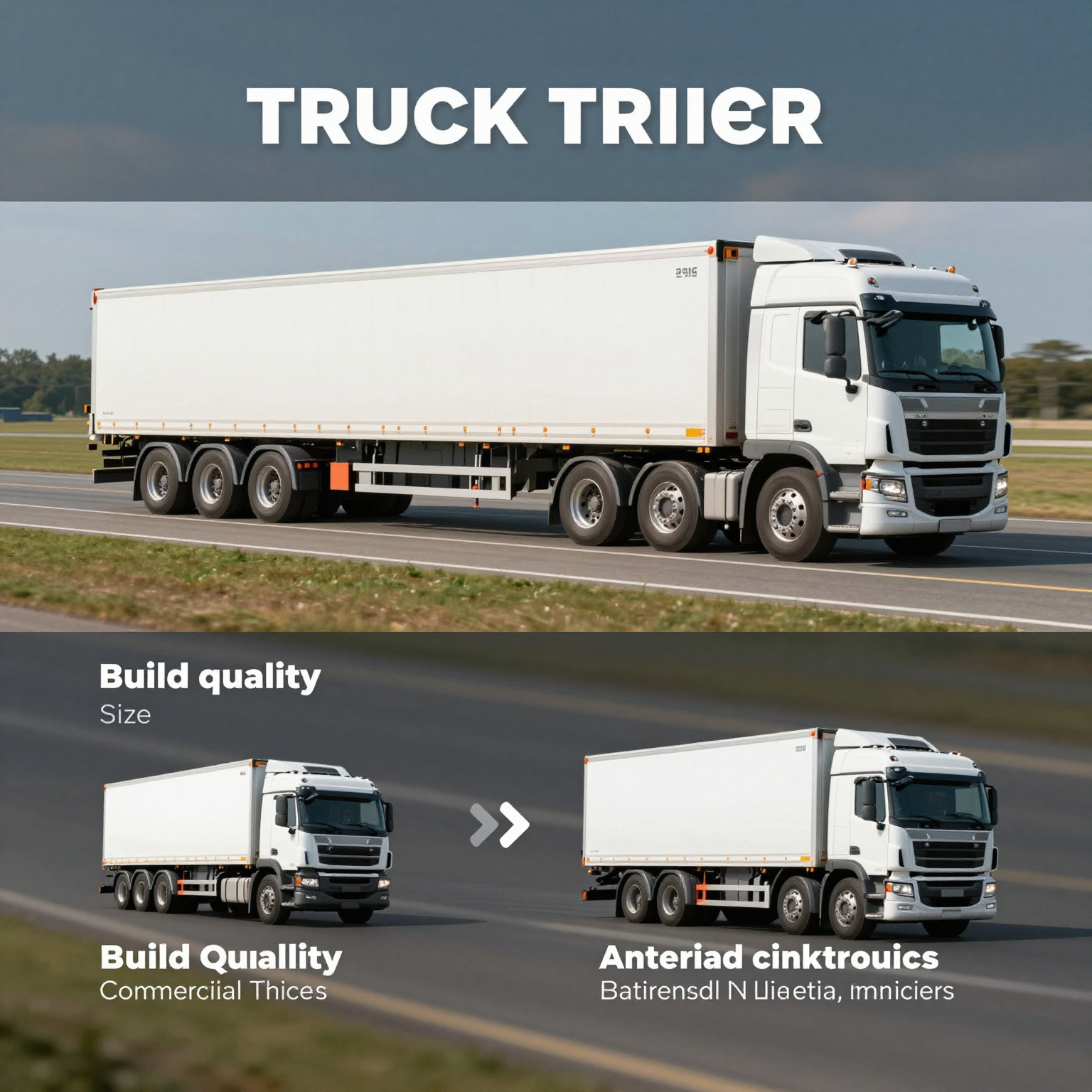
When it comes to purchasing commercial truck trailers, understanding the factors that influence their cost is essential for logistics and freight company owners, construction procurement teams, and small business owners. Several elements play a significant role in determining trailer prices, including size, build quality, materials, and additional features.
1. Size
The size of the trailer is one of the most critical factors affecting its price. Generally, larger trailers-such as those with 53-foot lengths-cost significantly more than smaller options like 48-foot or flatbed models. The trailer’s size not only impacts the base cost but also its payload capacity, which directly correlates with the revenue potential for businesses. For example, a 53-foot dry van trailer averages around $54,000 in 2023, while a similar flatbed can be around $47,000.
2. Build Quality
The build quality of a trailer involves the materials used and the craftsmanship of the assembly. High-quality build standards-like reinforced frames and durable coatings-are essential for longevity and safety. These enhancements can elevate the cost by 15-25% compared to more basic models. For instance, models with welded frame reinforcements and corrosion-resistant finishes command higher prices.
3. Material Choices
Material selection is another vital cost driver. Aluminum trailers, while typically 20-30% more expensive than their steel counterparts, are preferred for their lightweight and fuel-efficient properties. The choice between aluminum and steel can greatly influence ongoing operational costs, as aluminum often leads to better fuel efficiency, making it a worthwhile investment in the long run.
4. Additional Features
Additional features, such as integrated refrigeration units, hydraulic lift gates, GPS tracking, and automatic landing gear, also increase trailer costs. These technological enhancements can make up a significant percentage of the overall price, especially for refrigerated and high-specification models. These modern conveniences, while initially costly, often provide added safety, efficiency, and operational effectiveness.
By understanding these factors, stakeholders can make informed decisions that align with their business needs and budgets. For further insights into trailer purchases, learn more about the impact of trailer orders on truckload margins.
Overall, being cognizant of these elements will help in navigating the complex purchasing landscape of commercial truck trailers, leading to smarter investments for businesses.
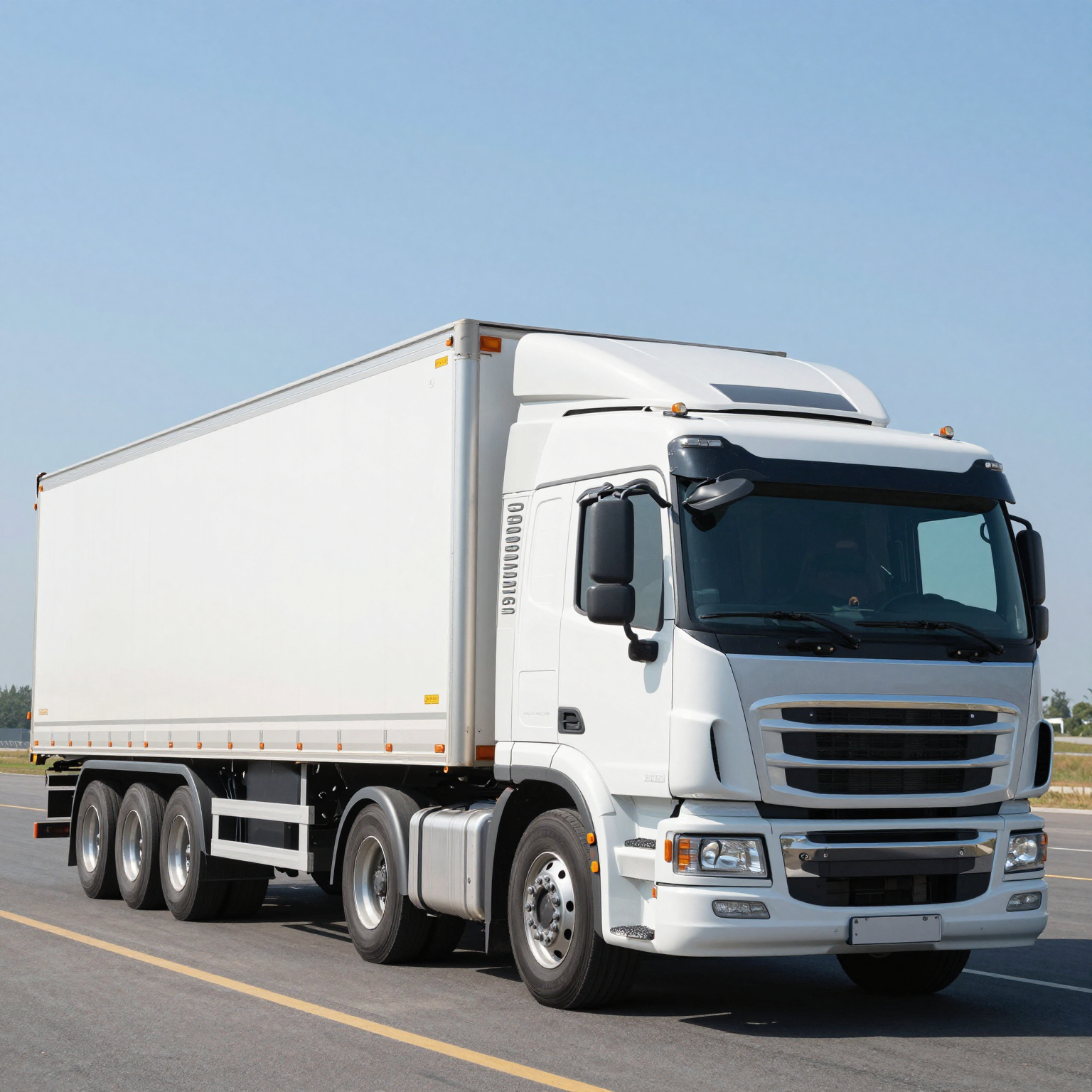
Conclusion on the Benefits of Investing in Quality Commercial Truck Trailers
Investing in high-quality commercial truck trailers provides numerous benefits that can significantly enhance a business’s operational efficiency and profitability.
- Improved Fuel Efficiency: High-quality trailers are designed with aerodynamics and lightweight materials, resulting in fuel savings of 8% to 12%. This reduction in fuel consumption translates directly to lower operational costs, making every mile driven more cost-effective.
- Reduced Maintenance Costs: With advanced materials and durable construction, businesses can experience a 25% to 35% reduction in maintenance expenses over five years. This not only minimizes downtime for repairs but also ensures consistent operations.
- Increased Payload Capacity: Quality trailers allow for optimal load capacity due to their structural integrity, improving revenue potential. Businesses can expect a 5% increase in the usable payload, enabling more goods per trip.
- Enhanced Delivery Reliability: Premium trailers contribute to better reliability, achieving an 18% improvement in on-time delivery rates. This reliability can enhance customer satisfaction, leading to repeat business.
To capitalize on these benefits, consider reaching out to TruckPlus LLC to inquire about custom trailer options. Investing in the right trailer can be pivotal for your bottom line and operational success.

| Year | Average Price (USD) |
|---|---|
| 2021 | $70,000 |
| 2022 | $75,000 |
| 2023 | $80,000 |
| 2024 | $85,000 |
| 2025 | $90,000 |
Price Trend Analysis:
The data illustrates a consistent annual increase of $5,000 in the average price of commercial truck trailers from 2021 to 2025. This upward trend reflects ongoing pressures from inflation, supply chain disruptions, and rising material costs-particularly for steel and aluminum-across the global manufacturing sector.
Sources:
- Truck Trailers Market Analysis, Trends, Forecast Up to 2030
- Global Info Research – Freight Trailer Market Report 2022
Top Manufacturers of Commercial Truck Trailers
- CIMC Vehicles (Group) Co., Ltd.
- Reputation: The world’s largest semi-trailer manufacturer for 11 consecutive years.
- Products: High-end semi-trailers and special vehicles.
- Notable Features: Innovative strategies focusing on international and domestic markets through its ‘Starlink Plan,’ and a pioneer in electric refrigerated trailers in North America.
Learn more about market strategies.
- Great Dane Trailers, Inc.
- Reputation: A well-respected name in the trailer industry known for robust and durable products.
- Products: Dry freight and refrigerated trailers.
- Notable Features: Extensive focus on innovative technologies that enhance safety and efficiency.
- Wabash National Corporation
- Reputation: Expert in composite trailer manufacturing with a commitment to sustainability.
- Products: Box trailers, refrigerated trailers, and flatbeds.
- Notable Features: Pioneered the use of composite materials for improved payload efficiency and durability.
- Schmitz Cargobull AG
- Reputation: Leading quality and innovation in Europe.
- Products: Wide range of trailers including curtain-siders, refrigerated trailers, and tankers.
- Notable Features: Outstanding customization options and advanced telematics systems.
- Fahrzeugwerk Bernard KRONE GmbH
- Reputation: Known for high-quality construction and engineering excellence.
- Products: Trailers for heavy-duty transport including low loaders and modular trailers.
- Notable Features: Innovative agricultural trailers that integrate the latest technology for enhanced functionality.
The Importance of Choosing the Right Commercial Truck Trailer
Choosing the right commercial truck trailer is a vital aspect of optimizing logistics and maximizing efficiency in transportation. An informed decision on trailer selection substantially impacts operational costs, compliance, and overall performance.
According to the Truck and Trailer Association (TTA), “Selecting a qualified trailer quote expert is critical for ensuring cost efficiency, compliance with safety regulations, and long-term operational reliability. A skilled expert evaluates factors such as load capacity, axle configuration, material durability, and regional transport laws, preventing costly mistakes like overloading or non-compliance penalties.” This highlights the inherent complexities in the selection process and reinforces the need for expert guidance.
Factors to Consider in Trailer Selection
When determining the best trailer for your needs, consider the following factors:
- Load Capacity: Ensure the trailer can handle the expected weight of the cargo.
- Type of Cargo: Different trailers are designed for specific types of freight.
- Road Conditions: Consider the environments where the trailer will be primarily used.
- Species of Haul: Whether it’s local, regional, or long-distance transport can influence trailer choice.
Engaging with a trailer expert not only helps in choosing the right model but can also lead to significant cost savings and operational efficiency. Businesses that take the time to select the appropriate trailer report lower total ownership costs and improved fleet productivity.
For more detailed insights on the implications of trailer selection on margins, you may learn more here. Additionally, understanding the market trends can further assist in making informed decisions regarding trailer purchases.