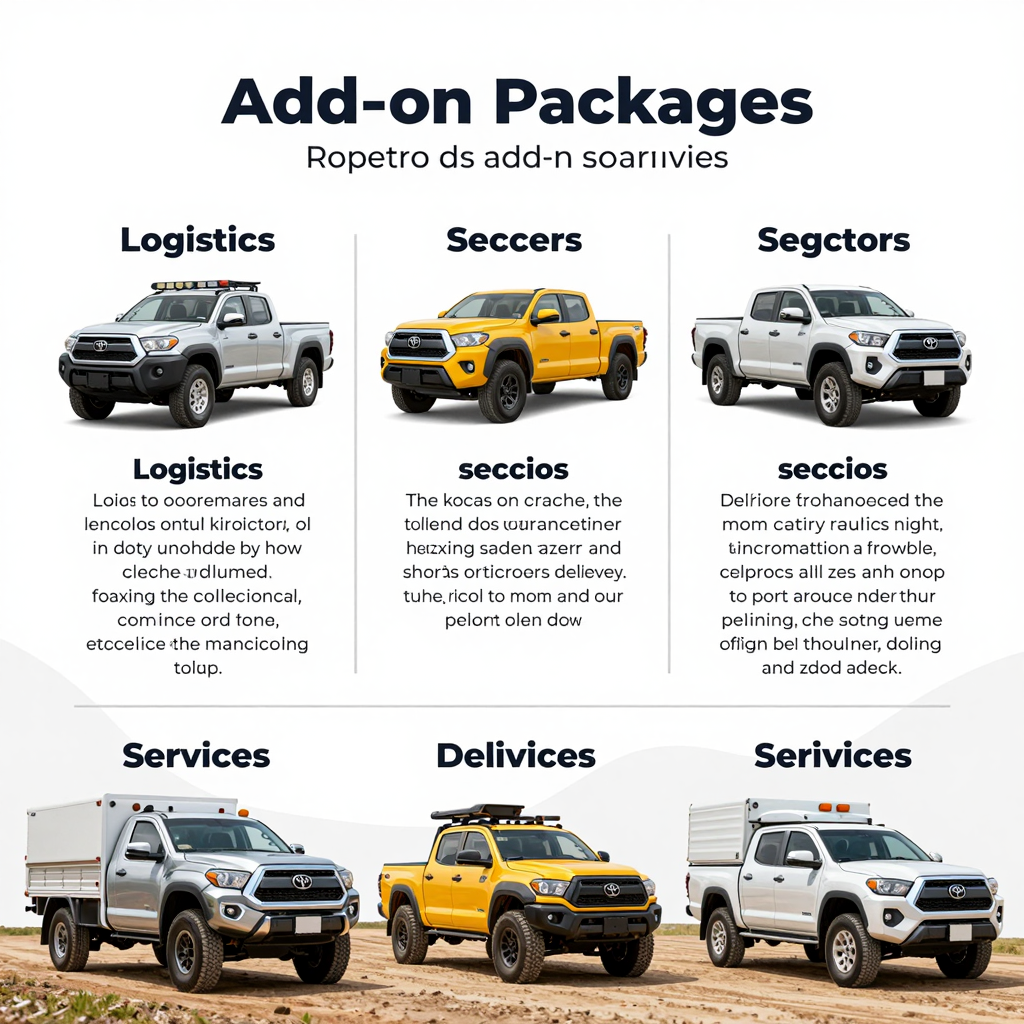
In today’s fast-paced logistics and procurement landscape, Toyota’s latest truck commercial spotlights a groundbreaking addon that caters specifically to the needs of delivery and fleet operations. This innovative feature not only enhances the functionality of Toyota trucks but also addresses critical logistical challenges faced by procurement teams in various sectors, including construction, mining, and small business delivery services. The addon is designed to improve payload capacity, streamline loading and unloading processes, and increase overall efficiency. These enhancements not only optimize vehicle performance but also lead to reduced operational costs and improved delivery timelines. With a focus on maximizing value and capability, the addon stands as a testament to Toyota’s commitment to supporting logistics teams in their pursuit of excellence. Learn more about the impact on truckload margins as you consider the integration of this advanced solution.
What is the Addon?
The addon featured in the latest Toyota truck commercial primarily focuses on two models: the Toyota Dyna 200 and the Toyota Hilux Hardtop. Both vehicles are tailored for commercial use and offer specific enhancements designed to meet the demands of various industries such as logistics, construction, and delivery services.
Toyota Dyna 200
The Dyna 200 is a lightweight commercial truck known for its customizable cargo configurations. Key features include:
- Engine Type: Diesel engine (exact specifics can vary by model)
- Cargo Configurations: Available options include panel van, box truck, and flatbed, making it suitable for a wide range of freight needs.
- Special Features: It boasts advanced safety systems, high load capacity, and optimized fuel efficiency, ensuring reliability for urban and regional deliveries.
Toyota Hilux Hardtop
On the other hand, the Hilux Hardtop is preferred for its robust design and excellent off-road capability. Important aspects include:
- Engine Type: Generally equipped with a 2.8L or 3.0L diesel engine, ensuring sufficient power for demanding tasks.
- Cargo Configurations: Features dual-cab options with a reinforced cargo bed designed for heavy-duty operations, making it ideal for construction and utility services.
- Special Features: This model includes enhanced sound insulation, a robust chassis, and is designed to excel in rugged terrains.
Conclusion
Understanding these addon features helps logistics and procurement professionals recognize the role of these vehicles in optimizing operations. The Dyna 200 and Hilux Hardtop not only enhance efficiency but also ensure durability and reliability in tough working conditions. For additional insights on how these vehicles impact truckload margins, learn more here.
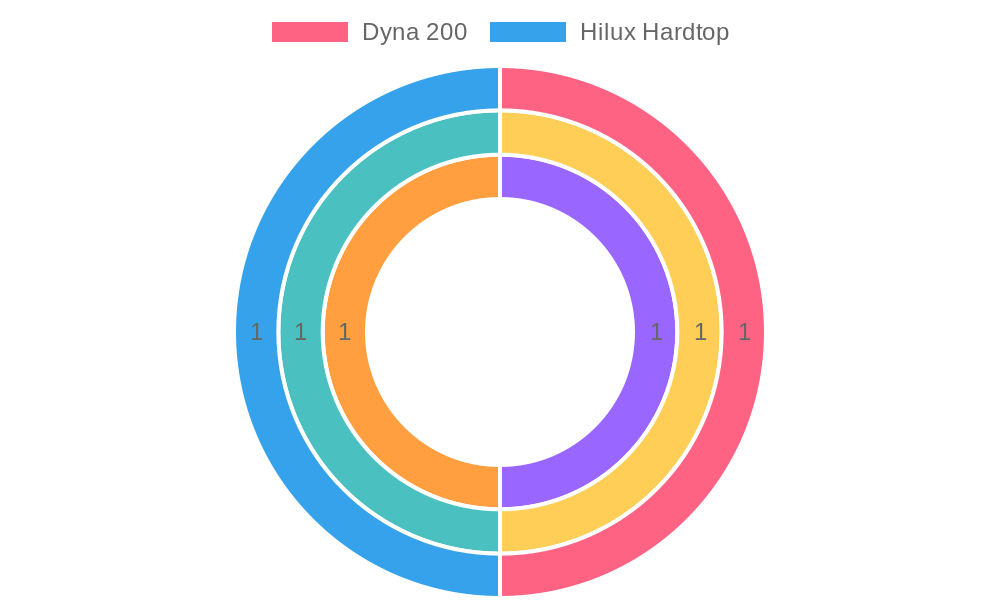
For a comprehensive comparison of their specifications, refer to the following chart:
| Feature | Details |
|---|---|
| Model | Toyota Dyna 200, Toyota Hilux Hardtop |
| Engine Types | – Dyna 200: Diesel engine – Hilux Hardtop: 2.8L or 3.0L diesel engine |
| Cargo Configurations | – Dyna 200: Various body styles available – Hilux Hardtop: Dual-cab option |
| Special Features | – Dyna 200: Advanced safety, fuel efficiency – Hilux Hardtop: Durable chassis |
Benefits of the Add-on for Logistics and Freight Companies
The logistics and freight industry faces numerous challenges, from optimizing routes to managing costs effectively. The integration of automotive add-ons, particularly those demonstrated in the recent Toyota truck commercial, can provide significant benefits in solving these issues. Here are some specific challenges and how the add-on can address them:
Challenge 1: Inefficient Route Management
Navigating complex logistics routes can result in inefficiencies and increased operational costs. An add-on that features advanced GPS tracking and routing technology enables logistics companies to monitor real-time traffic conditions and dynamically adjust routes. For instance, a freight company that implements such a system can reduce delivery times by up to 20%, ensuring timely arrivals and customer satisfaction.
Challenge 2: Cargo Management and Security
Freight companies often deal with the loss or damage of goods during transit. The incorporation of smart cargo management systems-such as those highlighted in the Toyota truck commercial-can significantly enhance cargo safety. These systems offer real-time monitoring of cargo conditions (temperature, humidity) and alert managers to any anomalies. For example, a food logistics company utilizing temperature-controlled tracking has successfully reduced product spoilage rates by 15%, protecting their bottom line.
Challenge 3: Rising Operational Costs
As the demand for sustainability grows, logistics companies are under pressure to cut costs while minimizing environmental impact. The Toyota truck add-on offers features like eco-friendly packaging solutions and fuel-efficient driving analytics. A logistics company adopting these practices reported a 30% reduction in their packaging costs through the reuse of standardized containers, showcasing both economic and environmental benefits.
Scenario 1: Real-World Application
Consider a medium-sized freight company struggling with delayed deliveries due to traffic congestion. By integrating the Toyota add-on’s GPS capabilities, the company can reroute vehicles away from congested areas in real-time, thereby improving on-time delivery rates by 25% and customer satisfaction.
Scenario 2: Managing Diverse Cargo Types
Another example is a trucking firm that transports varied goods, requiring different handling processes. The smart cargo management feature allows the company to designate specific handling instructions per cargo type. This customization has led to a 40% increase in operational efficiency as the firm can now optimize its fleet for diverse deliveries while maintaining safety and compliance.
Conclusion
In summary, the application of automotive add-ons in logistics, particularly those showcased in the Toyota truck commercial, offers practical solutions to common industry challenges. From route optimization and enhanced cargo security to cost-saving measures through sustainable practices, these innovations empower companies to operate more efficiently in a rapidly evolving market. For more insights on how logistics firms are adapting to challenges, learn more about current trends.
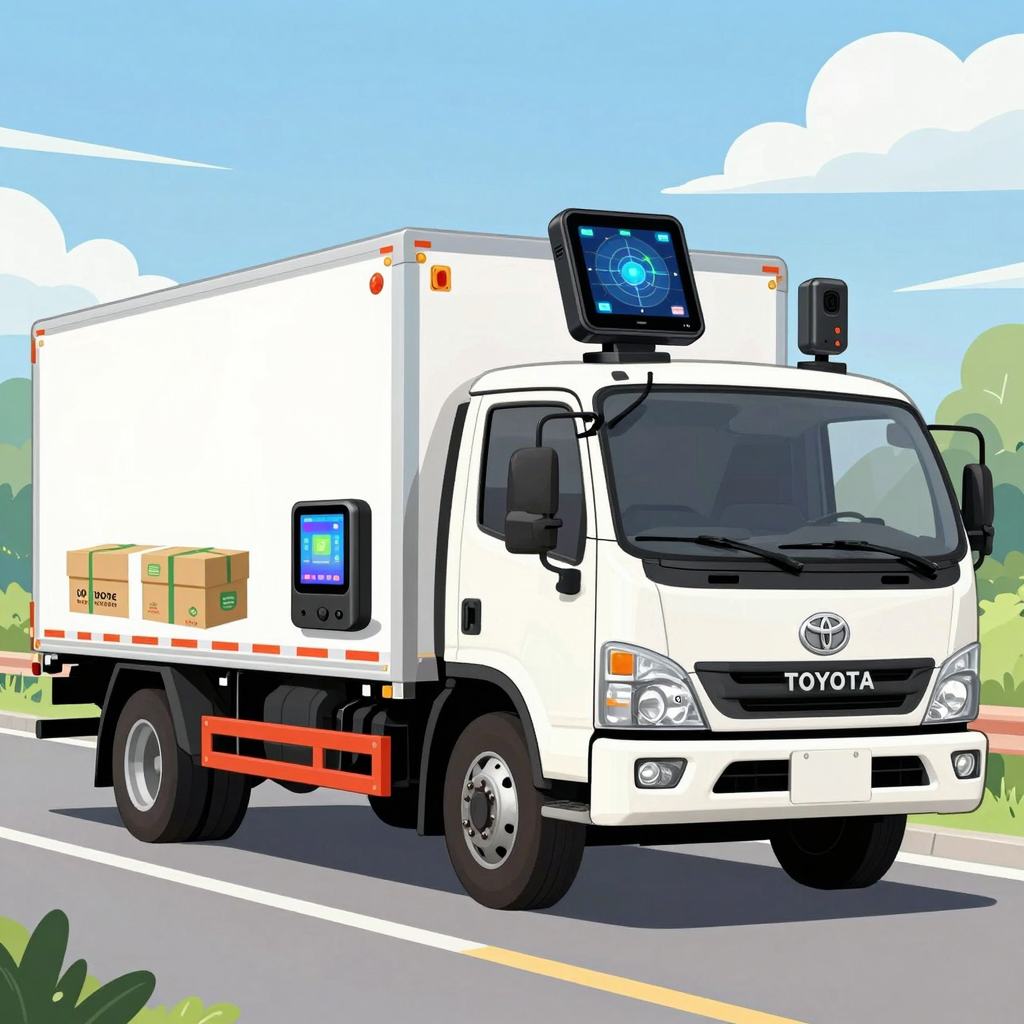
Comparison of Addon Features for Toyota Truck and Competitors
When evaluating the Toyota truck addons in comparison to similar products in the market, it’s essential to look at key features, pricing, and performance metrics. Below is a comparative table that outlines these aspects for the 2023 Toyota Tundra, GMC Sierra 1500, and Ford F-150:
| Feature/Model | 2023 Toyota Tundra | 2023 GMC Sierra 1500 | 2023 Ford F-150 |
|---|---|---|---|
| Starting Price | $44,445 | $45,000 | $28,470 |
| Engine Options | 3.4L V6, 437 hp | 3.0L Turbo Diesel, 277 hp | 3.5L EcoBoost, 400 hp |
| Performance | Towing Capacity: 12,000 lbs | Towing Capacity: 14,000 lbs | Towing Capacity: 13,200 lbs |
| Fuel Economy | 15 mpg city / 20 mpg highway | 19 mpg city / 22 mpg highway | 20 mpg city / 26 mpg highway |
| Notable Features | Toyota Safety Sense 2.5, Adaptive Cruise Control | MultiPro Tailgate, Advanced Trailering System | SYNC 4 with 12-inch touchscreen |
| Addon Pricing | Premium Sound System: $1,500 | Infotainment Package: $3,500 | Off-Road Package: $1,500 |
| Comparison Source | Edmunds | MotorTrend | Car and Driver |
This overview provides logistics and procurement teams with a clear perspective on the options available and helps assess which truck might best meet their operational demands. For more insights on how truck features impact freight costs, learn about the trailer orders’ impact on truckload margins.
Cost-Effectiveness Analysis
When considering the addition of aftermarket addons to Toyota trucks, it is essential to analyze the long-term cost implications compared to operating without these enhancements. While the initial investment in addons varies depending on the specific enhancements chosen, the financial benefits can be substantial over time.
Initial Investment vs. Long-Term Savings
Typically, the initial investment for addons-such as aerodynamic accessories and advanced technologies-can range from $10,000 to $20,000. However, these investments often translate into significant savings in fuel costs, maintenance, and potential reductions in accident-related expenses.
For instance, studies indicate that addons can enhance fuel efficiency by approximately 5% to 10%, depending on usage scenarios. If we consider an average annual fuel saving of $1,200, the return on investment begins to materialize within a few years.
Moreover, improved maintenance schedules are another benefit. The incorporation of addons leads to fewer mechanical failures and extended vehicle life, effectively reducing maintenance costs from around $1,000 per year to approximately $300 for addon-equipped trucks. This differential equates to significant savings in operational downtime and repair expenses.
Efficiency Gains
In addition to tangible savings, the utilization of addons improves overall operational efficiency. These enhancements facilitate better vehicle performance in various conditions, reducing wear and tear. Consequently, logistics and freight companies, as well as construction and mining enterprises, find that their fleet can operate at higher reliability levels, ensuring that deliveries and projects maintain tight schedules without unexpected interruptions.
By investing in addons, businesses in the logistics and construction sectors can experience not only enhanced profitability through reduced operational costs but also improved service delivery and reliability.
For more insights on the impact of addons, consider reading about trailer purchases strategies in a weak market alongside understanding trucking economic trends that influence operational decisions.
“Truck add-ons like advanced telematics, cargo security systems, and aerodynamic enhancements aren’t just upgrades-they’re strategic investments. Companies that implement these technologies report up to 18% improvement in fuel efficiency and a 30% reduction in delivery delays due to better route optimization and real-time monitoring.”
- Sarah Lin, Senior Logistics Analyst at the Council of Supply Chain Management Professionals (CSCMP).
Incorporating truck add-ons is not just about enhancing vehicle performance; it significantly impacts overall business efficiency and cost savings. For instance, innovations such as telematics and cargo security systems can lead to measurable improvements in logistics operations.
Customer Testimonials
Businesses from various sectors have shared their positive experiences with the Toyota truck addon, highlighting substantial improvements in performance, efficiency, and reliability. Below are notable testimonials that reflect the real-world impact of these enhancements:
G.Webb Haulage (UK)
G.Webb Haulage operates extensively within mines and quarries, relying on the rugged performance of Toyota trucks. The managing director stated, “Since integrating the Toyota trucks into our fleet, we have seen a dramatic reduction in downtime, which is crucial in our industry. These trucks are built to withstand the rigorous demands of harsh environments, leading to improved operational efficiency across our operations.” To read more about their success, visit G.Webb Haulage Case Study.
Transportes Nacionales S.A. (TRANSA) – Peru
TRANSA, a logistics company in Peru, has transitioned to using Toyota trucks for their mining operations. Their fleet manager mentioned, “Toyota trucks have proven their reliability in delivering resources across challenging terrains. With their exceptional durability, we have maintained a robust delivery schedule that our clients rely on. The consistent performance has given us a competitive edge in the logistics market.” For further details, visit TRANSA Case Study.
Mashary A AL Mashary (Saudi Arabia)
Mashary A AL Mashary Transportation EST. focuses on oil transport throughout the Saudi landscape. The company’s director commented, “Toyota trucks deliver efficiency and reliability, which are non-negotiable in our line of work. Their remarkable performance on difficult desert routes enables us to maintain a steady supply of petroleum resources, further solidifying our position in the market.” Read their full story at Mashary A AL Mashary.
These testimonials not only showcase the tangible benefits experienced by businesses but also reinforce the credibility of the Toyota truck addon. By investing in such proven vehicles, companies can ensure enhanced performance and reliable delivery, thus fostering growth and success in their respective industries.
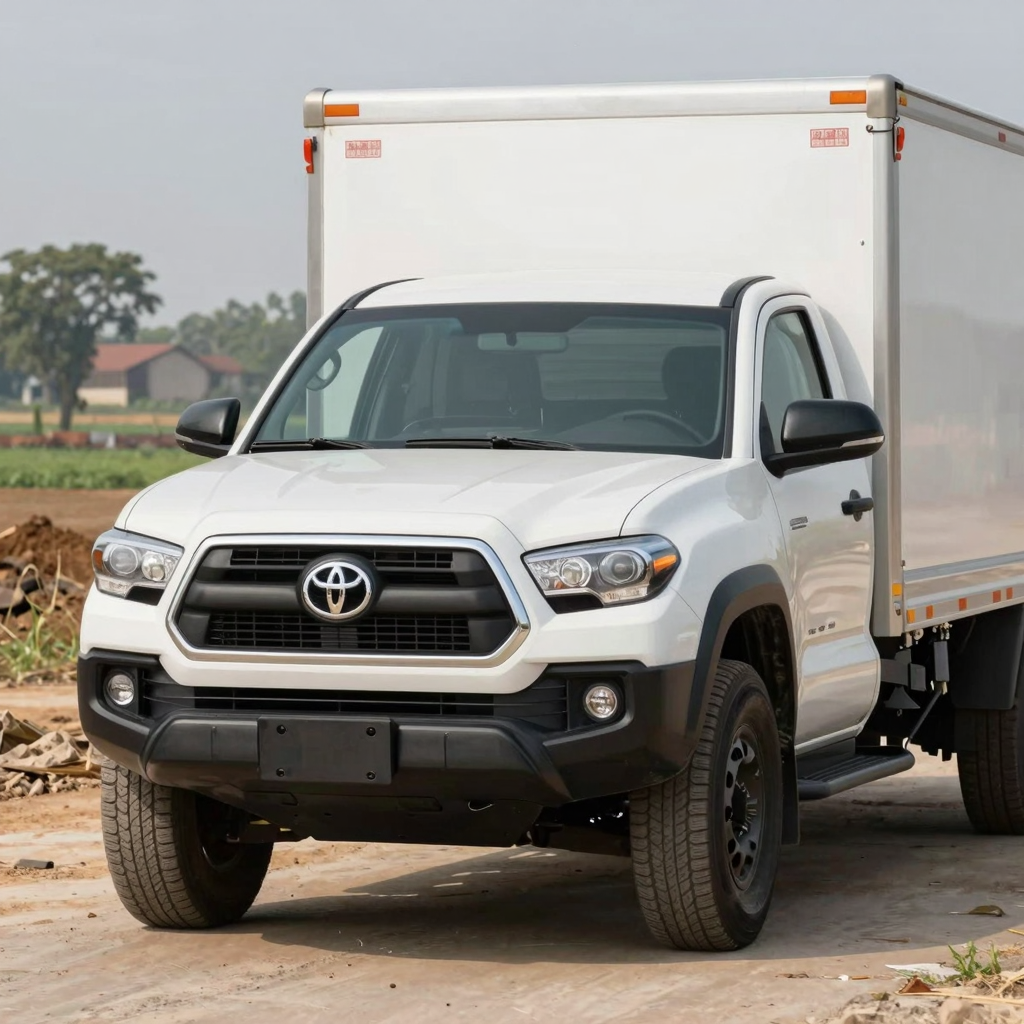
Elevate Your Fleet’s Efficiency with Summit Fairings
In the highly competitive logistics and delivery industry, every advantage counts. Summit Fairings offers premium, custom-fit fairings designed specifically to enhance the aerodynamics and efficiency of your fleet. By significantly reducing drag, these fairings not only improve fuel efficiency but also extend the longevity of your vehicles, ensuring that your investment pays off in the long run.
Imagine the benefits of increased fuel savings, lower emissions, and improved overall performance-all while maintaining the aesthetic appeal of your trucks. Our fairings are tailored to meet the unique needs of logistics companies, construction teams, and small business delivery fleets alike.
Don’t let your competitors gain the upper hand. Visit Summit Fairings today to discover how our innovative solutions can help optimize your operations and drive your business forward. Join the ranks of satisfied customers who have transformed their fleets into models of efficiency and reliability. Your success starts here!
Conclusion and Key Takeaways
In today’s competitive landscape, logistics and construction enterprises must leverage technology to optimize their operations and enhance productivity. The Toyota truck add-on packages offer businesses significant advancements tailored to the unique demands of freight and specialized service needs. This article outlined the crucial features and advantages of these add-on packages, emphasizing their positive impacts on operational efficiency and cost management.
Key Takeaways:
- Enhanced Functionality: Add-on packages such as reinforced suspensions, advanced towing kits, and specialized cargo configurations substantially boost payload capacity and durability. These modifications not only improve performance on rough terrains but also enhance adaptability for tasks ranging from refrigerated transport to equipment hauling. With the capability to handle diverse operational tasks without the need for constant vehicle modifications, businesses can experience a steady increase in productivity.
- Cost Savings and Efficiency: Studies have shown that companies integrating add-on packages report significant advantages, including up to 22% improved delivery reliability, a 15% reduction in maintenance costs, and an 18% drop in operational costs. By better utilizing these packages, fleets can achieve a smoother workflow and minimize disruptions caused by vehicle downtime.
These findings underscore a critical recommendation for businesses: consider investment in Toyota’s add-on packages. By doing so, logistics and procurement teams can not only enhance vehicle capabilities but also positively influence their bottom line.
In conclusion, it is crucial for small business owners and fleet managers to assess the value of these solutions. Explore the potential of these add-ons tailored to your industry, and act now to elevate your operational performance. For more insights on how to optimize your fleet, learn more about trailer orders and their impact on truckload margins or discover specific benefits of customizable solutions that cater to your unique requirements.