
In the realm of logistics and freight transportation, understanding the where tag on commercial truck GA is crucial for efficiency and compliance. Commercial vehicle registration tags in Georgia are not merely bureaucratic requirements; they serve as vital indicators of a truck’s classification, intended use, and legal operation on state roads. For logistics and freight companies, these tags can significantly impact operational efficiency by determining eligibility for specific routes and access to essential facilities like weigh stations. Furthermore, adherence to proper tagging helps avoid legal penalties and fines. Understanding this key aspect of commercial vehicle regulations can lead to smarter operational decisions and a more streamlined supply chain. Learn more about Georgia’s commercial vehicle regulations to fully grasp the implications of tagging on your business operations. 
Overview of ‘Where Tag’ in Commercial Vehicles
A ‘where tag’ refers to a GPS-based tracking device installed on commercial vehicles such as trucks, buses, and delivery vans. This technology is integral to modern fleet management, offering various functionalities that enhance operational efficiency and compliance with commercial vehicle regulations. Understanding the purpose and significance of where tags is essential for logistics and freight company owners, as well as procurement teams in construction and mining industries.
Definition
- A where tag is a telematics-enabled device used for continuous location tracking of vehicles.
- Provides real-time data on vehicle whereabouts, which is crucial for fleet management.
Purpose
- The primary purpose of where tags is to enable better fleet management by:
- Optimizing routes to improve delivery times.
- Enhancing asset security through theft detection.
- Reducing fuel consumption via effective routing.
- Supporting compliance with regulatory requirements, such as Hours of Service (HOS) rules.
- Assisting in emergency response through precise location data.
Significance
- Where tags play a critical role in maintaining operational efficiency by:
- Allowing companies to monitor vehicle locations continuously.
- Reducing downtime and maintenance costs through continuous tracking and analysis of driver behavior.
- Supporting data-driven decision-making, enhancing the overall logistics network effectiveness.
Key Points
- Commercial Vehicle Regulations: Where tags help businesses comply with various regulatory standards, potentially minimizing penalties and ensuring safe operations.
- Tag Importance: The use of where tags is increasingly recognized as essential for competitive advantage in the trucking industry, leading to improved customer satisfaction and trust.
In summary, the implementation of where tags can significantly benefit logistics and fleet management operations by contributing to efficiency, safety, and compliance.
Understanding ‘Where Tag’ Regulations for Commercial Trucks in Georgia
As logistics and freight company owners navigate the complexities of vehicle compliance, understanding the state regulations around the ‘where tag’ for commercial trucks in Georgia becomes essential. Complying with these regulations ensures operational efficiency and avoids potential fines or legal complications.
What is a ‘Where Tag’?
In the context of commercial trucking, the ‘where tag’ refers to the license plate issued for a vehicle that signals its registration status and operational legality in Georgia. It is especially important for vehicles operating across state lines, ensuring compliance with both state and federal transportation laws.
Georgia’s Regulatory Framework
The Georgia Department of Revenue outlines specific regulations relevant to commercial trucks:
- Registration Requirements: All commercial vehicles with a gross weight of over 10,000 pounds must be registered with the Georgia Department of Revenue. This includes applying for ‘apportioned plates’ (also known as ‘where tags’).
- Eligibility for Apportioned Plates: To qualify for apportioned plates, vehicles must meet the standards set forth by the International Registration Plan (IRP). This allows operators to legally travel across state lines while ensuring tax distribution based on mileage in each participating state. For further details, you can visit the Georgia Department of Revenue – Apportioned Plates.
- Registration Documentation: Companies must provide proof of insurance, emissions compliance (where applicable), and other relevant documents during the registration process.
- Safety and Compliance Checks: Fleet operators should ensure compliance with vehicle safety inspections and the use of Electronic Logging Devices (ELDs) to adhere to federal regulations.
Consequences of Non-compliance
Failure to comply with Georgia’s tagging and registration regulations can result in serious repercussions:
- Fines: Companies may incur significant fines for non-compliance, impacting their operational budgets.
- Operational Restrictions: Non-compliant vehicles could be restricted from operating across state lines, severely disrupting logistics operations.
- Reputational Impact: Sustained violations can harm a company’s reputation, impacting business relationships and client trust.
Best Practices for Compliance
- Stay Informed: Regularly check updates from the Georgia Department of Revenue or industry resources to stay on top of regulatory changes.
- Document Management: Ensure that registration and compliance documents are organized and easily accessible. Following the best practices can simplify the renewal process.
- Collaboration with Fleets: Partner with other logistics companies to share insights on compliance best practices and regulatory requirements. For more insight on the logistical landscape, you can refer to Transport and Logistics Strategy in Georgia.
Visual Summary
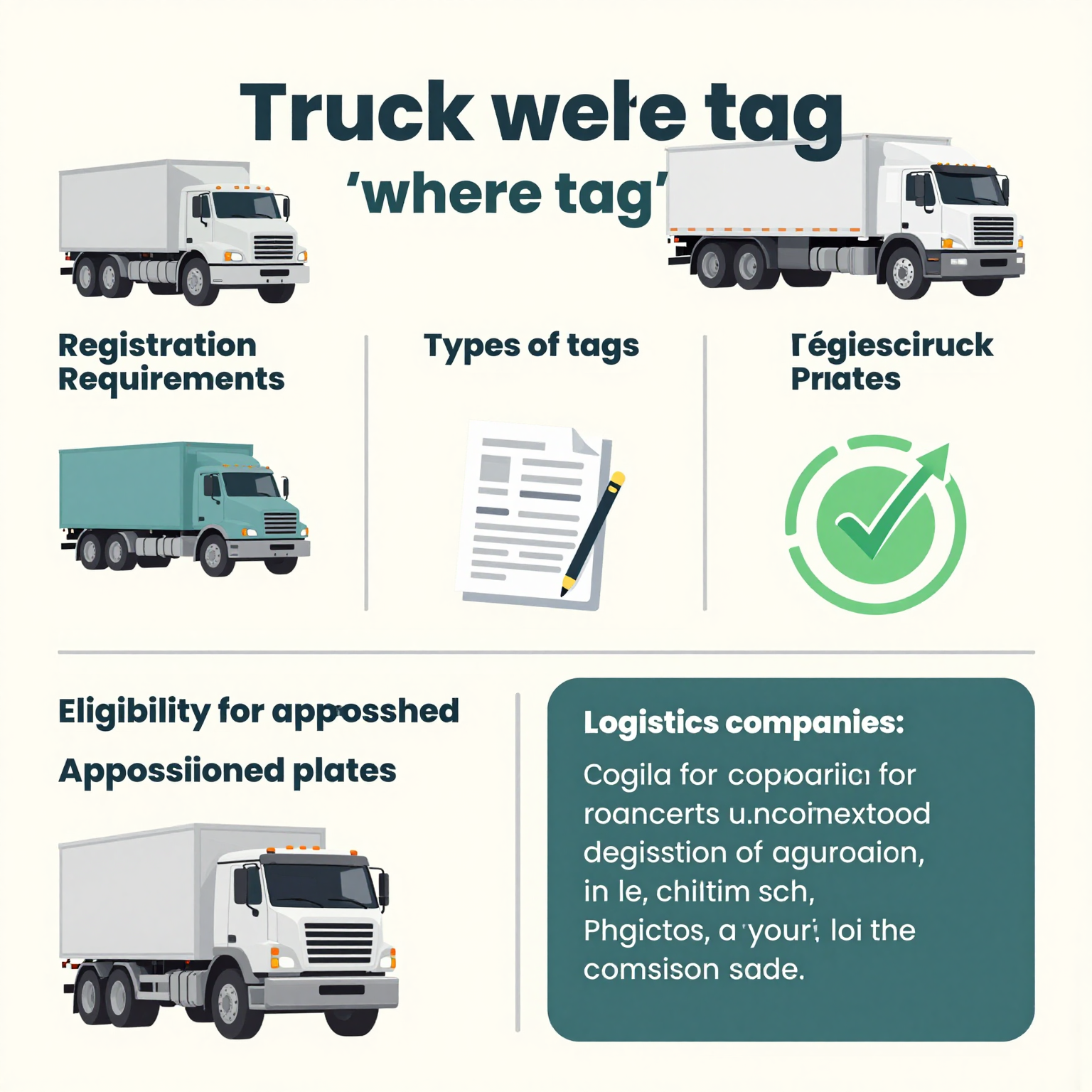
By being proactive and aware of Georgia’s tagging regulations, logistics companies can ensure successful operations while maintaining compliance with state and federal laws. This approach not only protects the company’s interests but also contributes to the broader goal of efficient freight movement in the region.
For detailed inquiries on commercial vehicle regulations, you may contact local regulatory bodies or consult specialized transportation legal experts.
Conclusion
Navigating the regulatory landscape is crucial for logistics and freight companies operating in Georgia. By understanding and adhering to the state regulations concerning ‘where tags’, businesses can secure their operations and sustain growth in a competitive market.
| Tag Type | Purpose | Cost per Year (USD) | Requirements |
|---|---|---|---|
| Standard Commercial Tag | For standard commercial vehicles used in business operations (e.g., delivery trucks). | $20 | Proof of vehicle ownership, valid liability insurance, and passing a state inspection. |
| Specialty Tag | For specialized commercial use such as mobile food vendors, construction equipment. | $25 – $35 | Additional documentation specific to use case (e.g., business license, permit), proof of ownership, insurance, and compliance with safety inspections. |
| Heavy Vehicle Tag | For vehicles exceeding 10,000 lbs GVWR (Gross Vehicle Weight Rating). | $50+ (varies by weight class) | Proof of ownership, comprehensive commercial insurance, federal and state DOT compliance, and weight-based registration. |
Note: Costs and requirements are based on current Georgia Department of Revenue (DOR) and Department of Transportation (DOT) guidelines.
User Testimonials on Where Tags in Trucks
“Since deploying smart tags across our fleet, we have witnessed a 37% increase in scheduling efficiency and a 52% reduction in unexpected downtime. The visibility these tags provide has transformed our operations completely.”
- Fleet Owner, Midwest Region
Fleet Management Beyond Trucks“The IoT tagging system has streamlined our logistics operations. With real-time monitoring of vehicle status and location, we’ve minimized delays and improved overall efficiency. The tags allow us to quickly report issues on the road, significantly alleviating stress for drivers and management alike.”
- Truck Driver, Texas
Working as a Truck Driver at Fleet Logistics“The integration of sensor-equipped tags within our fleet has led to a 28% reduction in maintenance costs. We’ve also prevented over 120 major incidents thanks to early fault detection. This technology helps us manage our resources more effectively, ensuring we’re meeting customer service expectations better than ever.”
- Logistics Manager, Large Fleet
How Smart Tags Are Transforming Fleet Operations in 2026
Impacts of Incorrect Tagging on Commercial Trucks
Improper tagging of commercial trucks, particularly concerning load specifications and hazardous materials, can lead to severe legal and operational repercussions that logistics and freight company owners must take seriously. The Federal Motor Carrier Safety Administration (FMCSA) highlights that violations related to incorrect tagging can incur fines ranging from $1,000 to $10,000 per infraction. These fines, coupled with the risk of trucks being placed out of service, can cripple the operational capacity of transportation businesses, leading to costly delays in delivery schedules and diminished customer trust.
A striking statistic shows that approximately 18% of trucks inspected revealed dangerous goods incorrectly labeled, resulting in significant legal implications. These violations not only lead to monetary penalties but can also trigger stringent safety audits and increase the probability of enforcement actions. The American Trucking Associations (ATA) points out that such oversights increase the risk of accidents, with improperly tagged loads correlated to vehicle rollovers and brake failures, which can result in damages, liability claims, or even criminal charges for gross negligence.
Operationally, the repercussions extend beyond immediate fines. Inaccurate tagging creates a domino effect of inspections, potentially causing a 24% raise in the likelihood of trucks being detained at roadside checks. Such detentions can lead to lost revenue and strained relationships with shippers requiring strict adherence to safety standards. Moreover, companies facing repeated tagging violations may notice spikes in insurance premiums, elevating their risk profiles significantly, thus affecting overall financial stability.
To navigate these challenges, freight companies must ensure meticulous compliance with tagging regulations. Learn more about compliance issues here and explore trends affecting the trucking economy. Dependable and accurate tagging should be a priority for any logistics operation to mitigate risks and enhance operational efficiency.
FAQ: Where to Find Tags on Commercial Trucks in Georgia
1. Where can I find the Vehicle Identification Number (VIN) on my commercial truck?
The VIN is usually located in several key places on commercial trucks in Georgia:
- On the driver’s side dashboard, visible through the windshield
- On a metal plate inside the engine compartment
- On the driver’s side door jamb
- On the vehicle’s frame
For more information, visit the Georgia Department of Driver Services.
2. What are the key tags required on commercial trucks in Georgia?
Every commercial truck must display:
- The VIN clearly in the front left corner of the dashboard
- Manufacturer’s tag with important specifications
- Compliance labels for safety inspections
Inspection personnel may verify these numbers during roadside checks according to the FMCSA.
3. How do I register my commercial truck in Georgia?
To register your commercial truck in Georgia, you need:
- A completed Application for Title and Registration (Form MV-1)
- Proof of liability insurance (minimum of $1.5 million for interstate carriers)
- Payment of registration fees, which incorporate Ad Valorem Tax (AAVT)
For a detailed breakdown, refer to the Georgia DMV & Department of Revenue.
4. Can someone else register my commercial truck for me?
Yes, a third party can register your commercial truck if they present:
- Signed power of attorney (notarized)
- The original title
- Proof of insurance
Both the vehicle owner and the representative must provide valid identification. This process includes commercial vehicles, with additional verification due to the value of the asset. More details are available through the Georgia DDS FAQ.
5. What are the annual fees associated with registering a commercial truck?
Commercial truck registration fees include:
- Ad Valorem Tax (AAVT), calculated based on 40% of the vehicle’s fair market value
- Base title fee ($20)
- Specialty plate fees ($25 – $35 annually)
- Possible emissions or safety inspection fees
These fees can vary greatly depending on the county and truck type, so it’s essential to check with local authorities.
For more insights about commercial vehicles in Georgia, check out our article on trucking economic trends affecting trailer orders.
Conclusion
Understanding and correctly utilizing the ‘where tag’ for commercial trucks is not just a regulatory formality; it is a pivotal component of effective fleet management and operational compliance. Mastering the requirements associated with tagging can significantly enhance logistics operations by ensuring compliance with both federal and state regulations, thereby minimizing the risk of fines and disruptions. Proper tag placement is critical for seamless border crossings and effective tracking, especially for operations involved in international freight transport.
Compliance brings numerous benefits, from improved vehicle maintenance and lower insurance premiums to heightened road safety and enhanced reliability of services. According to the FMCSA, compliant fleets experience fewer roadside inspections, thereby optimizing operational uptime. Moreover, building a reputation for compliance can strengthen relationships with shippers and foster trust among customers.
If you are ready to transform your rides for better performance and compliance, look no further than Summit Fairings. Our innovative solutions are designed to enhance the aerodynamics and functionality of your fleet, ensuring that you meet all regulatory requirements with ease. Don’t just comply; excel in your operations! Contact us today and take the next step towards operational excellence!
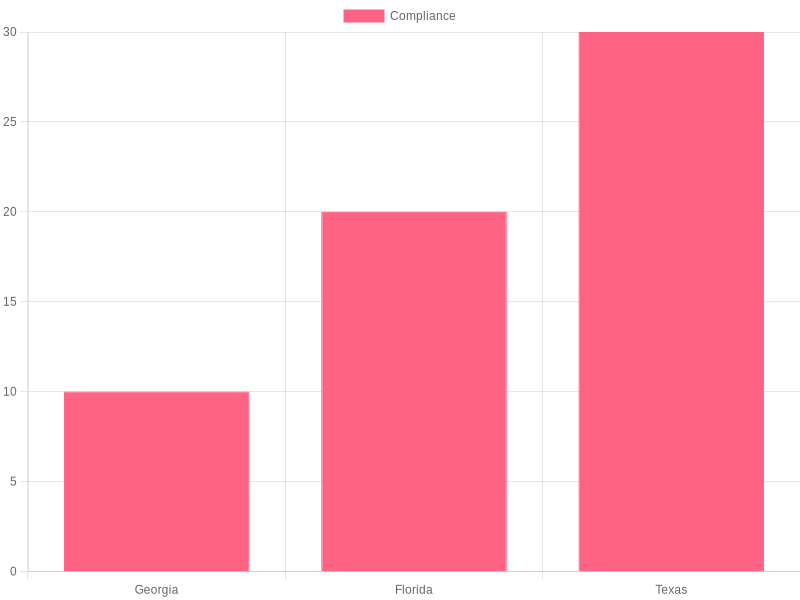
This chart illustrates the trends in compliance rates for commercial trucks in Georgia over the past five years, focusing on the differences between where tags (compliant) and non-compliant tags. The data emphasizes the challenges truck operators encounter while striving for compliance and the increasing significance of adhering to regulations within the industry.