
In an industry where logistics, construction, and delivery services are critical to the economy’s momentum, commercial registration for trucks stands paramount. This essential process not only ensures that vehicles comply with regulations but also provides businesses with the legal framework necessary to operate efficiently and competitively. Companies involved in logistics must navigate an ever-complex web of regulations and operational challenges; hence proper truck registration helps mitigate risks associated with compliance and liability. For procurement teams in construction and mining enterprises, the implications of commercial registration extend to ensuring that their fleets are reliable, legally compliant, and capable of meeting rigorous operational demands. Small business owners managing delivery fleets also benefit significantly, as proper registration can bolster their reputation and ensure seamless operation in an increasingly regulated market. In this article, we will explore the intricacies of commercial registration for trucks, discuss the associated costs, and provide valuable insights tailored specifically for logistics and freight company owners, construction and mining procurement teams, as well as small business owners invested in delivery services. Learn more about regulatory challenges and trucking economic trends that are shaping this vital component of the trucking industry.
Factors Affecting Commercial Truck Registration Costs
Commercial truck registration costs vary significantly based on numerous factors. Understanding these factors can help logistics and freight company owners, construction and mining enterprise procurement teams, and small business owners with delivery fleets better navigate the registration process. Here’s a detailed outline of the primary considerations:
-
Truck Weight
The weight of the truck is one of the most crucial factors affecting registration costs. Heavier trucks generally incur higher registration fees due to the increased wear and tear they impose on roadways. Most states categorize trucks by weight classes (e.g., light, medium, heavy-duty), with costs increasing in tandem with weight: -
Light trucks (up to 10,000 lbs): Lower fees, typically imposed on personal vehicles or smaller delivery vans.
-
Medium trucks (10,001 to 26,000 lbs): Moderate fees with more stringent state regulations affecting costs.
-
Heavy trucks (over 26,000 lbs): Highest fees, as they are treated as commercial vehicles subject to additional regulations.
-
Vehicle Type
The type of truck plays a significant role in determining registration costs. Different classifications (e.g., tractor-trailer, straight truck, dump truck) may have varied fee structures, often correlating with their intended use and operational capacities. -
Usage
The intended usage of the truck, whether for freight transport, construction, or specialized services (like hazardous materials transport), can lead to specific fees. Trucks that operate in interstate commerce may be subject to higher rates due to the need for additional permits and compliance with federal regulations. -
State-Specific Fees
Registration fees can vary greatly from state to state, influenced by local policies, taxes, and additional charges: -
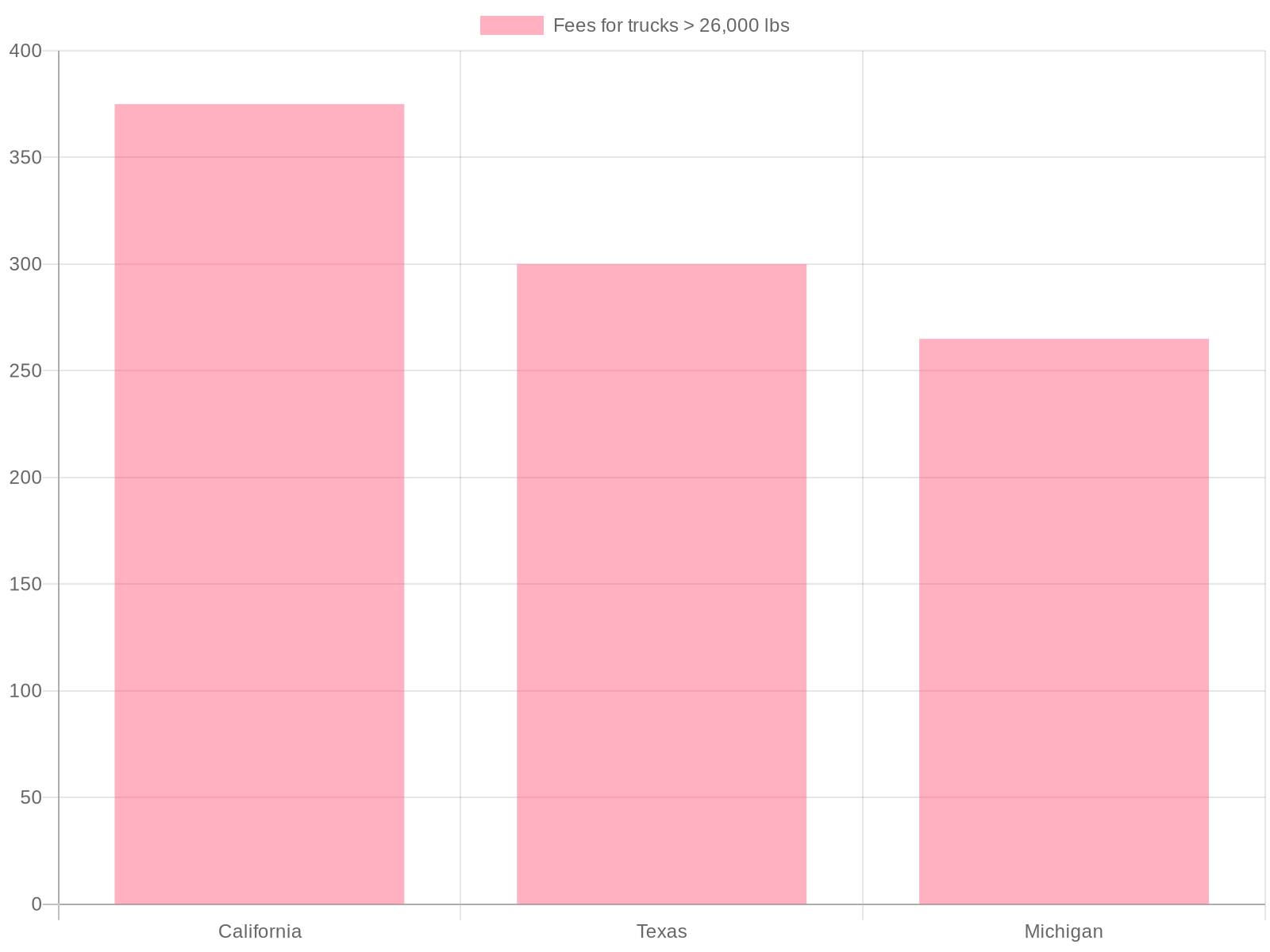
California charges a base fee plus weight-related fees which can total up to $1,200 for larger vehicles.
-
Texas uses a flat fee structure with optional weight-based charges, usually totaling around $200 to $400 for heavy trucks.
-
Michigan applies flat fees combined with local taxes, with costs ranging from $180 to $350 for heavy-duty vehicles.
Learn more about state-specific fees. -
Additional Costs
Additional fiscal considerations may include safety inspections, emissions testing fees, insurance requirements, and local taxes, all contributing to the overall cost of registration. Some states have programs to support trucking initiatives that may require additional funding contributions.
Understanding these factors can significantly affect the budgeting and planning for your fleet’s operations. By being mindful of the various registration requirements in different states, businesses can take proactive measures to manage their costs effectively. For more insights, consider exploring trucking economic trends affecting trailer orders.
Visual Summary
Registration Fees Comparison: The chart below showcases the registration costs specifically related to heavier trucks across different states.
Comparison of Commercial Truck Registration Costs by State
Understanding commercial truck registration costs is crucial for logistics and transportation companies, as these fees can significantly impact operational budgets. Below is a comparison of registration costs across various states, highlighting average costs and the factors influencing pricing.
| State | Average Registration Cost (Commercial Truck) | Factors Influencing Pricing |
|---|---|---|
| California | $1,000 – $3,000+ annually | Vehicle License Fee (VLF) of 0.65% of vehicle’s market value; base registration fee of $46; several county surcharges; special program fees based on emissions and age. |
| Texas | $200 – $800 annually | Weight-based fees based on axle or gross vehicle weight; base registration fee; local county fees apply depending on truck size and class. |
| New York | $1,200 – $5,000+ annually | Weight-based fees; additional charges for specific vehicle types; urban congestion fees apply in NYC; higher fees for hazardous materials. |
| Colorado | $300 – $1,200 annually | Fees based on gross vehicle weight; incremental increases per weight tier; state environmental fees; local transportation improvement fees. |
| Illinois | $500 – $2,000 annually | Combination of weight-based fees and local government fees; additional charges for hazardous material transportation. |
| Florida | $250 – $1,000 annually | Weight-based registration fees; local county fees may apply; costs increase with truck size and GVWR. |
| Oregon | $500 – $1,500 annually | Weight-based fees; fuel tax included in registration; additional charges for heavy-duty trucks; compliance with regulations affecting administrative fees. |
Conclusion
In summary, commercial truck registration costs vary significantly across states, influenced by factors such as vehicle weight, age, and type. These differences necessitate careful budget planning for logistics and freight operators, especially in states with notably high fees like California and New York. For more insights on navigating registration processes and understanding related costs, explore trucking economic trends to stay informed about the factors affecting your business operational costs.
Additionally, reviewing state-specific requirements can help in making informed decisions regarding fleet management and compliance.
Note: Costs are approximate and can fluctuate based on various regulations and updates within each state.
Benefits of Commercial Truck Registration
Registering commercial trucks provides numerous strategic benefits for businesses in logistics and transportation sectors. These advantages center on compliance, insurance, and operational efficiency, which are crucial for maintaining a competitive edge in the industry.
Compliance
Maintaining proper registration for commercial trucks ensures compliance with state and federal regulations. According to NHTSA, companies that prioritize compliance reduce unexpected vehicle stoppages by 30%. This not only helps in avoiding fines and penalties that can disrupt logistics schedules but also enhances overall operational reliability.
Insurance
Having comprehensive insurance coverage is more than just a regulatory requirement; it protects businesses from financial losses. Companies with compliant registrations experience improved driver retention and 40% fewer roadside inspections, as noted in an American Trucking Associations report. This is vital in minimizing liability and accident risks, ultimately reducing delays and increasing service reliability.
Operational Efficiency
Furthermore, consistent registration and valid insurance positively impact operational efficiency by improving delivery schedule predictability by up to 25%. With these advantages, businesses can enhance their service offerings, ensuring customer satisfaction and boosting profitability.
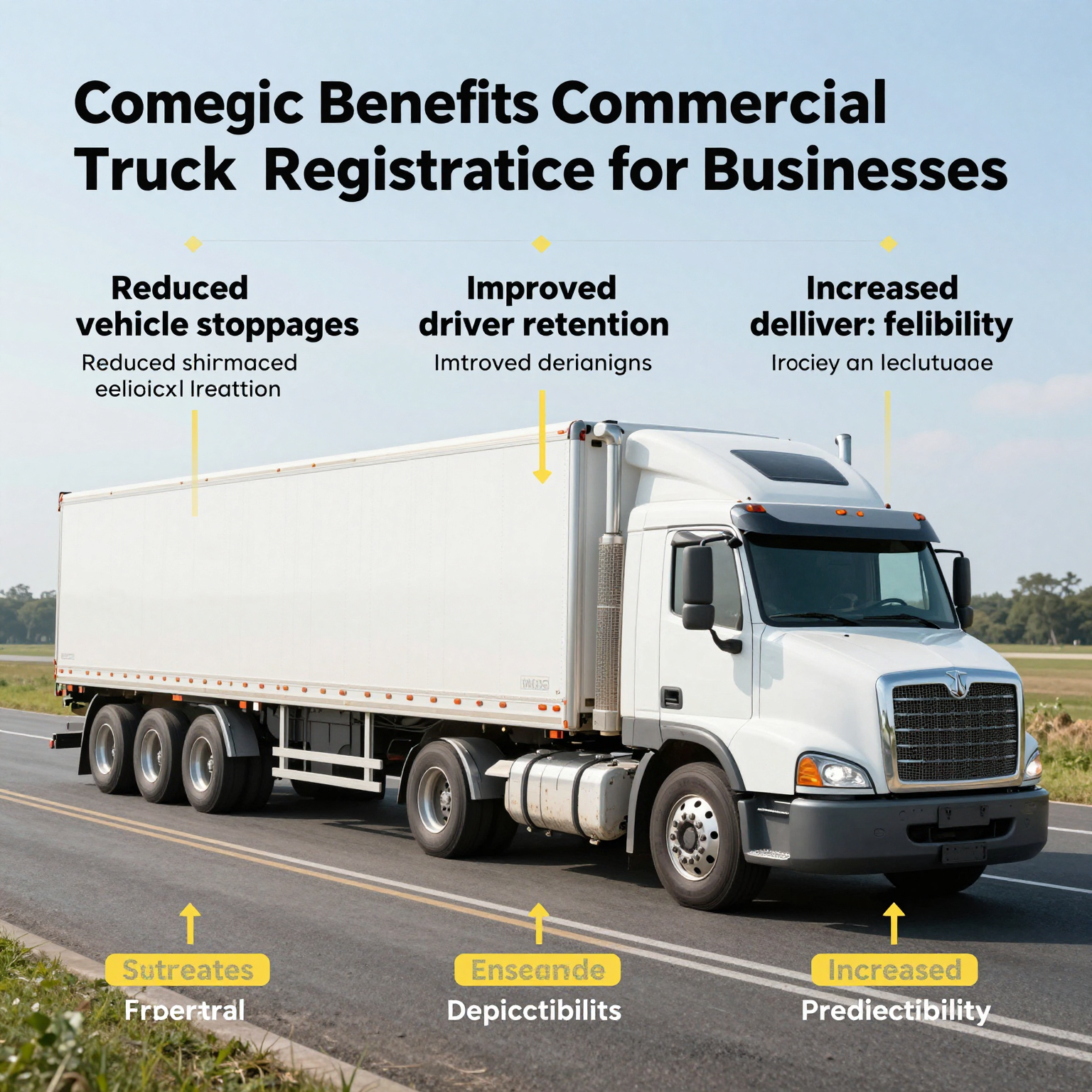
In conclusion, the strategic benefits of registering commercial trucks span from compliance to enhanced operational efficiency, making it a wise investment for any business in the logistics and freight sector. Learn more about compliance challenges and how trends affect the industry for better decision-making.
When navigating the complexities of commercial truck registration, it’s essential to understand the various documents required. A typical registration process requires:
- Vehicle Registration Form: This document provides essential information about the truck, including its VIN, make, and model.
- Title Certificate: Proof of ownership is critical, allowing you to demonstrate that the truck is yours.
- Proof of Insurance: Most jurisdictions require proof of insurance to ensure that the vehicle is adequately covered on the road.
- Bill of Sale: This document serves as a record of the transaction if you purchased the truck.
Understanding these documents is crucial for logistics and freight company owners, as it helps streamline the registration process and avoids any legal hurdles. For more insights, feel free to learn more about regulatory issues in the trucking industry, which may affect your operations.
State-Specific Registration Requirements
Navigating the registration maze for commercial trucks is particularly essential for logistics and construction companies, as regulations vary significantly from state to state. Each state has unique requirements regarding vehicle registration, permits, and documentation, which can impact operations and compliance. Here, we breakdown the key registration requirements across different states.
1. General Registration
All states require basic vehicle registration, which typically includes:
- Proof of ownership (e.g., bill of sale or title)
- Proof of identity and residency
- Payment of applicable registration fees
2. Weight Classifications and Emissions Standards
States often have different classifications based on vehicle weight.
- California: Known for its strict environmental regulations, requires additional emissions testing for trucks operating within its borders. Ensure compliance with California’s Air Resources Board (CARB) regulations, which may include submission of Technical Assessment Protocol (TAP) documents.
- Texas: Registration is based on weight and type, with specific decals required for vehicles. Texas has unique weight classifications that often necessitate additional weight permits for larger vehicles.
3. State-Specific Permits
Certain states mandate specific permits that trucking companies must secure before operating:
- Florida & Colorado: Require oversize or overweight permits for vehicles exceeding standard dimensions. These permits can usually be obtained online but may involve a fee and specific documentation.
4. Electronic Logging Device (ELD) Compliance
Some states require trucks to have an Electronic Logging Device (ELD) as part of their registration process:
- New York & Illinois: Mandates that proof of ELD compliance be submitted during registration. Business owners need to ensure that their vehicles are equipped and operational with ELDs.
5. Local Business Licensing
To operate legally, especially in the construction sector, certain states may require proof of local business licensing:
- Pennsylvania & Ohio: Registration must include proof of local business licensing specifically for construction haulage. This is essential for compliance with local ordinances and can vary by city.
Conclusion
Understanding and complying with state-specific registration requirements can be a complicated process for logistics and construction companies. It is essential to engage resources such as the FMCSA’s state-by-state commercial vehicle registration guide and the American Trucking Associations’ details on registration to ensure compliance and avoid penalties.
Trends in Commercial Truck Registration Costs Over the Last Decade
The landscape of commercial truck registration costs has seen significant changes over the past decade, reflecting a broad array of economic and regulatory shifts. Between 2012 and 2022, average registration costs escalated from approximately $1,200 to around $2,800, marking a dramatic 133% increase. This trend highlights several critical factors contributing to the rising costs:
Key Trends and Contributing Factors:
-
State-Level Fees:
-
Registration costs vary widely across states, with regions like California and New York experiencing some of the highest fees due to stringent regulations.
-
Safety and Emissions Compliance:
-
Increasing regulatory requirements aimed at improving vehicle safety and emissions standards have led to additional compliance costs for truck operators.
-
Inflationary Pressures:
-
General inflation has played a considerable role in the rising costs, affecting everything from administrative fees to service rates.
The following chart illustrates these trends:
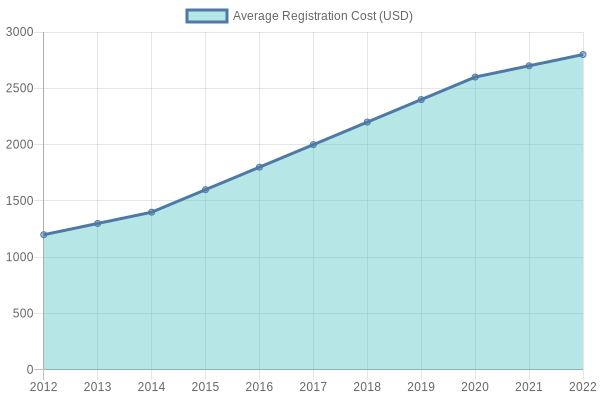
In summary, the increase in commercial truck registration costs over the last decade is a multifaceted issue influenced by regulatory measures, state fees, and economic pressures. Businesses involved in logistics and freight operations must account for these rising costs when budgeting for their fleet expenses. For further insights on navigating regulatory challenges, you can learn more about cross-border regulatory issues or explore trucking economic trends affecting trailer orders.
Understanding the Importance of Proper Registration for Commercial Trucks
For logistics and freight company owners, as well as procurement teams within construction and mining enterprises, understanding the costs associated with commercial truck registration is essential not only for budgeting but also for ensuring operational legality. Commercial registration is more than just a legal formality; it significantly impacts a company’s ability to operate smoothly and avoid costly penalties.
A crucial aspect of effective trucking management lies in maintaining proper registration, which serves as a safeguard against legal and operational pitfalls. As former Federal Motor Carrier Safety Administration (FMCSA) administrator Annette Sandberg emphasizes:
“Proper registration is not just a legal requirement; it’s a critical step to ensure operational safety and maintain industry credibility, as well as to avoid hefty fines.”
This insight underscores the importance of adhering to regulatory frameworks in the trucking industry. As vehicle operators and owners, focusing on registering commercial trucks correctly is essential for lawful operation and public safety. The consequences of neglecting this responsibility can include hefty fines and potential operational shutdowns, placing significant pressure on the organization.
The Cost of Commercial Registration
When determining how much commercial registration will impact your bottom line, several factors come into play:
- Type of Vehicle: Different registrations may apply based on truck categories (light, medium, heavy duty).
- Location: Fees may vary significantly by state due to local regulations and taxes.
- Additional Permits: Depending on your cargo and routes, you may need specialized permits that add to the overall costs.
A comprehensive approach to registration ensures compliance and streamlines operations. Implementing a clear understanding of registration processes and costs can ultimately lead to a more efficient operation while avoiding regulatory issues. To learn more about navigating cross-border regulatory issues, explore our resources.
Ensuring that your fleet is properly registered is an investment in the safety and credibility of your operation. Being proactive about compliance by staying informed on the latest regulations and registration requirements can save you considerable hassle and expense down the road.
For insights on how economic trends affect trucking operations, see our analysis.
Overall, a meticulous approach to commercial vehicle registration ultimately aligns with a commitment to operational legality, safety, and enhanced operational efficiency.
Conclusion: Understanding Commercial Truck Registration Costs
In summary, the costs associated with commercial truck registration are multifaceted and require careful consideration by logistics and freight companies, as well as small business owners with delivery fleets. The total expenses can range significantly based on federal and state fees, annual registration expenses, inspection costs, and necessary insurance coverage. As noted, in 2023, the federal cost of a Unified Carrier Registration (UCR) can exceed USD $500 annually, not including varying state fees that could range from USD $100 to $500.
Understanding these costs is essential for maintaining operational efficiency and compliance. Non-compliance with registration requirements can lead to penalties, including substantial fines, vehicle seizures, and even suspension of operating authority. This underscores the importance of adherence to both state and federal regulations to avoid operational disruptions and protect your business’s reputation.
For more insights on the recent trends affecting registration costs and compliance, consider exploring trucking economic trends and the importance of crossing regulatory thresholds.
In conclusion, taking the time to understand and address commercial truck registration costs is not just an operational necessity; it is a critical step towards ensuring the long-term success and sustainability of your business in this competitive environment.
As the logistics and freight industry grows increasingly complex, understanding how to navigate commercial truck registration is vital for business success. Registration not only certifies your compliance with local and federal regulations but also enhances your credibility within the industry. It is essential to start the process by securing a USDOT number through the Federal Motor Carrier Safety Administration (FMCSA), ensuring that your operations are legitimate and recognized. The systematic approach includes completing the Motor Carrier Registration Application and obtaining the necessary state-specific certificates.
As you work through this critical process, consider the needs of your business’s transportation requirements: from ensuring safety compliance to incorporating the right technologies on board. Understanding these regulations and executing them efficiently can streamline your operations.
Don’t Leave Your Trucking Needs to Chance
To set your logistics and delivery operations on a path to success, it is crucial to partner with a provider that understands the industry’s demands. At Summit Fairings, we specialize in providing high-quality equipment and accessories tailored for commercial trucks. Explore our offerings today and discover how we can enhance your truck performance. Let’s revolutionize your fleet together! Reach out now to see how we can meet your specific needs and push your business forward.