
Finding skilled diesel engine technicians is critical for logistics, construction, and small delivery fleets. With the ever-increasing demand for reliable transport, ensuring your fleet is maintained by experienced professionals is non-negotiable. This article explores comprehensive methods to locate expert diesel technicians, including specialized job boards, authorized service providers, professional associations, networking strategies, and training institutions. Each section offers valuable insights that empower fleet managers and procurement teams to make informed hiring decisions crucial for operational efficiency.
null
null
The Authorized Advantage: Securing Expert Diesel Engine Technicians Through Certified Service Networks
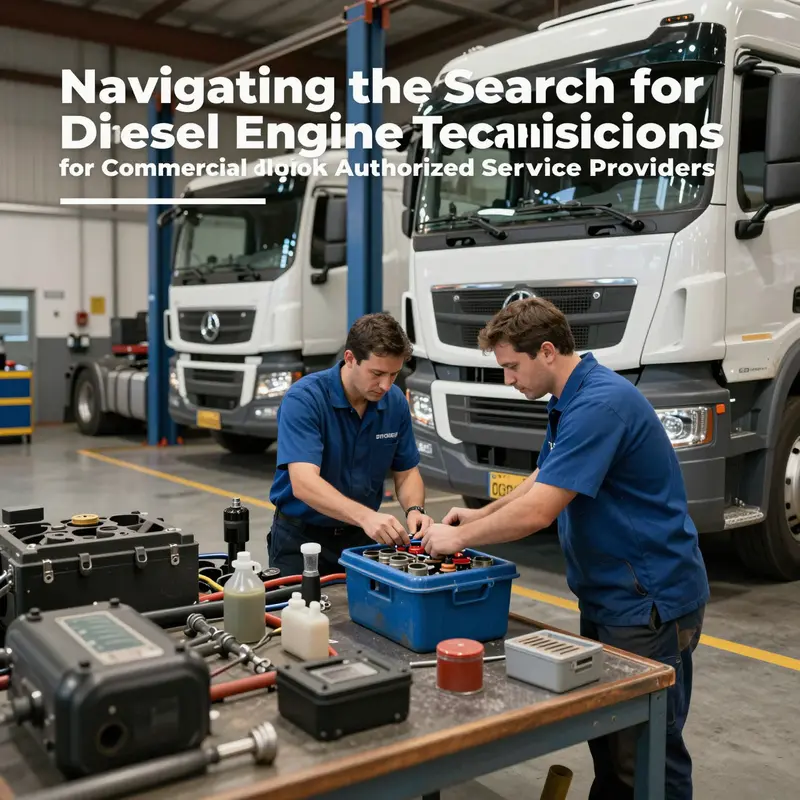
When fleets rely on diesel power, the skill and access of the service team is a strategic asset. The most reliable path to uptime is partnering with authorized service providers who carry official certifications across multiple brands and maintain direct access to factory data, diagnostic tools, and genuine parts. This creates a seamless capability that is hard to replicate with independents. It reduces the administrative burden on fleet managers who would otherwise coordinate visits to a patchwork of shops with varying training. An authorized network offers a single point of accountability, consistent workmanship, and faster execution when equipment is in the shop or on the road.
The core value goes beyond brand education. Authorized centers train on modern diesel powertrains, fuel systems, aftertreatment, and electronics, enabling technicians to interpret fault codes confidently and apply precise repair procedures. They gain early access to software updates and service bulletins, which helps preempt recurring failures. For fleets with mixed engines, a single authorized partner can translate model differences into actionable maintenance plans, ensuring routine service on one unit does not cause issues on another. The benefit is operational predictability that translates into higher uptime and lower risk of unexpected downtime.
A practical way to think about this ecosystem is a one-stop shop. With multi-brand authorizations, technicians can address routine maintenance, targeted diagnostics, software upgrades, and complex overhauls without switching partners. This minimizes the friction of coordinating multiple specialists, each with different data access, warranty policies, or return-to-service criteria. The outcome is a more streamlined maintenance cadence, fewer delays from miscommunication, and clearer cost and performance visibility across the entire powertrain portfolio. On-site support and direct factory diagnostics become a cornerstone of fleet reliability.
Selecting the right authorized providers starts with a real-world needs assessment. Map the fleet’s mix of engines, models, and duty cycles. Look for networks with official multi-brand approvals and demonstrable ongoing factory training. When evaluating prospects, request current certifications and the ability to access OEM diagnostic tools. Strong indicators include active factory licenses, recent training credits, and proof that technicians can work with the latest software and calibration procedures. Verify spare-parts sourcing and warranty pathways for parts and labor.
Beyond credentials, assess the provider’s physical capability. A robust facility footprint, up-to-date diagnostic workstations, and technicians who can perform standard maintenance as well as major overhauls are essential. Consider on-site capabilities and mobile diagnostic teams for dispersed operations, which can reduce downtime. The ability to access factory data remotely and perform calibrated adjustments on-site further strengthens fleet reliability.
A final advantage is the provider’s handling of regulatory and environmental upgrades. Authorized centers with OEM oversight can implement updates without voiding warranties, supporting renewal strategies and extending engine life. They stay ahead of regulatory changes with proactive recommendations aligned to fleet utilization and regional requirements. In practice, this means a technician who understands fault codes within the broader regulatory context.
The selection process should culminate in a pilot engagement. Start with a defined subset of vehicles, monitor uptime and repair turnaround, and compare against historical benchmarks. Use the data to refine service-level agreements and confirm scalability as the fleet grows. A clear plan should include on-site response times, remote diagnostics, documentation standards, and transparent pricing and warranty coverage.
Ultimately, working with authorized service providers promises consistent quality, unified standards, and enduring uptime. It is a disciplined approach that recognizes the complexity of modern diesel engines and the value of factory-backed support. By prioritizing official authorizations, multi-brand capability, and proactive maintenance alignment with regulatory requirements, fleets can secure a robust, scalable partnership that keeps vehicles on the road where they matter most. For further context, OEM-emissions discussions and case studies illustrate how these networks operate in practice.
Harnessing Professional Associations to Find Expert Diesel Engine Technicians for Commercial Trucks
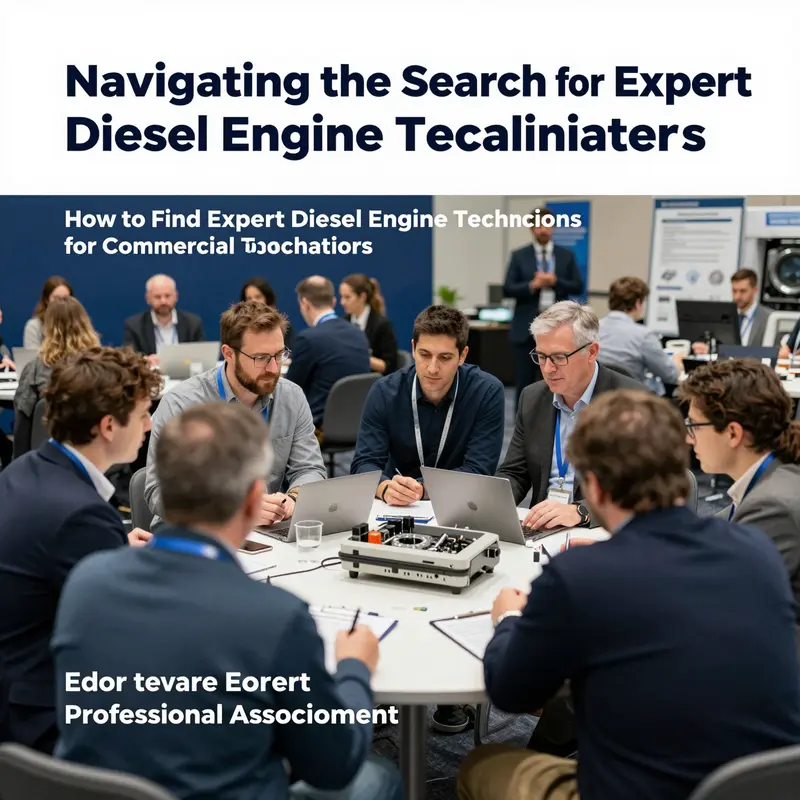
In fleet maintenance, the skill of the technician often makes the difference between smooth operation and costly downtime. When a breakdown halts miles and margins, the depth of diesel engine knowledge behind the repair becomes the silent multiplier of uptime. Relying on generic ads or broad job boards can fill seats, but it rarely yields specialists who truly understand heavy‑duty engines inside and out. A more deliberate approach is to lean into professional associations. These bodies curate networks of practitioners who pursue ongoing education, adhere to industry standards, and share a commitment to quality. For a fleet manager, this means tapping into a live channel where proven competencies are visible through credentials, committee work, and peer recognition. The challenge is not simply finding qualified people, but navigating a complex ecosystem to identify those who fit your engine platforms, regional regulations, and maintenance philosophy. A thoughtful search through associations can reveal technicians who excel at high‑pressure diagnostics, fuel system timing, aftertreatment management, and long‑term reliability. It also helps you sidestep churn by connecting with professionals who engage in peer review, not just payroll postings. This is a search for sustained capability, not a single, lucky hire.
One cornerstone is to join or consult industry‑specific associations, especially bodies with regional breadth and technical reach. The China Internal Combustion Engine Society, along with its Internal Combustion Power Intelligent Technology Branch, demonstrates how a formal network can coalesce expertise around core diesel questions. Members sometimes include leading researchers, senior technicians, and practitioners who contribute to standards development. The organization hosts specialized committees such as the Diesel Engine and Cylinder Gasket Branch and the Turbocharger Branch. These subgroups connect you directly to people who focus on the exact subsystems that power commercial trucks. When you approach these networks, you are not just seeking a name; you are engaging a community that validates knowledge through technical committees, journals, and peer review. You gain access to training calendars, certification lists, and reference materials that help you evaluate a technician’s readiness. In practice, a technician who participates in such forums is more likely to stay current with emission controls, advanced combustion strategies, and the latest diagnostic approaches.
Directories and networks within associations are more than lists; they are filtered channels. You can search by role, engine family, model familiarity, and geographic market. For example, a technician cataloged under a Diesel Engine and Cylinder Gasket Branch may also understand how turbocharger wear affects engine performance. Outreach through these networks lets you request case studies or brief technical narratives that illustrate real‑world problem solving. The right candidate will describe how they diagnosed a fault using data trends, how they validated a repair plan, and how they verified results after service. In some cases, association members publish white papers or present at conferences. This visibility signals not only skill but discipline—the capacity to translate theory into repeatable results on the shop floor. It is this combination of competence and accountability that differentiates an expert from a capable generalist.
Recognition within associations matters. The case of Tang Haiwei, a chief technician at a major engine maker, shows how R&D accolades translate into practical strength on the fleet. His work on dynamic measurement technology for high‑temperature moving parts was acknowledged as internationally advanced by the association’s community. A technician with such credentials brings a methodical approach to diagnostics, data collection, and component interaction. They tend to plan preventive measures around validated wear rates and performance curves rather than relying on anecdote. Of course, recognition alone does not guarantee availability, but it does elevate the trust you place in their judgment when you commit to longer‑term maintenance contracts or on‑site support. When you screen candidates, you should weigh their association credentials alongside OEM training certificates, shop‑floor performance metrics, and references from previous fleet clients. The combination offers a robust picture of both capability and reliability.
From a practical standpoint, you can build a sourcing and engagement framework around association participation. Start by mapping the engine platforms in your fleet and the certification requirements most relevant to those platforms. Then align outreach with the association’s directories and technical committees. If possible, request a short on‑site technical presentation or a diagnostic walkthrough, so you can assess communication skills, safety mindset, and collaboration with other technicians. Consider a structured engagement plan with an association partner that includes ongoing training days at your facility, joint maintenance clinics, or a trainee program that allows younger technicians to work alongside senior specialists. If you operate across borders, look for transfer programs or placement pipelines offered by industry groups. In Canada, for instance, HR‑focused programs can streamline hiring for fleets seeking skilled diesel techs. See this example of a Canadian placement program and its benefits: trucking-hr-canada-placement-program-benefits. This link is illustrative of how formal pipelines can shorten time‑to‑hire while preserving quality.
Finally, keep a multi‑channel mindset. Associations should feed your primary talent pool, but you will still benefit from corroborating with authorized service centers and certified technicians found through industry job boards. The most resilient approach blends association‑grade credibility with real‑world performance data gathered from references and trial services. Your decision framework should include measurable indicators: diagnostic accuracy, repair cycle time, accuracy of preventive maintenance planning, and post‑repair reliability. In practice, you’ll set expectations about response times for emergencies, on‑site support availability, and training commitments for the fleet’s technicians. A well‑designed program reduces downtime, extends engine life, and improves compliance with emissions and warranty terms. Each hire becomes not just a technician but a member of a learning ecosystem that continuously improves your fleet’s operational resilience.
For broader context on the standards and research underpinning this approach, many associations highlight cutting‑edge developments in diesel technology. You can explore the work of the China Internal Combustion Engine Society to understand how professionals cultivate expertise and disseminate knowledge across the industry. External resource: https://www.cies.org.cn/ . The bottom line is that professional associations serve as a bridge between academic insight and frontline service. When you build a recruitment strategy around this bridge, you gain access to technicians who keep pace with evolving engines, emissions regulations, and digital diagnostics. The outcome is a fleet that runs more smoothly, with fewer unplanned outages and better predictability in maintenance costs. The search may require patience, but the payoff is a cadre of specialists who bring consistency, precision, and resilience to your operations.
The Referral Path to Master Technicians: Finding Expert Diesel Engine Technicians for Commercial Trucks Through Referrals and Networking
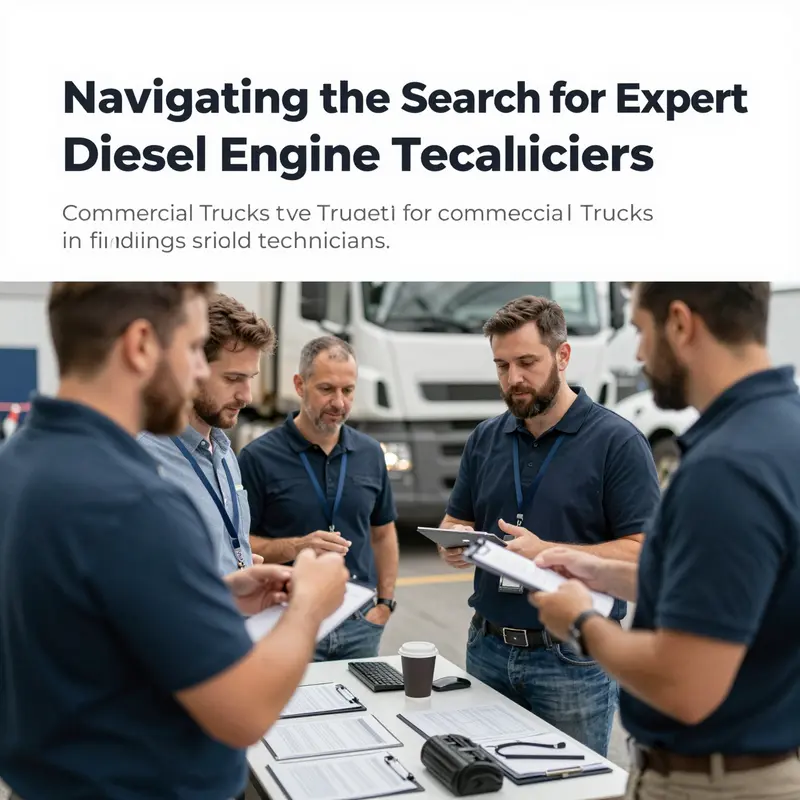
Finding truly expert diesel engine technicians for commercial trucks is less about a single resume and more about a reliable ecosystem built on referrals, relationships, and the right industry networks. In fleets that can’t tolerate downtime or misdiagnoses, the trust factor matters as much as technical know-how. A referral-built approach aligns with the realities of heavy-duty maintenance: technicians who have earned the confidence of peers, supervisors, and service centers tend to diagnose quickly, communicate clearly, and follow through with parts and procedures that keep a fleet moving. Instead of chasing ads or hoping for a perfect candidate to appear, you cultivate a living map of trusted professionals who have proven themselves under real-world pressures. The payoff is a roster of technicians who understand your equipment’s story, your operating cycle, and the nuanced demands of daily reliability. Yet referrals don’t happen by accident. They are cultivated through deliberate engagement with industry networks, peers, and the digital conversations that connect truckers, fleet managers, and maintenance leads across regions and disciplines.
A practical starting point is to lean into industry-specific networks where maintenance excellence is discussed and celebrated, not only advertised. Associations and local chapters bring together people who share responsibility for thousands of miles of highway and hundreds of engines. In these circles, a technician is often evaluated by the outcomes others have already witnessed: quick diagnostic turnaround, precise fault isolation, and repairs that stand up to rigorous duty cycles. By participating in these networks, you’ll hear about technicians who consistently deliver performance under pressure—those who earned their reputations through dependable service rather than through promises. This is especially important when your fleet operates in environments with extreme weather, high duty cycles, or specialized loads that demand exacting engineering knowledge. In such contexts, a referral carries the weight of communal validation, not just a personal endorsement.
To translate network whispers into concrete hires, start by mapping the kinds of expertise your trucks actually require. Your map should extend beyond a single model year or engine family and include diagnostic proficiencies, the ability to interpret OEM diagnostic software, and comfort with on-site, mobile, or shop-based work. Reach out to peers in similar operating segments—urban fleets, regional haulers, or long-haul operators—and ask for specifics: which technicians handled a challenging cylinder head issue last season, who reliably diagnosed a tricky turbo or fuel-system fault, and who communicated gaps in a diagnostic plan clearly and promptly. When a supervisor shares a name, treat it as a lead, not a verdict. Ask follow-on questions that surface not just what was fixed, but how the technician approached the problem, how parts were verified, and how the repair impacted uptime and future maintenance planning.
Online forums and professional platforms expand the reach of your referrals without sacrificing credibility. Dedicated communities where technicians, fleet managers, and drivers converge can be powerful sources of recommendations. Platforms that host industry discussions, maintenance stories, and real-world diagnostics give you a pulse on who consistently earns trust and who tends to overpromise. In these forums, you’ll also encounter cautionary tales and practical insights about diagnostic approaches, labor rates, and the realities of scheduling complex repairs in tight windows. When paired with firsthand experiences from your own network, these online conversations help you construct a more reliable picture of a technician’s capabilities before you invite them into a job or a trial engagement.
Another cornerstone of this approach is engaging with manufacturer-approved service networks. These centers employ technicians trained by the original equipment manufacturers, with access to diagnostic tools, software updates, and genuine parts procedures. Even if you don’t rely on a single brand exclusively, the assurance that a technician has completed OEM-aligned training and certification can dramatically reduce the risk of misdiagnosis and warranty complications. The value here isn’t simply a certification sticker; it’s the ability to leverage a structured diagnostic process, standardized torque specs, and factory-recommended service intervals. When downtime and repair quality are measured in hours rather than days, the difference between an OEM-trained technician and a non-certified one becomes tangible in your maintenance ledger and your vehicle availability.
A practical path to extending your referral network is to cultivate relationships with repair firms and mobile service providers that operate regionally or nationwide. These organizations often earn their reputation through repeat engagements with fleets similar to yours. The strength of a long-standing relationship lies in their willingness to stand behind diagnostics and repairs, to offer transparent pricing, to provide timely on-site responses, and to maintain continuity of service across multiple locations. When a repair partner has demonstrated reliability across a fleet’s entire footprint, their technicians become de facto extensions of your maintenance team. The core benefit is not only expert hands but a shared approach to problem-solving that respects your time windows, downtime costs, and long-term maintenance strategy.
Vetting referrals remains essential. Even the most trusted recommendations require verification. Start by requesting practical demonstrations of competence: a detailed account of a recent diagnostic challenge, the steps taken to validate the fault, and the rationale for the chosen repair path. Ask for references within similar operating contexts and for permission to contact those references directly. Where possible, arrange short site visits or shadowing opportunities so you can observe the technician’s workflow, communication style, and how they interact with your maintenance staff. Confirm credentials through recognized certifications, such as automotive service excellence standards that emphasize diesel engine diagnostics and advanced performance. ASE L2, for instance, offers a benchmark for diesel engine diagnosis and repair, and confirmation of ongoing continuing education signals a technician who stays current with evolving systems.
Beyond credentials, you want technicians who demonstrate a disciplined approach to diagnostic humility and continuous learning. The most skilled diagnosticians are those who acknowledge uncertainty, methodically test hypotheses, and involve your maintenance team in the diagnostic dialogue. They explain findings in plain terms, translate mechanical signals into actionable repairs, and align proposed work with your vehicle’s mission, uptime requirements, and parts availability. A good referral should come with a track record of clear communication during downtime events, accurate time estimates, and a documented history of successful repairs that improved reliability. In practice, this means asking for maintenance histories, post-repair validation notes, and, where relevant, performance metrics such as reduction in repeat fault codes or improved mean time between failures.
To operationalize referrals, consider creating a living roster of trusted technicians and service partners. This roster isn’t a one-shot list; it’s a dynamic catalog that you regularly update based on ongoing performance, feedback from drivers, and outcomes from completed jobs. A well-maintained roster makes it easier to scale maintenance as your fleet grows or your routes expand into new regions. It also provides a framework for emergency responses where rapid, high-quality diagnostics are essential. When you need to deploy expertise quickly, you can draw from a vetted pool rather than courting new candidates under the pressure of a downtime incident. For fleets expanding across borders or regions with varying technician availability, this roster becomes a strategic asset, enabling you to preserve uptime and maintain consistency in service standards.
For fleets looking to strengthen their recruitment and placement capabilities as part of the referral strategy, there are practical avenues worth exploring. Consider engaging with trucking HR programs that connect fleets with qualified technicians through structured placement services. These programs can help you codify your requirements, screen candidates against defined skill profiles, and align onboarding processes with your maintenance priorities. Trucking HR Canada placement program benefits offers a framework you can adapt to your own hiring philosophy without sacrificing the rigor of a referral-driven approach. The key is to treat people as long-term partners in your maintenance ecosystem, not one-off hires.
As you build and refine your network, remember that the goal is not merely to find a technician who can fix a problem once. It is to cultivate a dependable capability that consistently translates expertise into uptime, safety, and operational efficiency. The combination of industry networking, peer referrals, manufacturer-backed training, and carefully validated online discussions creates a robust funnel of talent. When aligned with formal certification standards and a clearly defined maintenance strategy, referrals become less about luck and more about cultivating a reliable talent pipeline that serves every mile of your operation. For fleets that rely on continuous, predictable maintenance, this approach is not optional; it is strategic resilience that keeps trucks moving and customers satisfied.
External resource: For industry standards and connections that support this approach, see the American Trucking Associations resource. ATA resource
From Campus to Fleet: Finding Expert Diesel Engine Technicians Through Trade Schools and Training Institutions
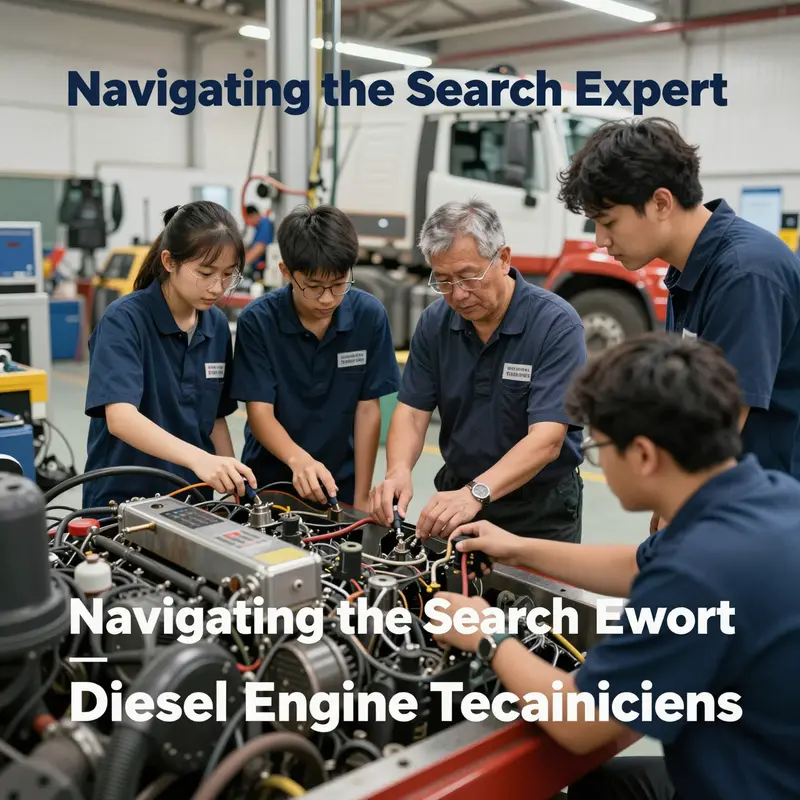
When a fleet relies on uptime, the quality of its diesel technician pool becomes a strategic lever. The most dependable path to experts who can diagnose and repair sophisticated engines, emissions systems, and electrical networks often runs through hands-on training found in trade schools and vocational programs. These institutions are designed to teach more than theory; they mold technicians who think in systems, interpret diagnostic data, and translate that insight into durable, repeatable maintenance. The approach you choose matters because a technician trained in a program aligned with current industry standards brings a higher level of readiness than someone with only on-the-job experience. That is especially true for commercial trucks, where engines are complex and the margin for error in diagnosis can be tight.
A strong sourcing strategy begins with identifying programs that emphasize real-world labs, live diagnostics, and exposure to a range of engine platforms, fuel systems, and emissions controls. Look for curricula that cover core engine systems, fuel injection, electrical diagnostics, and fail-safe troubleshooting, reinforced by the diagnostic tools and software used in daily shop work. Programs that integrate emission-reduction concepts, advanced engine management, and maintenance planning help create technicians who can anticipate wear patterns, optimize performance, and minimize downtime. It is not enough to find someone who can bolt parts back together; you want individuals who can interpret fault codes, trace root causes, and communicate findings clearly to fleet managers and fellow technicians so repairs are swift and reliable.
A critical element is the certification pathway. The industry recognizes credentials as credible signals of competence. In North America, ASE certification stands as a gold standard for automotive technicians, with credentials that validate engine performance knowledge, diesel-specific diagnostics, and advanced electrical work. When evaluating programs, ask about students’ exposure to ASE-aligned assessments and their ability to pursue L1 or L2 certifications while still in school or during paid internships. This alignment helps ensure a smoother transition into your maintenance team, since graduates already carry recognized credentials that the rest of the shop can trust.
Another layer of value comes from the partnerships schools cultivate with fleets and manufacturers. A program with an established internship pipeline, structured co-op placements, and clear job-readiness outcomes can shorten the time to a productive hire and reduce onboarding gaps. For fleet managers, this reduces the guesswork, skilling, reliability, and temperament become visible early. In practice, you might work with a school that places graduates in supervised shop rotations, calibrating them to your equipment mix and diagnostic workflows. Ask how the program tracks graduate outcomes: placement rates, time to first assignment, and the kinds of engines and systems recent graduates have worked on. When a school can show consistent placement data and a track record of producing technicians with diagnostic acumen, you gain confidence that the program is curating talent with the right blend of theory, practice, and professional readiness. It is also useful to discuss how instructors stay current with industry developments, whether through factory partnerships, continuing education modules, or access to diagnostic simulators that replicate maintenance scenarios across multiple brands and models.
To turn sourcing into a reliable pipeline, treat trade schools not merely as a supply of potential hires but as partners in a broader workforce strategy. Arrange campus visits or shop-time demonstrations that mirror your real-world vehicles and diagnostic challenges. Seek evidence of practical outcomes: graduate placement data, the breadth of hands-on experience, and how quickly new technicians become productive in your shop. A program that demonstrates a tangible track record of turning students into valued contributors reduces onboarding time and expands your operational capacity sooner. Align the onboarding plan with your fleet’s needs. If your operation relies heavily on heavy-duty platforms, prioritize programs that emphasize engine fundamentals and diagnostic workflows that will be reused daily. If you manage a mixed fleet, look for exposure to diverse platforms and interfaces so technicians can switch between systems without long ramp-up periods. By cultivating a pool of graduates who are technically proficient and adaptable, you create a core team capable of handling a wide service scope with less external dependence.
Effective education partnerships also benefit from clear career progression and ongoing skill uplift. Establish a structured path that begins with paid internships or co-ops, followed by an entry-level role and a defined ladder to mid-level diagnostic work or specializations such as electrical troubleshooting or emissions optimization. A transparent development plan signals your commitment to technician growth and enhances retention. It also helps you allocate training resources strategically, balancing classroom learning with shop-floor mentorship. When technicians see a pathway to mastery and advancement, the recruiting process becomes more attractive to top candidates who seek long-term career value rather than a temporary posting.
Another benefit of trade-school partnerships is the potential for shared accountability. Schools can help you monitor workforce outcomes, while you provide real-world feedback that refines curricula and keeps training aligned with evolving fleet technologies. This feedback loop reduces misalignment between what students learn and what shops actually need, a common source of ramp-up friction for new hires. It also creates a reputational advantage: your shop joins a network of forward-looking employers who value practical competence, sustainable maintenance practices, and professional growth. In parallel with formal education, maintain relationships with authorized service providers and industry associations that offer targeted certifications, hands-on workshops, and events where you can meet technicians in informal settings. The combination of a strong school partnership and ongoing external training keeps your team current with evolving engine technology and maintenance practices, supporting uptime, safety, and long-term cost efficiency.
For readers exploring this approach, a practical next step is to examine the trucking HR Canada placement program benefits, which can help you articulate the commercial case for a formalized training-to-hire pathway with clear expectations and outcomes. See the details in the related blog post. Trucking HR Canada placement program benefits: https://truckplusllc.com/trucking-hr-canada-placement-program-benefits/. For external resources on formal diesel technician training, explore broader industry perspectives through the UTI program and related coursework. External resource: https://www.utias.com
Final thoughts
In summary, finding expert diesel engine technicians for commercial trucks is a multifaceted endeavor that requires strategic approaches. By utilizing specialized job boards, engaging authorized service providers, leveraging professional associations, networking effectively, and tapping into skilled graduates from trade schools, fleet managers and procurement teams can secure qualified technicians. This investment not only enhances fleet performance but also ensures reliability and safety on the road, ultimately supporting the broader logistics and transport objectives.