
Efficient tracking of commercial trucks is essential for logistics companies, construction ventures, and small delivery businesses seeking operational excellence. The capabilities of modern tracking technologies enhance visibility, improve safety, and streamline operations across the board. This article explores four authoritative approaches to tracking commercial trucks, enabling procurement teams and fleet owners to make informed decisions. Each chapter delves into the significance of fleet management systems, government apps, logistics partnerships, and third-party applications, integrating a holistic understanding of available options tailored for your needs.
Beyond Location: Harnessing Fleet Management Systems for Real-Time Visibility and Efficient Truck Tracking

Fleet management systems (FMS) have evolved from simple position beacons to sophisticated, cloud-based ecosystems that fuse location data with a spectrum of operational insights. In the modern logistics landscape, tracking a commercial truck is less about knowing where it is at a single moment and more about understanding the vehicle’s behavior, its context on the road, and how it fits into the broader supply chain. At the core, FMS rely on GPS or similar satellite positioning, then layer that data with communications, analytics, and an interface that makes sense to dispatchers, drivers, and customers. The result is continuous visibility that transcends a mere dot on a map. A truck can be followed in real time, but what truly matters is the stream of decisions that can be made from that stream of data—decisions about safety, timing, cost, and service quality. Real-time tracking is the gateway; context is the value, and context comes from the integrated features that FMS bring together in a single, coherent platform. This is why fleets invest in these systems not merely to locate trucks but to optimize the entire operation around them.
Real-time tracking is the most immediate benefit. A GPS-enabled device on the vehicle transmits location data, speed, and sometimes engine diagnostics to a cloud-based platform. Dispatchers see the truck’s position on a map, but they also access a timeline of the vehicle’s movements, a log of stops, and alerts if the truck diverges from an approved route or exceeds a specified time window. This visibility supports proactive management rather than reactive firefighting. When a delay occurs—perhaps a traffic incident or an unexpected detour—the system can suggest rerouting, rescheduling, or interim handoffs. This is not mere surveillance; it’s a decision-support tool that helps maintain service levels while reducing fuel burn and idle time.
One of the most impactful capabilities of modern FMS is enhanced route optimization. These systems analyze traffic patterns, road conditions, weather, and delivery windows to propose routes that minimize congestion and travel time. They don’t simply recalculate a path; they consider the entire mission profile: driver hours, mandatory rest periods, delivery commitments, and the interplay with other vehicles in the fleet. The optimization process often runs continuously, updating routes in response to live conditions. The payoff is tangible: shorter trips, smoother transitions between stages of the route, and lower fuel consumption. In practice, this means fewer late arrivals and more predictable service for customers. It also enables better disciplining of schedules, so drivers experience steadier workloads and travel times, contributing to morale and retention in a demanding industry.
Customer service benefits extend from practical timing improvements to the credibility that real-time updates confer. When a customer can see the live location of a shipment and receive an ETA that reflects current conditions, trust grows. The ability to share precise ETAs, adjust expectations, and communicate delays transparently differentiates a carrier in a crowded marketplace. FMS also capture historical data that can be turned into performance reports for customers, showing on-time delivery rates, average transit times, and adherence to promised windows. In many operations, these features become a selling point, converting reliable tracking into competitive advantage. The systems can also automate notifications to customers at key milestones, reducing the administrative burden on the human team while maintaining a high standard of service.
Safety and driver assistance are increasingly central to fleet management. Integration with driver-assistance technologies—such as adaptive cruise control, lane-keeping support, and other automated or semi-automated systems—creates a closed loop between vehicle dynamics and fleet oversight. FMS can log events such as harsh braking, rapid accelerations, excessive speeding, and routing-related risk exposures. This not only supports coaching and safety programs but also feeds into maintenance planning. When a vehicle experiences unusual patterns, the system can flag potential issues before they become failures. In high-mileage operations, proactive safety measures reduce fatigue, enhance precision on a highway, and limit the probability of costly incidents. The result is a more resilient fleet that protects drivers and cargo alike.
Compliant operations are another cornerstone of fleet management. Regulatory requirements—such as hours-of-service (HOS) logging, driver qualification files, and emissions standards—demand meticulous record-keeping and auditable processes. FMS help automate these tasks by correlating driver logs with the actual movement of the vehicle, ensuring accurate reporting and easier retrieval during audits. Emissions data can be tracked and analyzed, enabling fleets to identify efficiency improvements that simultaneously reduce environmental impact and regulatory risk. Predictive maintenance, powered by data from engine diagnostics alongside usage metrics, complements compliance by preventing breakdowns that could lead to late deliveries or regulatory penalties. In short, FMS create an integrated compliance and operations platform that aligns day-to-day management with long-term corporate governance objectives.
The predictive maintenance capability is increasingly central to the economics of modern trucking. By aggregating data from multiple sensors and from the vehicle’s own electronic control units, a fleet system can anticipate mechanical wear and component failure before it happens. That foresight translates into fewer unscheduled repairs, longer asset life, and steadier service levels. It also informs maintenance windows in a way that minimizes disruption to the delivery schedule. This prescriptive approach—knowing not just what needs attention, but when and why—allows maintenance teams to plan around peak demand periods, reducing downtime and extending the lifespan of the fleet’s assets. The broader ITS (intelligent transportation systems) ecosystem reinforces this by providing context about road conditions and traffic flows, further refining maintenance planning and operational timing.
Beyond the obvious operational gains, fleet management systems create a more data-driven approach to what used to be intuition-based decision making. The aggregation of location, velocity, fuel usage, engine health, and driver behavior into a single dashboard means managers can see correlations that were previously hidden. For example, they might discover that certain routes consistently yield higher fuel consumption due to elevation changes or that a particular driver’s route choices reduce idle time without compromising delivery commitments. Such insights enable not just reactive corrections but proactive policy design: optimized load planning, revised driver schedules, and smarter asset deployment. The result is a more resilient, adaptable, and financially sustainable operation. In this sense, FMS act as the nerve center of the modern trucking enterprise, translating raw movement into actionable intelligence that informs every decision from dispatch to maintenance to customer communication.
As the field evolves, the integration of fleet management with broader supply chain platforms becomes increasingly seamless. Real-time truck visibility feeds into warehouse planning, inventory rotation, and last-mile logistics, creating end-to-end visibility that strengthens the entire chain. The analytics layer, often powered by machine learning and advanced visualization, surfaces trends such as seasonality in demand, recurring bottlenecks, and geospatial patterns of risk. For managers, this means not just knowing where a truck is, but understanding how its trajectory affects throughput, service levels, and cost structure across the network. The ability to simulate scenarios—what-if analyses that alter dispatch criteria, driver rosters, or preventive maintenance schedules—enables more sophisticated decision-making and risk management. In practical terms, this translates to smoother handoffs between shippers, carriers, and receivers, more reliable delivery windows for customers, and a more predictable rhythm for every link in the chain.
A final but essential dimension of fleet management systems is governance and access control. With the breadth of data captured, it becomes critical to define who can view what, and under what conditions. Authorized users—fleet managers, dispatchers, compliance officers, and even customers in some models—need appropriate access to the right data. Role-based permissions, secure authentication, and data privacy considerations help prevent misuse or exposure of sensitive information. This governance layer ensures that the powerful capabilities of FMS are applied responsibly, protecting driver privacy while enabling operational excellence. When done well, governance reinforces trust among stakeholders, from drivers who value their privacy to customers who rely on accurate, timely information about their shipments.
The decision to implement or upgrade a fleet management system is rarely about a single feature. It is about aligning technology with strategic priorities: service reliability, cost efficiency, safety, compliance, and asset longevity. For a fleet operator, the choice of system should reflect how the organization plans to grow, how it manages risk, and how it engages customers. It should support a culture of continuous improvement, turning data into decisions and decisions into better outcomes on the road. In this light, the value of FMS is not merely in the ability to locate trucks, but in enabling a tightly orchestrated, intelligent operation where each vehicle, each driver, and each delivery contributes to a coherent, competitive performance. As discussions in industry analyses and peer-reviewed insights suggest, staying ahead in trucking today means embracing a data-forward approach that translates real-time visibility into strategic advantage. For readers seeking a deeper dive into how real-time visibility translates into fleet efficiency, an external perspective highlights how tracking systems reshape performance at scale. See the external resource below for a richer, broader context on this transformation.
Within this framework, even a chapter-level reflection on implementation can reveal critical factors that influence success. The installed hardware must be compatible with the software platform, and it must be appropriate for the fleet’s scale and geography. Access rights should be clearly defined, with safeguards to protect personal data and proprietary information while allowing operational teams to perform their duties without friction. Training is not optional; it is essential for adoption. Drivers should understand how telematics tools relate to their daily safety and performance, not simply to surveillance. Managers should learn to read the analytics, not just the maps. When these human factors align with robust data infrastructure, the resulting improvement in service levels, driver satisfaction, and cost efficiency compounds across the organization. It becomes clear that fleet management is not a single capability but an ecosystem, one that integrates technology, people, policy, and partnerships into a living, adaptive system that keeps freight moving smoothly in a complex, dynamic world.
For those exploring this landscape, it is useful to acknowledge the broader conversations that frame why fleet management matters. The economic forces shaping trucking—capacity, demand, and rate volatility—intersect with technology to redefine how multi-stop shipments are planned and executed. The literature and industry reports frequently emphasize the need to optimize assets in a world where margins tighten and expectations for reliability rise. The point is not merely to track a truck but to harness the data-rich environment around it to optimize every link in the chain—from route selection and fuel management to driver safety and regulatory compliance. In that sense, fleet management systems function as a disciplined approach to logistics excellence, turning movement into measurable value and uncertainty into managed risk.
As you consider your next steps, remember that the strength of a fleet management system lies in its ability to scale and adapt. Real-time visibility, when combined with intelligent routing, maintenance prediction, and compliance analytics, delivers a virtuous cycle: better decisions catalyze improved performance, which in turn creates more data to refine those decisions. The outcome is a more predictable operation with a clear handle on cost, service, and safety. If you want to explore a related discussion on how broader market trends influence fleet decisions, you can read about trucking economic trends affecting trailer orders in the linked external discussion. Trucking economic trends affecting trailer orders.
In sum, fleet management systems are not simply tracking tools. They are the connective tissue that binds location, condition, performance, and policy into a single, actionable framework. They enable fleets to see more clearly, act more quickly, and commit to higher standards of reliability and accountability. They turn the challenge of moving goods through a complex network into an organized, data-backed, continuously improving enterprise. The chapter that follows builds on this foundation by examining how individual components—telemetry reliability, driver behavior insights, and maintenance intelligence—combine to reduce risk and raise throughput in real-world operations. And while the specifics can vary by fleet size and market, the core principle remains constant: visibility without insight is merely monitoring; visibility with insight is performance.
Gatekeepers of the Highway: How Government Fleet Apps Track and Safeguard Commercial Trucks

Government fleets are increasingly turning to specialized digital tools to supervise, protect, and optimize the movement of commercial trucks. The aim is not merely to locate a vehicle in real time, but to weave together positioning data, route validation, safety metrics, and usage governance into a single, auditable picture. In practice, these government-led fleet apps pull together satellite positioning, digital mapping, and communications streams from onboard units to illuminate how a vehicle travels, where it stops, and how its operation aligns with public policy and safety standards. The result is a layered intelligence system that supports dispatch decisions, protects public resources, and discourages misuse of high-value vehicles. The core logic is simple in concept yet powerful in scale: data from a vehicle’s travel becomes accountable information for regulators, operators, and the public alike. Real-time visibility is paired with historical analysis so authorities can verify routes, respond to incidents, and quantify performance over time. This approach helps ensure that each trip is consistent with the mission, budget, and safety rules that govern official and high-risk fleets, while still allowing legitimate commercial activity to proceed smoothly for the economy and the citizenry it serves.
A central government vehicle management platform anchors this ecosystem. It is designed to integrate satellite positioning with geographic information systems and the mobile networks that feed constant updates from smart onboard units. The online dashboard gives authorized personnel a consolidated view of key vehicles across provincial and municipal boundaries, so dispatch decisions can reflect both current conditions and policy constraints. One of the platform’s enduring strengths is its ability to connect multiple data streams: location data, status indicators from vehicle sensors, and cross-checks against tolling records and inspection results. When a vehicle crosses a toll booth, for instance, the system can verify that it accessed the proper lanes, paid the correct fees, and did so in a manner consistent with approved routes. This kind of end-to-end traceability is invaluable for internal audits and for demonstrating compliance with safety and security standards that apply to government and high-risk fleets. The transparency created by this integration also deters improper use by making discrepancies easier to detect, whether they involve unauthorized trips, excessive idle time, or deviations from approved routes.
Beyond raw location data, these government apps are increasingly empowered by technology that adds nuance and timeliness to the picture. Real-time monitoring feeds are augmented by alerting rules that flag anomalies—unreported vehicle use, unusual speed patterns, or deviations from assigned schedules. In a modern fleet operations context, an anomaly might trigger a workflow: notify a supervisor, ping the vehicle’s last known location, and require a human review before the vehicle proceeds with its next leg. The driving force behind this capability is a shift toward AI-powered telematics that interpret streams of sensor data to identify what constitutes normal behavior for a given vehicle and a given mission. While the specifics vary, the overarching goal remains the same: to reduce risk, improve safety outcomes, and ensure that every mile traveled contributes to the public interest rather than inadvertently undermines it.
The governance architecture of government fleet apps also emphasizes accountability and auditability. Data is time-stamped, access-controlled, and stored in a way that supports retrospective investigations. Central to this is the governance of who can see what data, and under what circumstances. Access is typically restricted to roles such as fleet managers, dispatchers, compliance officers, and oversight authorities. This controlled access helps preserve privacy where it matters and ensures that sensitive operational details are not exposed beyond those with a legitimate need. In practice, this means that a supervisor can review a vehicle’s trip history, fuel usage, and maintenance events, while a policy-maker can analyze aggregated trends without ever needing access to individual driver identities. In an era of heightened scrutiny over data and privacy, the architecture aims to balance operational usefulness with responsible stewardship of information.
A notable architectural feature of government fleet apps is the tight integration with national positioning and navigation ecosystems. In many jurisdictions, this means combining satellite-based positioning with ground-based augmentation systems to maintain accuracy across a broad range of environments. When vehicles are deployed in regulated operations, the system can validate positional data against official road networks and beacons, and it can tie each device’s identity to the appropriate permit or license. This level of cross-checking reduces the likelihood of misreporting and improves the reliability of the overall tracking signal. It also enables fine-grained supervision: authorities can verify not only where a vehicle is, but where it has been and how its route compares to the approved plan. The end result is a robust, accountable, and auditable record that supports both operational efficiency and regulatory compliance.
A broader benefit of these government-led solutions is their potential to align public safety with economic activity. By providing real-time visibility and predictive insights, authorities can respond more quickly to incidents on the road, coordinate detours around hazards, and manage traffic impacts that arise from the movement of official fleets. The same data streams that inform safety decisions can also guide resource allocation. For example, if a government vehicle is delayed by congestion on a particular corridor, the control center can adjust dispatch priorities to minimize delays on critical missions. In this way, the fleet becomes not a burden on the system but a model for how large-scale operations can harmonize public objectives with logistical realities.
A more nuanced dimension of government fleet apps is the relationship to private sector and cross-border operations. Public fleets often work in concert with commercial contractors and third-party logistics providers who serve government agencies or critical infrastructure. In these partnerships, the same tracking and governance principles apply, but access rights are tailored to reflect the different stakeholder needs. For customers and partners, the government’s digital platforms can offer visibility into delivery status and compliance signals without exposing sensitive internal controls. This collaborative model helps ensure that regulated transport remains transparent, traceable, and aligned with overarching policy goals, while preserving the confidentiality needed to protect competitive and security-sensitive information. The result is an ecosystem in which the lines between public oversight and private execution blur—not in a way that reduces accountability, but in a way that strengthens it through shared data, common standards, and transparent processes.
Among the features that often surface in these platforms are real-time status dashboards, route verification tools, and integration with electronic toll collection and video surveillance at critical nodes along major freight corridors. The real-time view is more than a map; it is a dynamic picture of how a fleet operates across a region. Route verification helps confirm that a vehicle followed an approved path, which is essential for audits and for ensuring that official assets are used appropriately. Video surveillance at tolls or border checkpoints complements the location data by adding a layer of verification that can be crucial when disputes arise about a vehicle’s route or motive. These capabilities are particularly important for high-risk operations or for fleets that operate under tight regulatory constraints. In parallel, centralized monitoring systems feed analytics that help authorities plan better infrastructure use, allocate enforcement resources, and design policies that reflect actual traffic patterns and operational realities.
The discussion of government fleet apps would be incomplete without acknowledging practical access considerations. Not every user can or should view every piece of data. Access control is deliberate and granular, designed to ensure that only qualified individuals can see sensitive information. For fleet managers within a public agency, the tools may be highly detailed, showing live locations, engine data, and driver behavior signals. For policy analysts, the same platform can generate aggregated indicators without exposing individual vehicle traces. For external partners and suppliers, access is often limited to status and delivery information relevant to their contracts. This layered access model preserves operational integrity while enabling collaboration where appropriate. It also supports continuous improvement, because observers at different levels can identify patterns, test hypotheses, and propose changes to routes, schedules, or maintenance regimes based on solid data.
To illustrate the broader ecosystem, consider the way government fleet apps coexist with other tracking capabilities. While dedicated fleet management systems remain the backbone for day-to-day supervision, government platforms often interact with government-approved telematics standards and government-maintained reference data such as road networks, tolling schemas, and inspection regimes. In some cases, there is a move toward more integrated solutions that connect with AI-assisted safety features and driver behavior analytics. The underlying objective is to maintain a reliable, safe, and accountable transport system that serves the public interest while supporting legitimate government and commercial needs. This is not a retreat from the market, but a maturation of how public stewardship translates into operational excellence across the freight landscape.
From a policy perspective, one of the enduring questions concerns how such tools should evolve. Regulators recognize the value of real-time visibility, but they also recognize the risks of overreach and potential privacy concerns. A balanced trajectory involves establishing clear data governance policies, including data retention periods, rights of access, and prescribed uses of the information. It also means setting transparent performance metrics and audit trails so stakeholders can assess whether the system is delivering the intended public benefits. In practice, this means ongoing refinement of rules around data sharing, incident reporting, and the thresholds for automated alerts. It also means ongoing dialogue with drivers and operators to ensure that the tools remain fair, effective, and respectful of individual rights while protecting the collective safety and efficiency of essential services.
As these government platforms mature, they also begin to interface more explicitly with the private sector and cross-border operations. The same core technologies—GPS-based tracking, GIS-enabled routing, and secure data exchange—support a broader ecosystem in which official missions, commercial logistics, and regional planning reinforce one another. This convergence offers practical advantages: more predictable delivery windows for critical supplies, better coordination with responders during emergencies, and a clearer picture of how freight movements affect regional mobility. It also raises important questions about interoperability and standards, which is where the advisory role of policy and governance becomes crucial. When different jurisdictions operate with aligned data models and shared protocols, the value of tracking increases while the complexity of managing it decreases. The overarching narrative is one of responsible stewardship, enabled by technology, that keeps the movement of commercial trucks aligned with public priorities rather than allowing it to drift into an operational vacuum.
For readers considering how government tracking capabilities relate to their own work, the key takeaway is this: the most effective tracking approach treats position data as a governance instrument as much as a logistical tool. It requires robust technical foundations, disciplined access controls, and an explicit policy framework that guides how data is used, analyzed, and shared. It also requires a recognition that safety, transparency, and accountability are not optional add-ons but fundamental design principles. When these elements come together, government fleet apps can elevate public safety, improve efficiency, and create a trusted environment in which both public agencies and private partners can operate with confidence.
To connect these ideas to the broader landscape of fleet tracking, consider how policy considerations intersect with emissions and regulatory compliance. As fleets adopt more advanced telematics and AI-assisted monitoring, the question of how these tools support or constrain emissions management becomes central. The industry benefits when there is clarity about allowed uses, data rights, and the way automated alerts translate into actionable enforcement or optimization measures. You can explore this topic further through a related discussion on industry standards and regulatory clarity, which is framed around the sentence: OEMs seek clarity in emissions regulations OEMS seek clarity in emissions regulations.
The practical takeaway for practitioners is that government fleet apps are not a distant public-sector curiosity but a living, evolving backbone of modern freight governance. They offer real-time visibility, robust auditing, and actionable analytics that help ensure those important moves on the map are conducted safely, legally, and efficiently. As technology advances, these platforms will continue to integrate more data sources, refine alerting rules, and broaden the scope of oversight in ways that support both public safety and private sector viability. The result is a more resilient transportation system where accountability and reliability are built into the fabric of every official journey and every sanctioned private collaboration. External references and official guidance on this trajectory can be found in the public documentation tied to national fleet governance frameworks, which provide the authoritative context for how these tools operate in practice.
Coordinating the Network: How Logistics Partnerships Elevate Real-Time Truck Tracking Across the Supply Chain
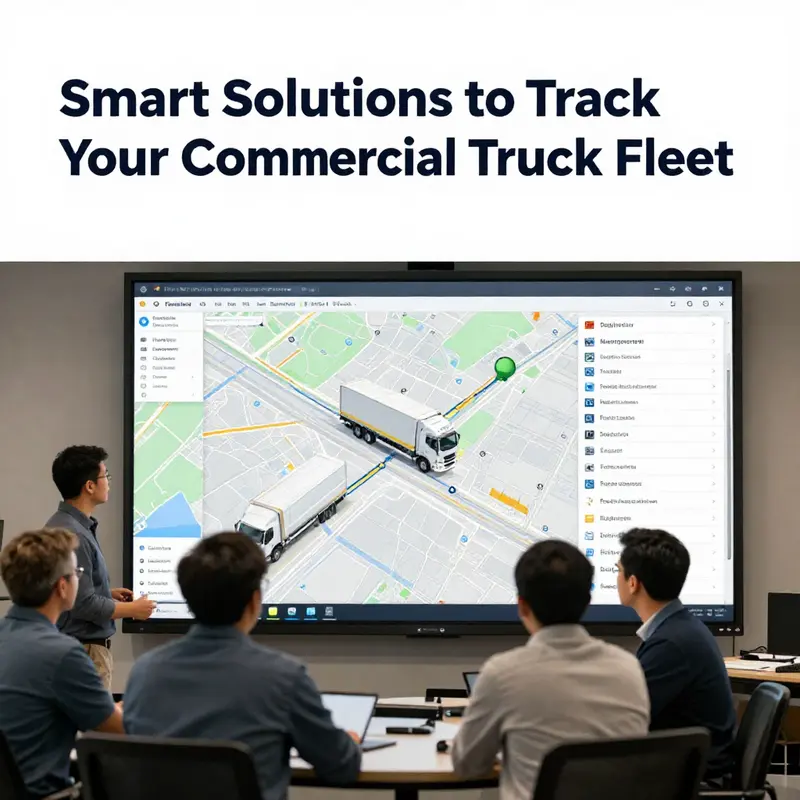
Tracking a commercial truck is rarely a solo act. The most reliable picture of where a vehicle is, and what it is likely to do next, emerges from a disciplined network of partnerships that weave together technology, processes, and people across the entire logistics ecosystem. This chapter explores how logistics partnerships become the invisible engine behind real-time tracking, translating discrete signals from telematics into actionable visibility for shippers, carriers, and receivers. The idea is simple in principle: when data flows freely and trust anchors the exchange, tracking ceases to be a series of snapshots and becomes a continuous, orchestrated narrative of a shipment in motion. The practical reality, of course, is more nuanced. It requires standardized data exchange, interoperable systems, and a shared commitment to performance that aligns incentives across a diverse set of actors, from carriers and brokers to port authorities and manufacturing hubs. In this sense, partnerships are not a luxury; they are a prerequisite for the kind of end-to-end visibility that modern supply chains demand.
Real-time visibility rests on a triad of data, access, and governance. At the heart of every robust tracking solution is a fleet of connected devices on the truck—GPS sensors, engine diagnostics, fuel usage, and sometimes environmental monitors for temperature-sensitive cargo. But the device is only the source of data; the real value comes when that data streams through a common platform that can translate raw coordinates into meaningful events. Here, logistics partnerships come into play by providing the connective tissue: data standards that ensure a telematics feed from one carrier can be interpreted by a shipper’s control tower, practice-based APIs that let disparate systems talk to one another, and governance frameworks that build trust about who can access what, and under what conditions. When these pieces are aligned, the same shipment can be tracked across multiple legs and multiple owners of the journey with a cohesion that would be impossible if each party kept its data locked behind separate walls.
One of the most visible benefits of a mature logistics partnership is real-time visibility with a level of control that goes beyond a map dot. Modern collaborative networks use digital platforms that aggregate inbound and outbound movements, consolidating location data, ETA recalculations, and exception management into a single pane of glass. The beauty of this arrangement lies in its feedback loops. If a carrier detects a delay at a border crossing or a load is misrouted at a terminal, the system can immediately alert all stakeholders and trigger a predefined set of countermeasures. Dispatchers can reallocate capacity, manufacturing can adjust production schedules, and customers can re-plan inventory replenishment without the frantic last-minute calls that used to characterize disruptions. In practical terms, this means that a single late moment on a single leg does not cascade into a cascade of cascading delays, because the partnership has already baked in contingency options and transparent ownership of the corrective steps.
Geography also plays a pivotal role in how partnerships enhance tracking, especially with proximity to major ports. In regions where the logistics fabric is anchored by gateways like large ports, the speed and reliability of dispatches are amplified by the proximity to a dense network of service providers, transloading facilities, and cross-border corridors. Integrated sensing systems at these hubs feed into collaborative platforms, tightening the loop between ship arrival times, terminal handoffs, and onward trucking. The consequence is a more accurate forecast of delivery windows and a sharper ability to plan for peak periods. For shipments that cross borders or require multi-mode handoffs, the partnership framework acts as a mediator, translating port operations into actionable data points that can be synchronized with inland routing, warehousing, and last-mile delivery. The result is a chain that feels less like a sequence of independent legs and more like a single, continuous process with a unified clock.
Performance metrics provide the most tangible evidence of a partnership’s effectiveness. Across well-aligned networks, on-time delivery rates routinely exceed conventional benchmarks, and reorder rates—while still a concern—reveal how well suppliers anticipate demand and align capacity with customer needs. When partners share a common scorecard, the emphasis shifts from blaming a single carrier for a missed window to diagnosing the end-to-end choke points. This is not merely about speed; it is about reliability and predictability. A 95% on-time rate, for example, is not just a statistic; it is a signal of disciplined capacity planning, synchronized scheduling, and disciplined yard operations at both ends of the journey. Similarly, a higher reorder rate can reflect strong customer service and consistent product availability, but it can also highlight planning gaps that a close collaboration can close. The beauty of a partnership-driven approach is that it reframes failures as shared challenges and treats improvements as collective wins.
Strategic planning and execution are inseparable from the health of a tracking network. A truly effective partnership does more than share data; it co-creates planning processes that reduce late delivery penalties and free up working capital. When manufacturers, carriers, and logistics providers align around a joint forecast, they can tune capacity to anticipated demand, negotiate more favorable terms, and invest in assets that improve resilience. This includes not only transport capacity but also the digital infrastructure that enables tracking. A joint governance model, with clearly defined roles, data-sharing policies, and performance commitments, creates a predictable operating environment where all parties know what to expect and how to respond when conditions change. In such a setting, capacity becomes a strategic asset rather than a cost center, and a robust tracking capability becomes a competitive differentiator, enabling customers to manage exceptions with confidence and to plan for contingencies that would have previously caused costly disruptions.
Beyond the numbers, partnerships inject a human-centered discipline into tracking. They create a culture of proactive communication, where alerts are not merely warnings but invitations to action. Drivers and dispatchers become collaborators in the visibility ecosystem, sharing real-time updates through well-defined channels, while customers gain access to dashboards that reflect the shipment’s status in near real time. This shared situational awareness reduces miscommunication, speeds decision-making, and fortifies the trust that underpins commercial relationships. It is not enough to know where a truck is; the aim is to know how the network plans to respond to what the truck’s position implies for downstream operations. When trust is the currency, data quality becomes the obligation, and the willingness to coordinate schedules, share anomalies, and adjust plans becomes the default operating rhythm.
A central virtue of logistics partnerships is their capacity to bridge gaps between different segments of the supply chain. In many networks, carriers operate with a degree of autonomy that is essential for flexibility but can create friction when it comes to data standards or access permissions. Partners who invest in interoperable platforms reduce these frictions by adopting common data schemas, shared event codes, and standardized performance reporting. This interoperability enables a more accurate and timely view of the shipment, from the moment a vehicle leaves a loading dock to the moment it arrives at the destination. It also supports more nuanced analytics, such as route optimization that accounts for port congestion, weather patterns, and dynamic lane density. When explored collectively, these elements reveal why partnerships matter not only for visibility but for the strategic optimization of the transportation network as a whole.
The strategic value of proximity to hubs and the disciplined use of data do not occur in a vacuum. They cascade into other operational improvements that enhance the integrity of truck tracking. For instance, the synchronized planning of pickup windows and delivery slots reduces dwell times and improves yard utilization, both of which feed back into more accurate ETAs. A well-tuned network also helps with risk management by enabling more precise scenario planning. If a strike at a terminal or a sudden policy change affects a corridor, collaborative partners can immediately recalibrate routes, allocate alternatives, and communicate revised expectations to customers. The outcome is a more resilient supply chain, capable of absorbing shocks with less escalation and fewer penalties. In this sense, tracking becomes a strategic capability rather than a reactive function.
To illustrate the practical implications of these ideas, consider how a trailer orders and truckload margins shape the way partners coordinate capacity and timing. When the economics of asset utilization are favorable, partners are more willing to invest in cross-functional integrations, shared dashboards, and unified service-level expectations. This alignment elevates tracking from a reporting exercise to a decision-making engine. For stakeholders who want to dig deeper into how capacity decisions influence tracking quality, the topic maps to the broader economics of the network and its ability to sustain reliable, predictable service even in the face of volatility. It is this convergence of economics, data interoperability, and proactive governance that makes a logistics partnership so powerful for real-time truck tracking.
In terms of governance, successful partnerships embed clear, durable commitments about data access, privacy, and security. They define who can see what, when, and how, ensuring sensitive information remains protected while still delivering the transparency required by customers and regulators. The standards-sparing approach—where each participant agrees to share essential data without overexposing proprietary information—fosters an environment where trust can thrive. When vendors, brokers, and shippers buy into this framework, the daily operation becomes smoother: fewer disputes, faster issue resolution, and more consistent data quality that feeds back into the tracking ecosystem. The result is a virtuous cycle in which reliable data improves decision-making, which in turn strengthens the partnerships that provide that data.
The narrative of tracking is thus less about the mechanics of a single device and more about the choreography of a network. A well-orchestrated partnership does not merely collect data; it curates it, harmonizes it, and translates it into actionable insight at every handoff. It turns a sequence of discrete movements into a coherent timeline, with buffers, contingencies, and shared accountability. It makes the difference between a shipment that arrives late and a shipment that arrives on time with confidence in the forecast and a clear path to the next leg of the journey. And as the network grows more interconnected, the tracking capability expands beyond visibility to become a proactive driver of operational excellence, enabling better planning, faster responses to disruption, and a stronger alignment between supply and demand across the entire chain.
For practitioners seeking to embed this partnership-centric approach into their own operations, the lesson is not to chase a single, perfect technology, but to cultivate relationships that enable consistent, high-quality data exchange and shared performance goals. Invest in governance models that spell out responsibilities and consequences, build interoperability into procurement and IT roadmaps, and nurture open dialogue among all actors in the network. The payoff is a tracking capability that not only shows where a truck is, but also explains why it is there, what comes next, and how the network will adapt if conditions change. In this way, logistics partnerships become the backbone of a more transparent, resilient, and efficient supply chain—one where real-time truck tracking is a natural outcome of collaborative discipline rather than a disparate system stitched together after the fact. As the industry continues to evolve, those partnerships will be the differentiator between shipments that simply move and networks that consistently perform.
Internal resource for further reading and practical framing can be found by exploring industry discussions on how capacity and margins influence tracking and collaboration across the network. This lens helps connect the day-to-day realities of dispatch and routing with the broader strategic choices that shape the reliability and speed of delivery. For readers who want to explore a concrete case that ties trailer order dynamics to truckload-margin considerations, the following internal resource provides a helpful context: Trailer Orders Impact Truckload Margins.
External resource: https://www.dhl.com/en/express/solutions/lead-logistics-partner.html
From App to Insight: Harnessing Third-Party Platforms to Track Commercial Trucks with Confidence
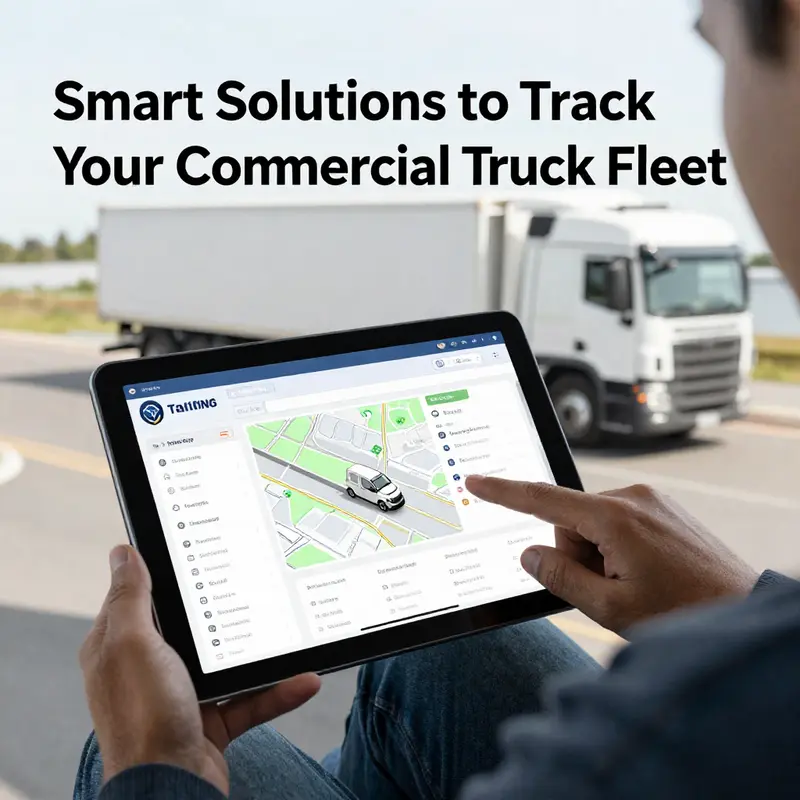
Tracking a commercial truck has never rested on a single device or a single channel. In practice, the most robust approach blends a truck’s built-in GPS hardware with third‑party applications that consolidate data, add user-friendly views, and translate movement into actionable decisions. When fleet managers, shippers, or partner carriers look for a flexible, scalable way to monitor freight in real time, third‑party platforms provide an overarching cockpit. They sit above the raw position messages emitted by the vehicle and translate those signals into maps, alerts, and analytics that fleets can act on without requiring every stakeholder to become a tech specialist. The core idea is simple: you connect a vehicle’s location transmitter to a platform that presents current position, pace, and path in a way that aligns with dispatch processes, customer expectations, and internal goals for efficiency and service reliability. The practical value emerges when this bridge—from device to dashboard to decision—functions smoothly, with reliable data, intuitive interfaces, and well-configured rules that reduce the cognitive load on operators while increasing situational awareness for everyone involved in moving freight.
In most freight operations, the real strength of third‑party apps rests in three core capabilities: real‑time visibility, historical insight, and proactive alerting. Real‑time visibility means you can see where a truck is at this very moment, along with its speed and heading. This is not just about a point on a map; it is about context. Is the truck behind schedule? Is it idling in a loading yard longer than expected? Is it diverting from the planned route due to traffic, weather, or an operational constraint? A well‑designed platform surfaces these questions through a clean interface that prioritizes the most critical information for a dispatcher’s workflow. Historical insight answers the “what happened” question. When did the truck take a detour, how long did it detour, and what was the impact on delivery windows or fuel consumption? Access to trip logs, route histories, and performance indicators helps teams identify recurring bottlenecks, assess driver performance, and refine future planning. Proactive alerting closes the loop by notifying the right people the moment something veers off plan—the moment a route deviation occurs, or when a vehicle enters or leaves a designated geo‑fence, for example. Alerts can be tailored to roles, so a supervisor, a carrier partner, or a customer account manager receives precisely the information they need, in a format they can act on quickly.
Any discussion of third‑party tracking platforms is incomplete without acknowledging the underlying integration that makes them work. A truck’s GPS transmitter talks to a gateway, usually via cellular networks, and the gateway then pushes data to a cloud service. The platform on the receiving end is not merely a map viewer; it is a data processing layer that normalizes streams from different hardware configurations, applies business rules, and presents a consistent user experience across devices. This is important because many fleets operate mixed environments: some trucks have dedicated telematics devices, others rely on manufacturer interfaces, and still others use portable trackers that can be moved between vehicles. A robust third‑party platform accepts these variations, authenticates users, and presents a unified picture. The quality of that picture depends on several factors—data latency, uptime, device compatibility, and the governance of who can see what. When a platform handles these matters well, it becomes a reliable core for dispatching decisions, customer updates, and continuous improvement initiatives.
From a functional standpoint, a leading fleet perspective on third‑party tools emphasizes a few practical features that materially impact day‑to‑day operations. Geofencing, for instance, creates virtual boundaries around key locations such as yards, warehouses, or transfer points. When a truck crosses a boundary, the system can generate an alert, enabling a dispatcher to confirm arrivals, optimize layover times, or trigger a handoff with a customer. Historical trip logs aren’t merely a record; they are an indispensable feed for post‑trip analysis. Shippers can review the route chosen by a driver, assess whether a more efficient corridor was feasible, and use those insights to optimize lane choices, fuel planning, or maintenance scheduling. Performance analytics aggregate data into meaningful indicators—average speed, dwell time, stop frequency, and fuel efficiency—so managers can identify trends at the fleet, route, or driver level. Across these capabilities, the real economic value emerges: fewer delays, better adherence to commitments, improved utilization of assets, and clearer visibility for customers and carriers alike.
In practical terms, deploying third‑party platforms is about aligning technology with the company’s operating model. A fleet team that operates under tight delivery windows may prioritize real‑time alerts and precise ETAs, while a maintenance‑driven operation might emphasize engine diagnostics and idle‑time analytics. The first step is ensuring the truck is equipped with a compatible GPS tracker and that credentials are in place so the vehicle can feed data into the platform. Once data streams are flowing, the next steps involve configuring what to monitor and how to respond. A dispatcher can set up geofences around a distribution hub and alert the team if a truck arrives late or exits a defined zone. A customer service representative can pull up a live vehicle status to provide your client with a precise ETA, while a planner can drill into historical routes to forecast capacity needs for the coming week. The beauty of a well‑designed third‑party solution is that these activities can be performed in parallel by different stakeholders, all drawing from the same data foundation.
The value of third‑party apps also reveals itself in how they interface with existing relationships in the transport ecosystem. For carriers and shippers, these platforms can act as a neutral, shared layer that supports collaboration across multiple parties. Instead of relying on a single fleet or a single vendor for visibility, stakeholders can access a common portal with role‑based permissions. This reduces friction in communications and makes it easier to manage exceptions—such as a late arrival or a missed handoff—through standardized workflows. It is also worth noting the scalability aspect. As a business grows, a third‑party platform typically accommodates more vehicles, more users, and more complex routing rules without requiring a complete overhaul of the tracking solution. In a market where capacity, lanes, and service expectations continually shift, that scalability is not a luxury but a strategic necessity. For mid‑size fleets aiming to scale, such platforms offer a practical bridge from current needs to future requirements, enabling phased adoption and incremental investment while preserving operational continuity.
There is a cautionary dimension to consider, however. The ease of use and speed of deployment that make third‑party apps attractive can mask the importance of disciplined implementation. The most valuable data live in the interfaces and the rules that govern them. If a platform is configured with too many alerts, users become desensitized; if it is configured with insufficient permissions, essential stakeholders are left blind to critical developments. Therefore, it is essential to map the business processes that will be supported by the platform before turning on every feature. Start with a few high‑impact use cases—such as late deliveries, route deviations, and dwell time at yards—and expand as people become proficient with the tool. Data governance is another cornerstone. Define who can view what, how long logs are retained, and how data is shared with customers or partners. This protects privacy and ensures compliance with contractual and regulatory expectations while preserving the transparency that makes dynamic tracking valuable.
In practice, a robust third‑party tracking approach often weaves together three complementary strands. First, a broad visibility layer that delivers live positions, speeds, and routes in a clear map with minimal latency. Second, a strong analytics component that translates raw movement into actionable intelligence—trends in fuel use, driver behavior, or lane performance. Third, a disciplined alerting framework that prioritizes exceptions and routes them to the right person at the right time. When these strands come together, dispatch works more like a conductor’s podium: the cues are timely, the responses are calibrated, and the overall performance of the freight operation improves without requiring constant manual intervention.
It is useful to keep an eye on the broader ecosystem as well. For some operations, the best practice is not to rely on a single tool but to use a combination of platforms to cover different purposes. One platform might excel at real‑time visibility for the dispatcher, another might deliver in‑depth route analysis for planning, and a third could provide customer‑facing status updates. The challenge then becomes ensuring data quality and consistency across the different systems. Standardized data schemas, clear data ownership, and consistent naming conventions help prevent confusion and ensure that stakeholders are all speaking the same language when they talk about location, time, and status. The more consistent the data, the more reliable the decisions that feed from it, whether the outcome is a tighter delivery window, lower fuel costs, or improved customer satisfaction.
For teams exploring third‑party solutions, a pragmatic step is to test with a subset of vehicles and a defined set of use cases. Begin with routes that are critical to customers and with a handful of drivers who are comfortable with new dashboards. Measure the impact in concrete terms: reductions in ETA variance, fewer checkpoint delays, or improved on‑time delivery rates. Document lessons learned, then expand gradually. It is also worth examining how the external tool can support collaboration with third‑party carriers. If a carrier can access the same platform, or share a dedicated view for a specific lane, the entire operation gains coherence. Yet the emphasis should remain on practical outcomes rather than feature lists. The goal is to turn streams of GPS data into reliable, timely decisions that move freight efficiently from origin to destination.
As you consider this path, a small but meaningful point often goes overlooked: the economics of tracking extend beyond the software subscription or hardware costs. The real value lies in the improved reliability of deliveries and the downstream effects on customer trust, carrier capacity planning, and route optimization. A well‑designed third‑party tracking framework can shorten cycle times, reduce dwell periods, and enable tighter coordination with warehouses and customers. In turn, these improvements compound over time, leading to better asset utilization and a more competitive service proposition. You do not need to predict every single outcome to gain value; you need a reliable mechanism to observe, learn, and adapt. Third‑party platforms provide that mechanism by turning scattered movement into coherent insight that can be acted upon in real time.
For readers seeking a deeper dive into the practical economics and strategic implications of advanced tracking practices, consider exploring resources that discuss how trailer orders and capacity dynamics influence overall margins in truckload operations. This line of inquiry helps connect the telemetry and analytics you gain from third‑party tools to tangible business outcomes, such as cost per mile, load concentration, and customer profitability. Trailer orders impact truckload margins, and the way you track and manage those assets can either compress or widen that margin depending on how effectively you use the data. Trailer Orders Impact Truckload Margins.
Beyond the core benefits, there are practical realities to keep in mind. Network reliability remains a consideration; even the best platform depends on consistent cellular coverage to receive real‑time updates. In regions with spotty connectivity, the system should gracefully cache data for later transmission without losing fidelity. User management is equally important. A small team can be overwhelmed if the platform exposes too many simultaneous data streams or if permissions are not tightly controlled. A thoughtful approach, therefore, includes role‑based access, clear audit trails, and regular reviews of who can see what and when. Security, too, is not an afterthought. As data flows through the platform, it represents sensitive information about routes, schedules, and customer commitments. Encryption in transit and at rest, routine security assessments, and disciplined data retention policies help protect the operation without sacrificing the speed and transparency that make tracking valuable.
In sum, third‑party applications represent a practical, scalable path to stronger operational visibility for commercial trucking. They are not a silver bullet but a powerful layer that, when configured with intent, aligns with dispatch workflows and customer expectations. They convert raw vehicle data into an integrated picture of movement, allowing teams to anticipate issues, optimize routes, and communicate more effectively with customers and partners. The result is not just better tracking; it is better coordination, better resource use, and better service. As the freight landscape continues to evolve—with changing capacity, shifting demand, and advancing telematics—the ability to harness the right mix of platforms will increasingly distinguish high‑performing fleets from those that struggle to meet commitments. The journey from device to decision is continuous, and the smartest operators treat third‑party tools not as a bolt‑on feature but as a core capability that scales with the business.
External resource for further reading: https://www.g7global.com
Final thoughts
Incorporating effective tracking solutions for commercial trucks is paramount for enhancing efficiency and safety within operations. Fleet management systems, government applications, logistics partnerships, and third-party apps each offer distinct advantages tailored to the needs of logistics and freight companies, as well as those managing small delivery fleets. By leveraging these technologies, businesses can achieve greater operational clarity, reduce overhead costs, and ensure timely deliveries. As the landscape of the trucking industry continues to evolve, adopting these tracking methodologies will pave the way for streamlined processes and improved service delivery.