
In today’s competitive landscape, the security and protection of cargo during transit are paramount for businesses in logistics, construction, and delivery services. Commercial truck lids serve as a critical solution, safeguarding valuable equipment and materials from environmental elements and unauthorized access. This guide aims to delve into the different types of commercial truck lids, their specific applications across various sectors, and the latest market trends and pricing. By exploring these facets, logistics and freight company owners, as well as procurement teams and small business owners, can make informed decisions about investing in the right protective equipment for their vehicles.
Covers That Mean Business: Unraveling the Engineering and Advantages of Commercial Truck Lids
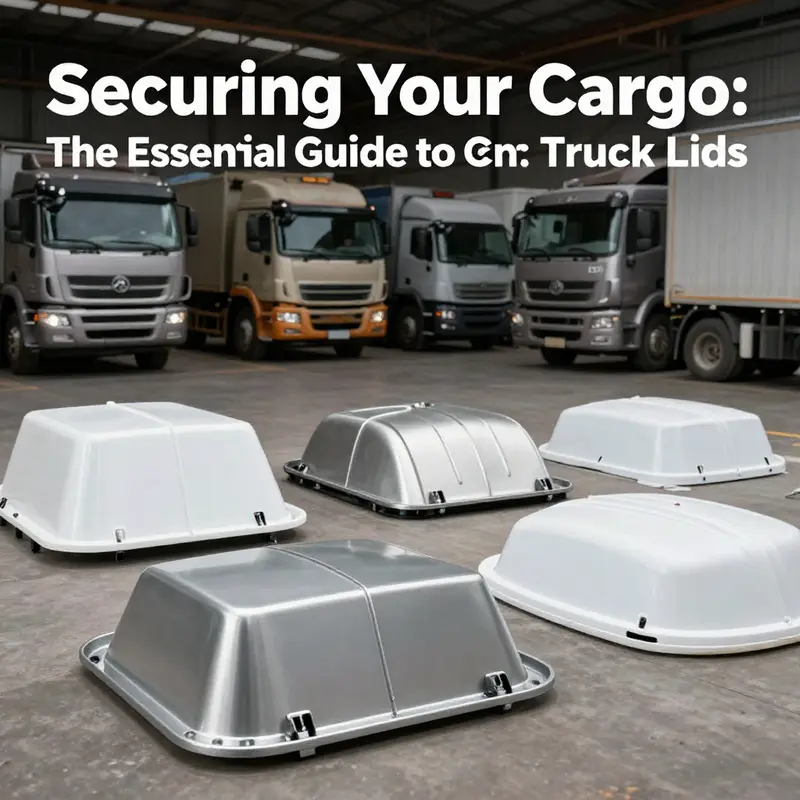
Commercial truck lids are much more than simple covers; they are engineering feats that protect cargo, improve vehicle efficiency, and enhance operational safety in a world where every mile counts. These innovative solutions come in a variety of forms and are designed to meet the sometimes conflicting demands of durability, ease of access, weight reduction, and security. In this discussion, we delve deeply into the types of lids available for commercial truck beds—ranging from rigid fiberglass models to versatile flip-up designs and innovative rollable or retractable covers—and explore the real-world benefits these systems deliver to a range of industries.
At the heart of these innovations are fiberglass hard lids. Crafted from high-strength composite materials, fiberglass lids have become popular on commercial trucks where long-term durability is paramount. Their robust nature protects valuable equipment from exposure to harsh weather conditions such as torrential rains, heavy snowfalls, and the constant assault of UV rays. Fiberglass lids often contribute to improved fuel efficiency too, as their molded, aerodynamic designs reduce wind resistance. Manufacturers have engineered these covers to endure long-term exposure to the elements while maintaining a sleek appearance. The rigid construction also ensures that they provide superior security when locked, making unauthorized access nearly impossible. While the design of fiberglass hard lids emphasizes maximum protection and efficiency, one must consider that their fixed structure requires additional space to open fully. This characteristic may not be ideal for users who need quick access to portions of their cargo.
In contrast, flip-up covers offer a blend of security and convenience that is perfectly suited for tradespeople and service technicians. These lids, often made from fiberglass or similarly resilient composite materials, are designed with hinges that allow them to be lifted vertically. The flip-up design is particularly beneficial for those who need to access their tools and small pieces of equipment repeatedly throughout the day without removing the entire lid. The mechanism behind these covers usually incorporates a lightweight design that minimizes operator effort while ensuring that the lid can be raised or lowered reliably. The inclusion of integrated locking systems further ensures that the cover stays in place and does not accidentally open during transit, which is critical on rough or uneven terrain. However, flip-up lids are not without limitations. Their dependency on sufficient clearance for proper operation means that users must always ensure that their work environment can accommodate the lid’s movement. The balance between providing rapid access and maintaining full protection is a careful design consideration that has made flip-up designs a frequent choice for many industries.
Another noteworthy innovation is the rollable or retractable truck lid. These covers integrate features from both hard lids and more flexible tarp systems to deliver a practical solution that meets the demands of speedy loading and unloading. Rollable covers tend to be fabricated from advanced fabrics or semi-rigid materials that are engineered to resist water and dust while being light enough to roll up into a compact storage compartment over the bed. The retractable mechanism ensures that when the cover is not in use, it is neatly stored, leaving the truck bed fully available for cargo. This type of lid is particularly popular in industries like delivery services and mobile retail, where time is of the essence, and efficiency cannot be compromised by cumbersome loading processes. Despite their many advantages, rollable lids offer a trade-off by sacrificing a bit of overall robustness. They do not provide the same level of protection against extreme weather or impacts as the hard fiberglass models, and there is often a higher risk of damage from flying debris or even theft attempts.
The application environments for these lids vary greatly. Many construction companies, for instance, find that the heavy-duty nature of fiberglass hard lids is ideal for protecting expensive tools and materials from unpredictable weather and hazardous site conditions. For truck fleets that operate in financial sectors with close margins on fuel costs, the aerodynamic benefits of these lids are not just an afterthought but a critical component of cost-efficiency strategies. In the realm of service and utility vehicles, flip-up lids become invaluable. These vehicles often need to provide quick access to critical tools and equipment to ensure that essential services remain uninterrupted. With a simple flip, workers can reach what they need without risking exposure of the cargo to the dangers of the road. Meanwhile, businesses that rely on speedy service, such as those in the delivery and mobile retail sectors, often opt for the rollable designs. The convenience factor—in combination with lower cost and ease of installation—makes these covers an attractive option.
Beyond the immediate functional benefits, commercial truck lids also have important implications for safety and regulatory compliance. As industries strive to minimize hazards on the road, ensuring that cargo is securely enclosed has become a priority for fleet managers and regulatory bodies alike. The design of these lids is guided by strict engineering standards, meaning they must withstand substantial impacts and remain fixed even on the roughest roads. This adherence to safety protocols not only protects the cargo but also reduces the likelihood of accidents caused by shifting loads. Moreover, the secure nature of these covers minimizes the risk of cargo theft, a perennial concern for industries transporting high-value or sensitive materials.
The technological innovations behind these lids are equally impressive. Engineers often rely on state-of-the-art composite materials and precision manufacturing techniques to create lids that are both lightweight and incredibly strong. Advanced production processes allow for the integration of locking mechanisms and reinforced frames, ensuring that these lids perform reliably over extended periods of service. Many modern designs even incorporate compatibility with additional truck accessories, such as roof racks or integrated lighting systems, further enhancing both their functionality and the overall aesthetics of the truck. Such technological integration also subtly improves vehicle aerodynamics and fuel efficiency, which in turn can result in significant long-term operating cost savings. While the primary purpose of these lids remains cargo protection, the sidelined yet critical benefits in terms of energy conservation and environmental impact cannot be overlooked.
Another aspect worth exploring is the evolving nature of customer demands and how they influence lid design and functionality. As commercial operations become more dynamic and customer service expectations continue to rise, there is a demand for solutions that combine versatility with rugged reliability. Manufacturers have responded by offering customizable options, such as varied opening mechanisms, integrated locking systems, and even color or finish choices that allow a business to align the cover’s aesthetics with its brand image. These developments show that the commercial truck lid is not merely a utilitarian accessory; it is a critical component of the broader operational ecosystem. The ability to fine-tune the design elements to meet specific operational needs is an indication of how these lids have evolved from simple protective covers into sophisticated pieces of equipment that support an entire business model.
Customer feedback from various sectors has played a significant role in pushing the boundaries of what these lids can do. For example, fleets operating in challenging environments—such as mountainous regions or areas with extreme heat—have required lids that can perform under stress without compromising on performance or safety. Some manufacturers have even added features like shock absorption and reinforced support structures to ensure that the lid remains intact even during severe impacts or rapid temperature changes. This type of rigorous field testing, akin to the testing conducted in extreme conditions for other truck components as seen in real-world examples such as those detailed in discussions about vehicle testing in extreme heat conditions real-world testing in extreme heat conditions, has ensured that the covers available today are a far cry from the simple, flimsy designs of the past.
Furthermore, the integration of these covers into the overall design of the truck can also contribute to stylized aesthetics that enhance brand identity. Many business owners today are not only concerned with the utility of a truck lid but also its appearance. A well-designed lid can transform the look of a commercial truck, lending it a professional and polished look that reflects reliability and preparedness. This visual impact is particularly important for companies that spend a significant amount of time interacting with customers or clients. A vehicle that looks secure and well-maintained fosters trust, and a high-quality, well-fitted cover is a visible indicator that the owner values performance and safety. The fusion of style and functionality in commercial truck lids represents a broader trend in the transportation industry where even the most utilitarian components are refined to meet aesthetic expectations alongside operational needs.
It is also important to consider the maintenance and long-term value of these covers. Commercial truck lids are designed not only to perform in the short term but to sustain their utility and appearance over many years. Regular maintenance of these lids can extend their lifespan significantly, ensuring that they continue to shield cargo from the elements even as trucks accumulate high mileage. Furthermore, technological enhancements have led to surfaces that are easier to clean, resistant to fading, and capable of withstanding chemical exposure from road salts and other corrosive materials. This low-maintenance feature, combined with the durability of modern materials, makes these lids a cost-effective investment for companies that operate large fleets.
Maintenance considerations extend to the operational procedures in which these truck lids are employed. For example, in environments where dust and debris routinely accumulate, the ease with which a lid can be secured and then swiftly cleaned or replaced becomes a decisive factor. Some modern designs allow for easy removal and reinstallation, enabling fleet managers to perform routine cleaning and repairs with minimal downtime. It is not uncommon for companies to track maintenance schedules meticulously, ensuring that any wear and tear is addressed before it compromises the cover’s integrity. This proactive approach has not only enhanced operational efficiency but has also contributed substantially to safety on the road. Ensuring that the truck bed is always securely sealed minimizes accidents caused by unsecured loads, a fact that further underlines the importance of choosing the right type of lid for specific operating conditions.
The environmental impact of commercial truck lids is another dimension that has increasingly come under scrutiny. As the transportation industry shifts towards more sustainable practices, manufacturers are experimenting with new materials and production methods that reduce the environmental footprint of these products. Lighter materials result in less fuel usage over time, while the use of recyclable composites and corrosion-resistant coatings extends the life of the product, reducing waste. These eco-friendly innovations are essential in today’s competitive market, where companies are keen to adopt greener practices. Additionally, the manufacturing processes themselves are evolving to minimize energy consumption and reduce emissions, aligning with global efforts to create more sustainable industrial practices. The environmental considerations are not simply a side benefit; they are a fundamental part of the design philosophy that underpins modern commercial truck lids.
From a strategic perspective, investing in a high-quality truck lid can translate into direct financial benefits. The reduction in fuel consumption, decreased maintenance costs, and minimized risks of cargo loss all add up to enhanced profitability over the lifetime of the vehicle. For companies where every dollar counts, these savings are hard to ignore. The ability to seamlessly balance the cost of the lid with its long-term benefits is what attracts a range of businesses to these innovative products. As advancements in materials science continue and as customer demands evolve, the future of truck lids promises even more improvements in efficiency, durability, and ease of use. The market is also seeing a proliferation of suppliers and options that allow businesses to choose covers that precisely match their operational needs and budget requirements. This diversity in product offerings represents a healthy, competitive market that continually drives innovation.
A final consideration is the adaptability of these truck lids to various truck models and the customizability that many suppliers now offer. The standardization seen in many commercial applications ensures that these lids meet rigorous safety and durability standards while allowing for slight modifications tailored to specific truck designs. Custom fit is crucial, as an ill-fitted cover can lead to issues during transit such as wind lift or even damage to the truck itself. Many manufacturers now offer a range of sizes, mounting options, and even finish choices, which cater to the diverse fleet requirements across industries. This level of customization enhances the overall value proposition of the lids. In scenarios where a company operates mixed fleets of different truck models, having a range of adaptable lids can significantly simplify inventory and maintenance procedures, leading to streamlined operations.
Altogether, the story of commercial truck lids is one of innovation, adaptation, and practical excellence. The range of options available—from robust fiberglass hard lids to convenient flip-up designs and versatile rollable covers—underscores the sector’s commitment to providing solutions that withstand the rigors of everyday use while improving efficiency and safety on the road. Each design is the result of extensive research and development, field testing, and continuous feedback from industry professionals striving for excellence in every aspect of their operations. In an environment where time, cost, safety, and durability are all in constant contention, these lids have emerged as indispensable components that help businesses run more smoothly and securely.
For those who wish to further understand the nuances of truck equipment and the various factors that go into maintaining a competitive edge in the market, resources that detail manufacturing strategies and adaptations can offer valuable insights into the broader industry trends. More detailed discussions on how manufacturers are responding to cost pressures and technological advancements in the trucking sector can be found in articles that explore topics like market adaptations amid supply challenges.
As we consider the future of commercial truck lids, it becomes clear that the evolution of design will continue to be driven by the demands of efficiency, safety, and sustainability. In an age where technological advancements are rapidly transforming the transportation landscape, the humble truck lid stands as a testament to the ingenuity of industrial design. With materials and mechanisms that not only enhance performance but also address key challenges such as environmental impact and operational cost, these lids are poised to become even more integral to the logistics and transportation sectors.
In summary, commercial truck lids, whether they be the sturdy fiberglass hard lids that maximize protection, the practical flip-up covers that speed access, or the innovative rollable designs that combine versatility with cost efficiency, are indispensable components in modern truck design. They safeguard valuable cargo, improve vehicle aesthetics, and contribute markedly to fuel efficiency and overall safety standards. As the trucking industry continues to evolve, so too will the design and functionality of these critical accessories.
For those interested in exploring specific product specifications, features, and pricing options, there is further information available from industry suppliers. A comprehensive overview and additional details can be found at an external resource provided by Rubbermaid Commercial Products here.
Driving Operational Excellence: The Multifaceted Role of Commercial Truck Lids Across Industries

Commercial truck lids are not merely protective covers; they are a critical component in modern commercial transportation that drives operational excellence across a diverse array of sectors. These specialized lids are designed to meet the rigorous demands of industries that depend on quick, secure, and versatile cargo management. By blending durability, functionality, and innovative design features, commercial truck lids have evolved into indispensable tools that protect valuable equipment, support safety protocols, and enhance the aesthetic appeal of commercial trucks.
In the construction and maintenance sectors, the daily challenges of harsh weather, rough handling, and constant wear necessitate reliable solutions for protecting costly tools and indispensable materials. Commercial truck lids designed for these environments offer robust protection against rain, dust, debris, and even the inadvertent impacts that occur on busy construction sites. The engineering behind these lids often includes the use of materials such as fiberglass, aluminum, or ABS plastic. Fiberglass, for instance, is prized for its lightweight yet exceptionally strong characteristics. It allows tradespeople, such as electricians, mechanics, and technicians, to gain rapid access to essential tools while ensuring these items remain shielded from environmental hazards. This balance between accessibility and protection is crucial in sectors where every minute counts and equipment failure or damage can result in costly downtime.
Beyond physical protection, these lids contribute significantly to operational security. In environments where tools and sensitive equipment are transported on a daily basis, the risk of theft or unauthorized access is a constant concern. Many commercial truck lids now integrate advanced locking mechanisms, ensuring that once the lid is secured, the contents of the truck bed remain inaccessible to opportunistic intruders. This enhanced security is not only reassuring for businesses operating valuable fleets but is also a critical requirement in industries dealing with important or high-value goods. The amount of confidence that comes from knowing that one’s expensive machinery or delicate instruments are safely guarded cannot be overstated.
Delivery services and mobile catering operations also benefit immensely from the technological sophistication of modern truck lids. In the fast-paced world of food delivery or on-the-move supply services, maintaining product quality is of the utmost importance. Commercial truck lids in these applications do more than just cover cargo; they are designed to support hygiene by effectively sealing the truck bed against external contaminants. For many food service businesses operating mobile kitchens, these lids are crafted with materials that provide excellent resistance to the extremes of temperature and humidity. They help in preserving the freshness and integrity of perishable items, ensuring that food safety standards are consistently met even during extended journeys or in adverse weather conditions. This dual role of protection and temperature regulation reinforces the reputation of commercial truck lids as more than a simple accessory, but as an enabler of reliable service delivery in sectors where consumer satisfaction is closely tied to product condition.
Fleets and logistics companies have discovered that the modular nature and customizable features of modern truck lids can have a transformative effect on their day-to-day operations. For fleet operators, the integration of these lids into their vehicles is a strategic move that not only enhances cargo security but also optimizes the overall workflow. By preventing accidental spillage and ensuring that cargo remains intact and unexposed, truck lids contribute to reducing downtime and maintenance issues that arise from equipment damage. This higher degree of reliability translates into fewer delays and a more efficient supply chain. Additionally, many of these systems offer ease of maintenance and cleaning, attributes that are highly valued in the fast-moving logistics industry. For example, fleet managers looking to streamline operations have even integrated truck lids with additional accessories, such as detailed insights on trailer load impacts, which allow them to monitor and adjust operations dynamically based on cargo conditions and environmental variables.
In the realm of recreational and camping applications, commercial truck lids open up a world of possibilities beyond their traditional uses. Enthusiasts and adventurers have found innovative ways to repurpose these lids to create mobile, temporary living spaces or workstations. With thoughtful modifications, insulation, and sealing, a truck lid can form the basis of a compact shelter that serves a myriad of purposes in remote locations. This versatility has led to a rising trend among outdoor professionals and hobbyists who seek reliable, portable solutions that do not compromise on durability or security. Campers and field workers alike benefit from the ability to quickly transform a commercial vehicle into a multi-purpose space that combines work, storage, and even relaxation under unpredictable climatic conditions.
The evolution of truck lids has been driven by the convergence of material science advancements and a deeper understanding of the unique demands of commercial operations. Manufacturers have developed specialized formulations and structural reinforcements that protect the lids from corrosion, impact, and gradual wear over time. This development is particularly significant in regions where trucks are constantly exposed to extremes of heat, cold, and moisture. The selection of materials like ABS plastic or high-grade aluminum has allowed for manufacturing truck lids that are not only lightweight but also resistant to the ravages of the elements. Such properties ensure that the lids continue to perform optimally over extended periods, significantly reducing the frequency and costs associated with repairs or replacements.
Technological advances have also introduced options such as integrated locking systems, which add another layer of security and functionality. For industries where each minute and every tool matters, semi-automated mechanisms that allow quick yet secure access are a game-changer. These systems are engineered to provide a perfect balance between ease of use and high-security standards; operators can quickly access their cargo when needed, yet be assured that the contents remain sealed off from unauthorized individuals when the vehicle is in transit. The combination of smart design, advanced materials, and integrated technology results in truck lids that are truly adaptive to the complex needs of an evolving commercial landscape.
Furthermore, these lids contribute positively to the professional image of companies that rely on commercial trucks. A well-maintained and aesthetically pleasing truck lid can serve as a subtle but effective marketing tool. It signals to clients and business partners that the company values both functionality and appearance. In industries where brand trust and visual impact play a significant role, such as in high-end construction projects or premium delivery services, this attention to detail can bolster a firm’s reputation and help secure new contracts. The commitment to quality that is evident in every aspect of the truck’s design—from the engine to the truck lid—speaks volumes about a company’s overall operational philosophy.
The adaptability of commercial truck lids also extends to their role in supporting customized load configurations. This adaptability is particularly important for businesses that have varying cargo requirements or need to frequently modify the configuration of their truck beds. The modular design of contemporary lids means that they can be tailored or reconfigured to accommodate different types of cargo, whether the need is to store long, awkwardly shaped tools, delicate instruments, or even bulky materials that require additional stabilization. In many cases, the ability to modify the truck lid setup on the fly provides the business with a competitive edge, especially during peak operational periods when time and efficiency are at a premium.
An important aspect of these systems is their contribution to overall operational safety. By securely covering and containing loads, the risk of cargo shift during sudden stops or on uneven terrain is significantly minimized. This not only protects the cargo but also reduces the likelihood of accidents that can result from unsecured loads. In industries like hazardous materials transport or high-value equipment logistics, such secure systems are not optional—they are a regulatory necessity. The safety benefits of commercial truck lids contribute to lower insurance premiums, reduce liability risks, and ultimately lead to smoother operations with fewer disruptions caused by accident-related investigations or downtime.
As businesses continue to adapt to the rapid pace of technological change and increasingly stringent regulatory environments, the evolution of commercial truck lids stands as a testament to the industry’s ability to innovate under pressure. The ongoing development and improvement of these lids are driven by a combination of intense market competition, customer feedback, and the relentless pursuit of operational perfection. Manufacturers invest heavily in research and development to refine their products, ensuring that every new iteration offers better resistance to impact, improved ease of use, and enhanced compatibility with a wide range of truck models. This commitment to continuous improvement ensures that commercial truck lids remain at the forefront of industrial design and safety standards.
Moreover, the global supply chain has experienced transformative shifts in recent years, and the role of commercial truck lids in protecting cargo has never been more critical. As international logistics become increasingly complex with extended supply routes and more diverse cargo types, the importance of ensuring that cargo remains undamaged during long transits is paramount. The reliability of commercial truck lids in these scenarios cannot be understated; they serve as the silent guardians of high-value and sensitive materials, ensuring that shipments arrive at their destinations in pristine condition. This reliability is especially significant in a time when businesses are more interconnected, and any disruption in the supply chain can have far-reaching economic consequences.
The operational benefits of commercial truck lids also extend to the environmental realm. By ensuring that cargo is securely contained and protected from the elements, these systems contribute to reducing wastage and product damage that might otherwise occur due to weather-related incidents. This aspect is increasingly becoming a part of the sustainability narrative within the transportation and logistics sectors. Companies that adopt high-quality truck lids signal their commitment not only to operational efficiency but also to environmentally responsible practices. In a world where regulatory pressures and public opinion are shifting towards sustainability, such design innovations play a significant role in a company’s overall environmental strategy.
From an economic perspective, the investment in a premium commercial truck lid can yield significant returns. Reduced maintenance expenses, minimized losses through theft or damage, and enhanced operational efficiency collectively contribute to a healthier bottom line for businesses. Many fleet operators and small business owners have reported that the long-term savings derived from reducing the need for frequent repairs and replacements justify the initial expense of these high-end truck lids. The economic rationale is clear: by investing in technology-driven, durable truck lids, companies can protect their cargo, improve operational efficiency, and ultimately secure a competitive edge in their respective markets.
The role of customization in the evolution of these lids is also worth noting. Different industries have unique requirements, and manufacturers have responded by offering customizable solutions that cater to the specific needs of each sector. For example, a truck lid designed for a construction company might incorporate additional reinforcement along the edges and hinges to accommodate the constant strain of heavy tools and materials, whereas a lid intended for use in the food service industry might focus on seamless sealing and ease of cleaning to meet stringent hygiene standards. These tailored approaches are emblematic of the larger trend in commercial vehicle accessories, where one-size-fits-all is rapidly giving way to bespoke solutions that maximize efficiency, safety, and overall performance.
In many ways, the story of the commercial truck lid is a microcosm of the broader evolution taking place in the commercial transportation industry. It reflects a movement towards greater integration of technology with functionality, a demand for higher safety standards, and a recognition of the value that well-designed components can bring to overall business operations. As companies continue to navigate an increasingly complex and demanding landscape, every element that can contribute to smoother, safer, and more efficient operations is embraced. Commercial truck lids, with their blend of durability, security, and innovative design, exemplify this trend. They are among the quiet workhorses that keep the wheels of commerce turning.
In summary, the multifunctional nature of commercial truck lids makes them a staple across several vital industries. Whether in the construction sector, where they offer enduring protection against the harshness of outdoor work environments, or in the fast-paced world of food delivery and logistics, where safety and hygiene are nonnegotiable, these lids demonstrate exceptional versatility and value. Their design continues to improve in response to feedback from operators and changes in regulatory codes, ensuring that they remain relevant and effective under ever-more challenging conditions. The adaptability of these systems, from their robust security features to their capacity for customization, underscores their importance in modern transport operations.
For industry professionals and fleet managers, the decision to invest in a quality commercial truck lid is one that ripples through every aspect of their operations. The benefits are manifold: reduced maintenance costs, increased safety margins, improved cargo security, and even enhanced corporate image. Such a tool not only provides physical protection but also instills a sense of confidence that the investment in quality will continue to pay dividends in the long term. In an era where every second and every dollar count, the unobtrusive yet critical role of commercial truck lids cannot be underestimated.
Looking ahead, the evolution of truck bed coverings will likely continue to align with advancements in vehicle technology and smart logistics. As commercial vehicles become increasingly integrated with digital monitoring systems, we can expect to see truck lids that interface with onboard diagnostics to alert operators about maintenance needs or potential security breaches. This future-forward approach will not only enhance the lid’s functionality but also contribute to a more connected and intelligent transportation ecosystem. Companies that embrace these innovations are positioned to thrive as they harness the full potential of modern vehicle technology.
For those seeking additional insights into how operational efficiency can tangibly affect profitability, an in-depth look at the dynamics of freight management is available through resources such as the detailed analysis on trailer load margins found in the logistics industry. Moreover, for further insight on advanced truck lid materials and technologies, exploring platforms like Alibaba’s resource page can provide an external perspective on global innovations in this field.
In conclusion, commercial truck lids are far more than simple accessories; they are sophisticated systems that underpin the operational success of a wide range of industries. Their multifaceted role in enhancing security, optimizing cargo management, protecting investments, and even contributing to environmental sustainability underscores their value in today’s competitive marketplace. As companies continue to refine their operational strategies, the advanced design and enduring reliability of these lids will stand as a testament to the critical importance of innovation in commercial transportation. Through continuous improvement and thoughtful design, commercial truck lids continue to drive operational excellence, ensuring that the industries relying on them can confidently meet the demands of an ever-evolving global landscape.
Navigating Market Dynamics: Unveiling the Trends and Valuation of Commercial Truck Lids
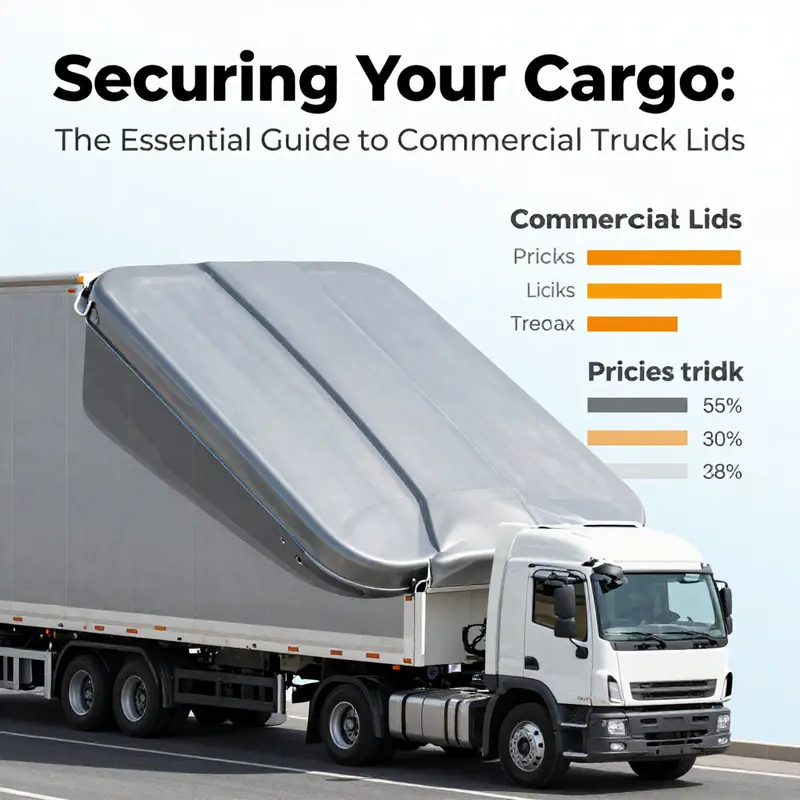
Commercial truck lids have evolved from being simple protective covers to sophisticated, high-performance systems that not only shield cargo from environmental hazards but also contribute significantly to a truck’s overall functionality and market appeal. As the market experiences a steady upward trajectory, manufacturers and end users alike are recognizing the broad advantages offered by innovations in material science, design engineering, and integrated technology. This chapter delves into the dynamic landscape of commercial truck lids, outlining the factors driving market growth, the shift towards advanced composite materials, and the detailed pricing analysis that underpins current industry trends.
At the heart of this evolving market is the compelling narrative of technological advancement and shifting consumer preferences. Initially, truck lids were conceived solely as means to protect cargo from rain, snow, and road debris. However, over recent years, increasingly sensitive cargo and the demands of modern trade have compelled a transition towards more robust designs. Today’s lids are engineered to offer not just protection but also enhanced security. They incorporate integrated locking mechanisms, reinforced frames, and even smart features such as remote-controlled access systems, which appeal to fleet operators and small-scale businesses alike. This evolution highlights the broader trend that innovation in commercial truck lids is now focused on multifaceted functionality, ensuring that these components can keep pace with the rapid changes in commercial logistics and vehicular technology.
Central to the market’s recent growth is widespread consumer and industrial acceptance of premium materials. For a long time, steel was the go-to material for truck lids, prized for its strength and affordability. However, recent trends have shown a pronounced shift toward the adoption of aluminum. Aluminum lids are lighter, thereby contributing to improved fuel efficiency and overall vehicle performance. Their resistance to corrosion stands as another considerable advantage, especially in harsh weather conditions and corrosive industrial environments, making them a popular choice among professionals in construction, landscaping, and utility services. Such trends have been corroborated by multiple industry analyses, which predict that aluminum truck lids will continue to dominate segments of the market due to their superior balance of weight, durability, and utility. This material evolution is a prime example of how technological progress and environmental considerations are converging to redefine market parameters.
Alongside material upgrades, advancements in design and functionality have catalyzed market growth. Manufacturers are now integrating additional features into truck lids that serve various practical needs. For instance, modern truck lids often boast integrated LED lighting systems that double as brake lights or taillights, thereby enhancing safety and visibility during nocturnal operations or adverse weather conditions. In many cases, additional functionalities such as roof rack integration, side windows for quick inspections, and specialized compartments for essential tools have become sought-after add-ons. These enhancements are not merely aesthetic improvements; they represent a practical shift towards a more holistic approach to vehicle customization and utility, where every component is envisaged as part of a larger, interconnected system designed to optimize workflow and safety.
The incorporation of smart technology, though still emerging, has begun to leave a notable mark on the market. Early adopters have witnessed the benefits of remote locking systems that allow for improved security and minimized theft risk. Such systems, sometimes incorporating alarm functionalities, serve as an early warning mechanism, thereby protecting high-value or sensitive cargo. Fleet operators, especially those managing large-scale operations, find these technological innovations indispensable for maintaining operational efficiency and ensuring prompt cargo delivery. Consequently, the gradual introduction of smart lids underscores a significant trend towards the digital transformation of commercial truck components.
Beyond the technological innovations and shifts in material preferences, sustainability has become a guiding principle in the design and manufacture of commercial truck lids. As environmental regulations tighten and industry stakeholders become more conscious of their carbon footprints, manufacturers are increasingly turning towards eco-friendly practices. The transition to materials that are easier to recycle, along with production processes that reduce emissions, illustrates the industry’s commitment to sustainability. Moreover, the rise of electric and hybrid trucks introduces new challenges in terms of weight distribution and thermal management, prompting manufacturers to design lids that meet these specialized needs. The focus on sustainability not only aligns with global environmental goals but also ensures that commercial truck lids remain adaptable to the evolving requirements of modern fleets.
Pricing analysis in this burgeoning market reveals a complex interplay of several determinants. The choice of material stands as the most influential factor. Aluminum lids, due to their lightweight and corrosion-resistant properties, command a premium over traditional steel variants. In many instances, the higher price is justified by the long-term savings in fuel and maintenance costs, as well as the enhanced overall performance that aluminum facilitates. Meanwhile, steel lids continue to be an affordable option for budget-conscious customers, though they may not offer the same level of durability or advanced features. Fiberglass and ABS plastic lids represent a middle ground, balancing cost and performance, and are often favored in situations where quick access or lightweight performance is a priority.
In addition to the material considerations, the overall design complexity contributes significantly to the final cost. Lids that incorporate additional elements such as integrated LED systems, smart locking mechanisms, and design enhancements naturally fall on the higher end of the pricing spectrum. Customization plays a pivotal role here. Custom-fit lids, engineered specifically for certain truck models, are typically more expensive than universal-fit models due to the precision and additional labor required during production. For operators who require specialized configurations to meet stringent operational standards, the additional expense is a necessary investment in enhanced performance and security.
Brand reputation and quality assurance are further determinants that influence the pricing landscape. Prominent manufacturers who have established themselves as leaders in the industry often charge a premium due to the reliability and longevity of their products. These companies typically offer extended warranties and superior customer service, reinforcing their market positions and justifying higher costs through robust aftersales support. Industry reports frequently highlight that although the initial investment in premium lids may be higher, the overall return on investment is favorable when considering reduced maintenance, lower risk of damage, and improved operational efficiency over time.
Market segmentation also plays an essential role in pricing strategies. Commercial-grade lids, designed to endure the harsh conditions of heavy-duty applications, tend to be more expensive than those intended for personal or recreational use. The higher demands placed on commercial truck lids necessitate robust engineering that adheres to stricter standards, thus driving up production costs. This pricing differentiation ensures that users can select a product that precisely meets their operational requirements without overpaying for features that may be unnecessary in less demanding contexts.
As the commercial truck lid market continues to expand, stakeholders are increasingly attentive to the macroeconomic trends that influence demand and supply dynamics. Global reports indicate that from 2024 through 2033, the market is expected to see a compound annual growth rate of approximately 5.2%. This projected growth is fueled in part by rising consumer demand for technologically advanced solutions and heightened regulatory pressures on sustainability and safety. The interplay between market growth and innovation is generating a robust environment in which advancements in material science and design are rapidly adopted. For those interested in examining the broader trends in the transportation sector, further insights can be found in discussions on truck-related economic trends, as seen in analyses such as those on trucking economic trends affecting trailer orders. This interconnectedness between various aspects of the transportation industry emphasizes how developments in one area can often signal shifts in related sectors.
The evolution in market trends has not only impacted consumer preferences but has also necessitated a recalibration in production strategies. Manufacturers are investing significantly in research and development to ensure their products meet the dual demands of functionality and cost-efficiency. This investment drives incremental quality improvements and sparks breakthroughs in design innovation that set new industry benchmarks. For instance, groundbreaking work in reducing the overall weight of truck lids without compromising on structural integrity is a trend that has garnered considerable attention. These innovations have a cascading effect on other elements of truck design, as lighter lids contribute to better fuel economy and reduced wear and tear on suspension systems, thus enhancing the overall lifecycle of the vehicle.
From the perspective of long-term industry viability, the focus on sustainable practices and eco-friendly materials is likely to become even more pronounced. Governments and regulatory bodies are increasingly instituting policies that favor environmentally responsible manufacturing processes, thereby incentivizing industry players to adopt greener production techniques. This regulatory environment, combined with an inherent market drive for cost savings through improved performance and reduced maintenance, sets the stage for continued evolution in the commercial truck lid market. Manufacturers are expected to further explore the possibilities of biodegradable materials, recycled composites, and low-energy production methods. Such advancements not only contribute to the broader goal of reducing environmental impact but also help firms position themselves as responsible entities in an increasingly eco-conscious market.
Beyond manufacturing advancements and material innovations, the market is also experiencing shifts in consumer expectations regarding aftersales service and product lifecycle management. Users of commercial truck lids now demand robust service support, rapid repair turnaround times, and reliable performance guarantees. In response, manufacturers are enhancing their service networks, channeling investments into comprehensive warranty programs, and establishing dedicated customer service teams with technical expertise. This focus on service excellence is a clear indicator that the value proposition of a truck lid now extends well beyond upfront cost considerations. Instead, it encompasses ease of maintenance, longevity, and overall reliability, which are critical in ensuring that fleet operators can maintain high levels of productivity without unexpected downtimes.
Furthermore, economic variables such as fluctuations in raw material costs, global supply chain disruptions, and competitive pressures from emerging market players are all factors that influence final pricing decisions. The volatility in the cost of aluminum, for example, can have a pronounced effect on production economics. Manufacturers must delicately balance the demand for high-performance materials with the realities of supply chain constraints. This balancing act often results in periodic price adjustments and variations in product offerings as companies strategize to maintain profitability while serving an increasingly large and diverse customer base.
In light of these complexities, the trend towards integrating data-driven decision-making processes is gaining momentum. Advanced analytics are being employed to better forecast market demand, optimize production schedules, and personalize customer offerings. Manufacturers are now relying on real-time data inputs to manage inventory levels, predict shifts in consumer behavior, and fine-tune their pricing models. This data-centric approach not only facilitates a more responsive production system but also helps companies stay ahead of the competition by rapidly adapting to market signals.
The strategic importance of innovation in both product design and production processes cannot be overstated. Many industry experts believe that the next phase in the evolution of commercial truck lids will involve a further convergence of mechanical engineering, digital technology, and sustainable practices. The infusion of smart technology into truck lids is likely to continue, with future models potentially offering advanced features such as real-time performance monitoring, automated maintenance alerts, and integration with fleet management software. These smart lids could soon become a crucial node in the digital ecosystem of commercial transportation, where seamless connectivity and data integration drive improved operational efficiencies and enhanced driver safety.
Moreover, as manufacturers continue to explore new materials and design paradigms, we can expect to see increased collaboration between traditional automotive engineers and technology innovators. This cross-disciplinary synergy is not only fostering incremental improvements in existing products but also paving the way for disruptive innovations that may redefine the entire product category. Early prototypes and pilot programs suggest that the future of truck lids may involve modular designs, which allow for easier repairs and upgrades, thus extending the effective lifecycle of the product and offering significant cost savings to fleet operators. As these innovations gain traction, the market is poised to witness a paradigm shift where commercial truck lids are no longer seen simply as ancillary components, but rather as integral features that drive overall vehicle performance, aesthetics, and operational value.
In conclusion, the commercial truck lid market is at a pivotal juncture characterized by rapid growth, technological innovation, and evolving consumer expectations. The shift towards premium materials like aluminum, combined with advanced design features and the incorporation of smart technology, has ushered in a new era for truck lids. These developments are further bolstered by sustainability initiatives and a strong focus on aftersales service and lifecycle management. Economic trends, regulatory pressures, and the need for robust data-driven strategies are all contributing to a complex yet promising landscape that will continue to grow and evolve in the coming years. For readers interested in a broader understanding of market trends and how economic shifts are impacting related sectors, exploring insights into trucking economic trends affecting trailer orders may offer additional context and appreciation for the delicate balance between cost, performance, and technological advancement in the transportation industry.
The cumulative effect of these innovations and market dynamics is a clear indication that commercial truck lids are much more than mere protective accessories; they have become essential value-added investments that directly enhance operational efficiency, safety, and durability. As we look forward to future developments, it is evident that manufacturers will continue to push the envelope, integrating even more advanced technologies and sustainable practices. This forward momentum not only reflects the evolving needs of fleet operators but also signals a broader trend in the transportation industry, where every component is expected to contribute meaningfully to overall vehicle performance and environmental stewardship. For an external perspective on how market forces are shaping product innovations and pricing strategies in this segment, resources such as Alibaba’s product insights can provide further empirical context and data-driven analysis.
Ultimately, the journey of commercial truck lids from basic cargo covers to multifunctional, high-tech components illustrates a broader narrative of industrial transformation. Driven by a commitment to quality, safety, and sustainability, the market is rapidly embracing innovations that are setting new benchmarks for performance and reliability. As manufacturers refine their designs and operational strategies, end users stand to benefit from products that not only meet but exceed modern demands. This synergy between innovation and market need is poised to propel the commercial truck lid industry into a future defined by efficiency, resilience, and uncompromising quality. Thus, as we navigate the evolving landscape of commercial transportation, the role of advanced truck lids emerges as a critical factor in ensuring that vehicles remain secure, efficient, and prepared for the challenges of an ever-changing operational environment.
Final thoughts
The integration of commercial truck lids into fleet operations provides significant advantages, including enhanced cargo security, protection against the elements, and improved operational efficiency. By understanding the variety of products available and their applications across different industries, business owners can make educated choices that align with their needs. Investing in quality lids not only protects valuable assets but also promotes a professional image that resonates with clients and stakeholders alike. As market trends indicate a growing demand for these solutions, it is prudent for businesses to evaluate their options and prioritize the safety and security of their transport operations.