
The classification of a truck as commercial is an intricate and often overlooked aspect of fleet management that carries significant implications for logistics, procurement, and small business operations. For owners of logistics and freight companies, construction and mining enterprises, and small businesses operating delivery fleets, recognizing the commercial status of your vehicle is essential for compliance, operational efficiency, and financial planning. This understanding extends beyond simple definitions to encompass the purpose of use, industry classifications, legal factors, and the practical implications of commercial designation. By delving into these aspects, we aim to provide a comprehensive framework that supports sound decision-making and enhances operational effectiveness in your vehicular fleets.
Is My Truck Commercial? Understanding Usage vs. Label

Many people assume a truck becomes a commercial vehicle only when it’s part of a fleet or when its payload seems obviously industrial. The truth is more nuanced: the key factor is how you use it. If you operate the vehicle to move goods, transport people for a fee, or perform tasks that support a business with the aim of earning income, your truck is functioning as a tool for commerce. The distinction between private and commercial use is about purpose and risk, not size or branding. Insurance, licensing, and inspections are shaped by this use, not by appearance.
Consider a typical small operation: a contractor uses a mid-size truck to haul tools and materials between job sites; a home-based crafts person runs a mobile workshop; a one-person delivery service routes pickups to reach customers. In each case, the vehicle exists as a business instrument, and that business use anchors it in the commercial category. The reality is that some vehicles used for income-generating activities may be compact, while others are large; the critical factor is the purpose behind the drive.
What Makes a Truck Commercial? Reading the Quiet Language of Classification Standards
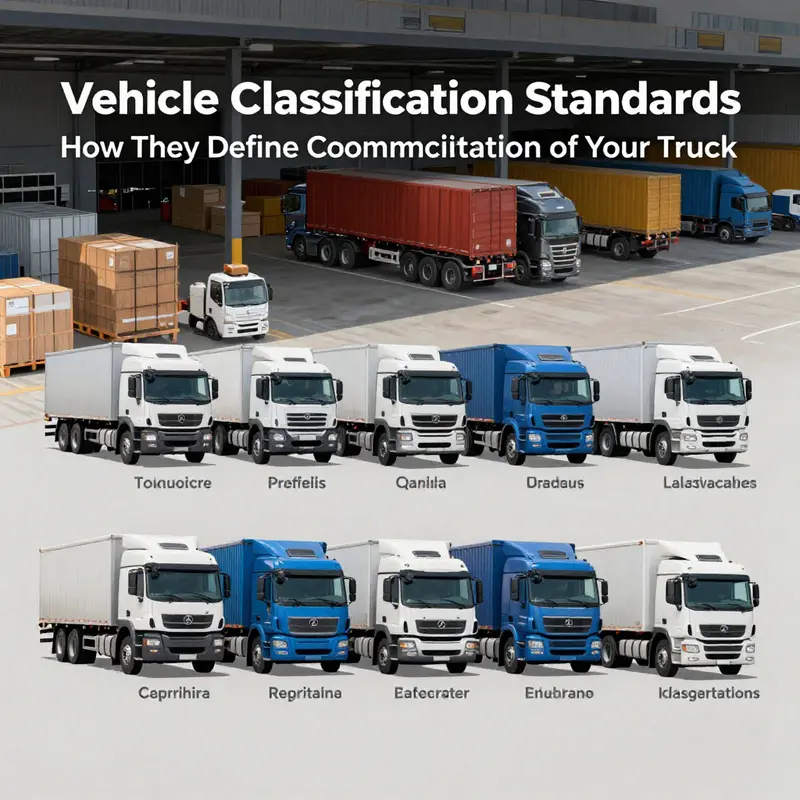
When you ask why your truck gets labeled as commercial, you’re not just asking about engine size or bed length. You’re stepping into a quiet, highly structured language that regulators and insurers use to separate vehicles by purpose, risk, and road impact. Vehicle classification standards act like a diagnostic code for transportation. They don’t hinge on one feature alone but on a careful blend of what the vehicle is designed to do, how it is used, and how much weight it carries or is built to carry. The result is a framework that helps governments manage safety, licensing, taxation, and infrastructure use. Read through that lens, and the question shifts from a simple measurement question to a bigger, policy-driven answer: is the truck a tool of commerce, or is it primarily a personal conveyance for private life? The answer, more often than not, lies in function rather than form.
Internationally, the clearest, most widely referenced pieces of that language come from the UNECE framework’s vehicle classifications. Within this system, commercial trucks are organized into categories by a term known as the maximum design gross mass, or GVM. The system divides trucks into three broad classes: N1, N2, and N3. N1 covers light-duty trucks with a maximum design gross mass not exceeding 3,500 kilograms. This is the tier that encompasses many small delivery vans and compact pickup trucks—vehicles that sit at the edge of everyday consumer use but can operate in a commercial capacity when employed by a business. N2 is the next rung up, for medium-duty trucks with a GVM above 3,500 kilograms but not more than 12,000 kilograms. These are the larger delivery trucks and smaller freight configurations that fleets rely on for regional work. At the top, N3 includes heavy-duty trucks with a GVM above 12,000 kilograms, such as large freight trucks, semi-trailers, and other demanding haul configurations. The GVM figure is not just a number on a spec sheet; it is the anchor that informs regulatory treatment, licensing considerations, and safety expectations. In practice, a vehicle’s place in N1, N2, or N3 helps determine whether it is subject to different inspection schedules, insurance frameworks, and operating rules when it moves across borders or from a yard to a highway.
Beyond the UNECE classification, national regulatory regimes layer in their own logic, often building on the international backbone. In the United States, for example, the Federal Motor Carrier Safety Administration uses gross vehicle weight rating—GVWR— as a practical yardstick for defining what constitutes a commercial motor vehicle. A vehicle crosses into CMV status when its GVWR reaches 10,001 pounds or more. That threshold converts into real-world consequences: licensing pathways, compliance responsibilities, and the potential for heightened regulatory scrutiny are triggered by that number. The American system also adds granularity by considering axle count in some classifications, recognizing that how many axles a truck has can reflect its stability, braking dynamics, and required maintenance standards. The effect is clear: a nearly identical-looking pickup might be treated very differently depending on whether it regularly carries heavy loads for business or travels solely for personal use. The purpose behind the weight rating, in other words, shapes the regulatory landscape, not just the curve of a chart.
The story does not stop with Western regimes. In China, the classification logic borrows heavily from UNECE but is filtered through national standards. The GB/T 3730.1-2001 framework distinguishes passenger cars from commercial vehicles, with a practical threshold of ten seats or more—or, crucially, usage for cargo. In other words, if a vehicle is being used as a carrier, not just a means of transporting people, it slides into the commercial bucket. When it comes to heavy trucks, China adheres to the UNECE-based N-class mentality, but the practical limits on mass are further defined by GB 1589-2016 and related regulations. Here, the total allowable mass for passenger cars is set lower, while trucks have mass caps that scale with axle configurations. A two-axle truck, for instance, can be governed by strict mass limits that reflect the combination of weight, road impact, and infrastructure design. Summarizing the Chinese approach, the classification still hinges on design mass and intended use, but the concrete thresholds can be more explicit about what counts as a commercial operation in a dense, highly regulated market.
All of these standards—international, national, and sector-specific—converge on a single practical truth: classification is designed to ensure safety and predictability on the road. When a vehicle crosses from personal to commercial use, its regulatory profile changes. Insurance carriers, for example, price commercial vehicle coverage with different risk factors and exposure assumptions. The same truck that might qualify for a standard personal auto policy can attract higher premiums when used as a business tool hauling cargo, transporting workers, or supporting service calls. The licensing landscape shifts as well. Depending on weight, cargo type, and operating scope, a driver may need a commercial driver’s license, specialized endorsements, or additional training. Maintenance and inspection obligations intensify for commercial fleets, reflecting the increased safety expectations tied to carrying goods or people for hire. The logic is simple in its aim: more use, more potential risk, more public consequence, and therefore a tighter regulatory loom to ensure that risk is managed.
The practical upshot for most operators is deceptively straightforward: if your truck serves a business purpose—delivering, hauling tools and materials, or enabling a service that earns income—it is almost certainly operating in the commercial space. If your truck functions primarily as a personal vehicle, with occasional small jobs that don’t regularly rely on cargo or paid transport, it tends toward private use. Yet the boundary is not always obvious. A work truck with a cargo bed and tools can be a personal vehicle in a weekend warrior life, but if it is a core part of a business’s delivery model, it becomes commercial in the eyes of regulators. The logic is not about the size of the vehicle but about the business reality behind its daily routine. A 6- or 7-person van might still be counted as commercial if it is used to move crew, equipment, or merchandise as part of a service. Conversely, a full-sized passenger van used only for family trips and occasional non-business shuttling could remain inside private use. In every case, the determining thread is usage—how the vehicle contributes to income and business operations, not simply how many wheels it has or how big its cab is.
From a fleet-management perspective, the classification language also informs planning decisions. When a small business considers expanding its delivery capacity, the choice between a light-duty N1-class vehicle and a heavier N2-class option is not just about payload. It is about the regulatory and financial architecture that accompanies that choice. Insurance, licensing, and maintenance cycles become part of the cost calculus, shaping everything from daily dispatch routines to long-term capital budgeting. Fleets weigh the reliability and fuel efficiency of smaller, lighter platforms against the payload flexibility and road-macing power of heavier vehicles. In some markets, the decision is also shaped by reserved lane policies, toll regimes, and city-specific weight restrictions that differentiate commercial traffic from private traffic. The road network itself is tuned to the realities of the classification system, reinforcing why a truck’s classification matters just as much as its horsepower.
In this context, the question “why is my truck commercial?” becomes less a quest for a single predicate and more a navigation through a regulatory map. The classification standards do not exist to create obstacles but to align safety incentives with practical commercial needs. They guide licensing and insurance, inform maintenance and inspection expectations, and shape how authorities allocate road-use rights and resources. The effect is cumulative: classification standards enable safer roads, more predictable insurance costs, and a more transparent environment for businesses that rely on trucks to move goods and deliver services. This is where the broader article’s aim resonates—the way a vehicle is categorized anchors the entire ecosystem around its operation, from the legal space it inhabits to the day-to-day economics of keeping it on the road.
For readers looking to connect theory with practice, the link between classification and everyday use becomes especially relevant when considering evolving regulatory discussions and technical standards. In conversations about emissions and broader regulatory clarity, industry stakeholders frequently stress that the way we classify vehicles should reflect real-use scenarios. The nuance matters because regulators, manufacturers, and fleets all benefit from alignment between how a vehicle is used and how it is regulated. That alignment reduces uncertainty, lowers compliance costs, and supports safer, more efficient trucking operations. It is a reminder that the classification system is not merely bureaucratic machinery; it is a functioning language designed to translate the realities of business into a framework that protects drivers, pedestrians, and cargo alike. For deeper context on this point, see the ongoing dialogue among manufacturers and regulators around emissions regulations, which you can explore through the resource that bridges those conversations: OEMs seek clarity in emissions regulations.
As you reflect on your own vehicle and its day-to-day patterns, recall that a truck’s commercial status is a statement about its role in the economy and its regulatory footprint, not a vanity metric. The moment a vehicle begins to carry cargo, transport workers, or earn money through its operation, the classification scales shift. The truck is no longer merely a vehicle; it becomes a tool of commerce with consequences that ripple through licensing, insurance, maintenance, and road usage. The quiet logic of those standards makes sense only when you see them as a system designed to harmonize safety with business needs, across continents and regulatory cultures. That is why the line between commercial and private use can blur, and why your assessment of that line matters for everything from how you insure the ride to whether you can legally operate it on certain highways at certain hours. The chapter closes here not with a verdict about a single vehicle, but with a deeper appreciation of the framework that explains why a truck—big or small, plain or specialized—can be counted as a commercial asset in the modern transportation landscape.
Not Just Big: The Regulatory Logic That Makes Your Truck Commercial

When people ask why a particular truck is classified as commercial, they often start with size or type as if those alone determine the label. In truth, regulators look past the chassis and cargo bed to how the vehicle is used, and to a practical threshold that signals business risk and economic utility. The lines between personal and commercial use can blur, but the framework that determines classification remains purposeful and, in many ways, surprisingly consistent across jurisdictions. Understanding that framework helps owners avoid misclassification, which can carry fines, insurance surprises, and a tangle of regulatory obligations. The essential idea is simple but powerful: a vehicle becomes commercial when it serves a business purpose and, in many cases, when its physical characteristics meet weight and design standards that mark it as part of a fleet rather than a private conveyance. The result is a vehicle that exists in a different regulatory universe from a typical personal car, not because it is flashy or large, but because its operation, its revenue implications, and its technical specifications place it squarely in the realm of commerce on the public roadways.
At the heart of the commercial classification is weight, specifically the gross vehicle weight rating, or GVWR. This rating is not the same as how heavy a truck sits on a scale after a full day’s haul; it is a federally recognized specification that the manufacturer assigns to a vehicle to indicate the maximum weight the truck is designed to carry safely, including its own curb weight and payload. In many places, crossing a commonly cited threshold—around 10,000 pounds GVWR—automatically triggers regulatory considerations that are different from those for lighter private vehicles. If a truck’s GVWR climbs past that line, it is not merely a matter of bragging rights about payload; it signals a shift in licensing requirements, insurance costs, maintenance regimes, and inspection schedules. The GVWR threshold becomes a practical marker for regulators: heavier vehicles are more capable of delivering goods or providing services at scale, and that capability carries systemic risks that must be managed through stricter controls.
Yet weight is not the sole determinant. The intended use of the truck—how it is employed in daily work—plays a decisive role in the commercial equation. A light-duty pickup that routinely hauls tools to job sites, stores, or clients for payment is, in effect, a moving workplace. Even if the vehicle could be described as urban and personal in its appearance, the purpose of operation is what matters. If the vehicle functions as part of a business model—delivering merchandise, transporting materials for a job, or supporting a mobile service, such as a repair or installation crew—it is being used to generate revenue. This practical use triggers regulatory obligations that a private traveler would not face. The interplay between weight and usage means that a small, seemingly ordinary truck can be commercial if its daily routine supports a business rather than a purely private lifestyle. It is not a paradox, but a reminder that regulation follows function as much as form, and that everyday commerce often rides in on a pickup bed.
The regulatory conversation extends beyond weight and use to licensing and registration. In many jurisdictions, commercial operation demands a commercial driver’s license or at least special endorsements, depending on what the vehicle carries and where it travels. The licensing landscape is not a one-size-fits-all proposition. If the truck operates under certain weight limits or carries hazardous materials, a regulated credential becomes a necessity. In other scenarios, a vehicle with a heavier GVWR or one engaged in long-haul or cross-border activity will require a CDL, commercial plates, and perhaps additional operator qualifications. These licensing requirements exist to ensure road safety, driver competence, and adequate training for handling larger vehicles, whose performance characteristics demand different handling, braking, and emergency response capabilities. The process of obtaining and maintaining the proper license interacts with insurance, registration, and even regulatory inspections, weaving a web of obligations that is unique to commercial operations.
Insurance and taxation further delineate the commercial category. Commercial vehicles generally carry higher insurance premiums. The premium reflects the statistical reality that business use introduces greater exposure to liability, cargo loss, and uptime disruption. In addition to higher costs, the tax landscape for commercial trucks differs from personal vehicles. Businesses may depreciate trucks through tax provisions, claim operating expenses, and navigate fuel, maintenance, and registration costs in a way that aligns with an income-generating activity. This financial framework reinforces the idea that a commercial truck is not merely a personal asset with extra cargo space; it is a productive asset that participates in the economics of a business. The insurance and tax dimensions reinforce the regulatory distinction by ensuring that the economic risk associated with commercial operation is acknowledged, measured, and appropriately funded by the operators who rely on these vehicles to generate revenue.
Compliance obligations extend into maintenance schedules and inspection regimes. Commercial vehicles typically face more stringent safety and emissions standards, with mandatory inspections that ensure brakes, tires, lights, and other critical systems perform reliably under heavier loads or more frequent daily use. The goal is not punitive oversight but proactive risk reduction: heavier or more frequently used vehicles have greater impact on road safety and public health, so regulators require regular checks that private passenger cars do not typically endure. This regime also creates a predictable operating baseline for fleets and independent operators alike, facilitating safer roadways, smoother freight flows, and more consistent maintenance practices. In practice, the result is a maintenance cadence that honors the vehicle’s role as a tool of business rather than a personal conveyance that happens to carry cargo in spare moments.
Then there are the registration, reporting, and enforcement realities that illuminate why the classification matters beyond a single DMV form. Commercial designation influences how a vehicle is registered and how it is tracked within the transport ecosystem. It affects what documents must be carried, how often those documents must be updated, and how authorities may enforce compliance on the road. Misclassifying a vehicle—either intentionally or by misunderstanding—can invite penalties, roadside stops, and possible impoundment. For operators, this translates into a tangible risk: the potential disruption of service, delays in deliveries, or gaps in coverage that affect customer trust and the business’s reputation. The financial and operational ripple effects of misclassification are material, which is why many operators take the time to confirm their vehicle’s status against official definitions and local regulations.
A practical way to approach these questions is to start with a careful, bottom-up assessment of how the truck is used week to week. Check the GVWR label on the door jamb or in the owner’s manual to confirm the official rating. Compare that figure to the weight of typical loads you carry, factoring payload, fuel, and any equipment installed for work. If your operations involve delivering products, transporting tools, or supporting service calls for a fee, that use scenario belongs to commercial activity. From there, consult the local licensing authority about CDL thresholds and the specific endorsements that might apply to your cargo, route, or business structure. While every jurisdiction has its own nuances, the core logic remains consistent: weight plus use plus regulatory risk equals commercial classification. This is why many fleets and solo operators keep a simple operating principle in mind—your truck is commercial if it serves the business narrative you are building around it, not merely if it resembles a business vehicle by appearance.
For a broader sense of how regulatory communities grapple with these issues on the larger stage, consider the ongoing conversations about cross-border and multi-jurisdictional regulation that affect many trucking operations. These discussions emphasize how interconnected modern transport is, spanning wage rules, safety standards, environmental compliance, and border procedures. If you want to explore a concrete example of how such regulatory conversations unfold in practice, you can read about a recent cross-border regulatory issues event that gathers policymakers, carriers, and industry stakeholders to illuminate the practical implications of these rules. TCAs cross-border regulatory issues event. This kind of dialogue helps explain why classification rules matter not only to legal compliance, but to the strategic decisions operators make about routes, fleet composition, and risk management. It also reflects how the broader regulatory framework shapes the day-to-day reality of running a vehicle that earns its keep on the highway.
Ultimately, the reason your truck is considered commercial rests on a simple truth: when a vehicle is used to move goods or provide paid services, it belongs to a category that is managed and monitored differently from private passenger transport. Weight thresholds, intended use, licensing, insurance, taxes, and maintenance rules all align to support the reliability and safety of business-driven transport. Recognizing this alignment helps operators plan more effectively, comply more consistently, and avoid the disruptions that come with regulatory noncompliance. It also invites a more informed discussion about upgrade decisions, route planning, and risk management. If you own or operate a truck that pays the bills, understanding this framework is not merely academic; it is a practical compass that guides how you structure your work, manage your costs, and navigate the often complex informational terrain of motor vehicle regulation. For readers who want to connect these ideas to the broader ecosystem of trucking policy, the FMCSA’s public-facing materials offer a grounded reference point that complements the practical, on-the-ground considerations discussed here. External resource: https://www.fmcsa.dot.gov/
Beyond the Badge: How Commercial Classification Redefines Costs, Compliance, and Everyday Responsibility in Your Truck
Ultimately, recognizing a truck as commercial is not a punitive label but a practical instrument. It signals the need for more deliberate planning, more disciplined recordkeeping, and a governance model that links every mile to a business objective. It shifts conversations with insurance providers, licensing authorities, and customers from the privacy of ownership to shared responsibility for performance and safety. When teams internalize that their operational choices are anchored in a functional commercial category, the work feels less like a sequence of isolated tasks and more like a deliberate act of value creation. The distinction also clarifies trade-offs: more coverage and compliance can raise costs, but they reduce risk, improve reliability, and support growth. This is what the practical framework described in your research materials aims to achieve: a coherent, scalable approach to managing vehicles as assets that serve the business rather than decorative tools. The truck becomes a central instrument in a living system of costs, commitments, and customer value, not a peripheral asset to be debated in abstract terms. For a broader theoretical framing, you can consult Commercial Classification and Location Modelling from MDPI: https://www.mdpi.com/2076-0760/11/5/389.
Final thoughts
Understanding why your truck is classified as a commercial vehicle is pivotal for strategic management in logistics, construction, and delivery industries. By considering the purpose of use, adhering to vehicle classification standards, navigating legal obligations, and acknowledging the associated costs and responsibilities, business owners can make informed decisions that optimize their operations and ensure regulatory compliance. With this knowledge, you are better equipped to manage your fleet effectively, mitigate risks, and leverage your truck’s capabilities to enhance business performance.