
The integration of cellular technology in transportation is reshaping how businesses operate. Trucks play a significant role in this evolution, particularly in commercial applications. This article delves into the types of trucks commonly featured in consumer cellular commercials, highlighting their importance for logistics and delivery companies. The chapters will examine the various truck types utilized in commercial settings, how cellular technology enhances their functionality, and the critical role trucks play in ensuring efficient consumer cellular operations.
The Rugged Workhorse Behind a Brand’s Commercial: Unpacking the Heavy-Duty Truck That Keeps the Message Moving

When a consumer brand leans into a television spot that confronts terrain, weather, and the demands of long hours on the move, the vehicle at the center is more than a prop. It is a character in the story, a tangible assertion of reliability that a camera, a script, and a sound stage cannot convey on their own. In the recent campaigns tied to a well-known telecommunications brand, audiences saw a heavy-duty, purpose-built truck occupying the frame not simply as a means of transport but as a mobile command post, a lifeline on wheels, and a testament to the endurance of the people who rely on such equipment every day. The truck’s presence signals a promise: in any climate, on any route, the vehicle will carry both cargo and crew through the day and into the night. It is a deliberate choice, a carefully crafted image designed to communicate an off-road, off-grid, and off-the-shelf capability that borrowers from the fleet world naturally understand and respect. The narrative here blends two strands—the aesthetic of rugged capability and the practical reality of cellular connectivity that keeps fleets aware and teams coordinated no matter where the road leads. The result is a campaign that feels less like a commercial and more like a vignette from the life of a modern, mobile workforce. Yet behind this carefully staged portrayal lies a practical truth: the truck in question is not a run-of-the-mill delivery vehicle or a family-hauler. It is a heavy-duty platform, built to perform in environments that test its engineering, its comfort, and its systems at once.
The visual language of the ad reinforces the impression of durability. You notice the truck’s scale first—the chassis, the elevated ride height, the broad stance that implies stability in crosswinds or on uneven pavement. The cab is proportioned to handle extended stints away from urban centers, with a living area integrated into the body. This isn’t a pickup dropping off a single driver at a city depot; it is a self-contained unit, a compact ecosystem on wheels. In practical terms, such a platform is designed to support two kinds of work: long-haul logistics and expedition-ready duties. It is the kind of vehicle that can shuttle goods across vast distances while also serving as a remote office, kitchen, and sleeping quarters when the schedule stretches beyond daylight hours. The commercials lean into this versatility, staging the truck not merely as a freight carrier but as a moving headquarter that can sustain crews, handle unexpected tasks, and adapt to shifting duty rosters.
What makes this portrayal resonate is not only the hardware but the philosophy behind it. The truck models that film production crews select for campaigns like these are chosen for two interlocking reasons. First, they carry the weight of the brand’s promise—reliability, resilience, and the ability to function under pressure. The camera loves the truck’s lines, its robust geometry, and the way it looks under harsh lighting or in stormy backdrops. The audience, in turn, reads signifiers of strength and preparedness, even if they are not overtly explained in the voiceover. Second, the vehicle’s onboard systems—cellular connectivity, telematics, and diagnostic capabilities—underscore a modern truth about doing business on the move. The ad implicitly communicates that connectivity is not an extra feature but a baseline requirement for teams that must stay coordinated when the miles widen between stops. The emphasis on connectivity is woven into the story’s cadence: the driver or crew checks in with a control center, routes are adjusted in real time, and maintenance alerts pop up in the cabin as smoothly as a song on a dashboard display.
From a design perspective, the living quarters inside the cab are as telling as the exterior. A well-appointed, compact kitchen, a thoughtful bathroom nook, and a sleeping area suggest a vehicle that can function as a temporary home without compromising on safety or efficiency. This arrangement is a strategic nod to the realities of modern trucking and remote work, where long hauls may require crews to transition from transport to task quickly. The living space is not an afterthought; it is a deliberate feature that conveys the truck’s suitability for both rugged work and extended overland journeys. In the campaign’s framing, the vehicle becomes a microhabitat where the crew can prepare, rest, and regroup—an image of stamina that aligns with the brand’s broader message about staying connected in challenging circumstances.
The choice of a heavy-duty platform, rather than a more common urban delivery van or a light-duty craft, also sends a implicit cue about capacity and resilience. The truck is portrayed as ready to shoulder not just cargo but also the logistical burden of supporting a team whose work depends on uninterrupted communication. Cellular connectivity inside the vehicle is more than a feature; it is treated as a core capability that extends the reach of the brand’s services to hard-to-reach regions and to crews operating away from the nearest satellite or cell tower. In practice, this means real-time data links for route optimization, fleet visibility, and proactive maintenance—tools that reduce downtime and improve safety. The narrative doesn’t hammer the viewer with technical jargon. Instead, it invites the audience to infer a network of software and hardware that quietly keeps the mission on track. This is the point where advertising meets operations: the campaign sells not only a truck but an ecosystem that supports movement, decision-making, and resilience.
The technical implications of such a platform overlap with the broader realities of commercial trucking in the current era. Fleets increasingly rely on telematics, GPS tracking, and data-driven maintenance to ensure performance and uptime. The same systems that monitor axle load, tire pressure, and engine health can also orchestrate a more responsive supply chain. In the narrative of the commercial, the truck’s cellular backbone emerges as the bridge between the physical road and the digital network that modern transportation depends on. The driver becomes part of a larger system, where signals from the truck’s sensors feed into a centralized dashboard that the brand’s logistics partners, or even viewers at home, can imagine as a nerve center. The beauty of this arrangement is that it frames the vehicle as both a machine and a signal relay—one that carries not only goods but also the threads of communication that connect a dispersed team with a central mission control.
For readers who consider the industry’s practical realities, the campaign’s vehicle choice mirrors the economic and regulatory environment in which fleets operate. Large, rugged platforms are valued for their drivetrain robustness, thermal efficiency, and ability to absorb shocks from rough roads and unpaved surfaces. They are built to endure, which makes them an appealing canvas for marketing messages that seek to reassure audiences about durability in uncertain conditions. In parallel, the ongoing evolution of emissions standards, interoperability of fleet software, and the growing sophistication of on-board sensors shape how such a truck performs in the real world. The ad’s emphasis on a living quarters-equipped cab also nods to a changing expectation: drivers are increasingly seen as professionals who require comfort and privacy on extended assignments. The campaign suggests that quality of life on the road matters as much as cargo capacity, and it aligns with a broader industry trend toward more humane, efficient, and connected long-haul operations. These threads—durability, connectivity, and crew welfare—coalesce into a storytelling arc that makes the truck feel indispensable, not merely impressive.
As the narrative unfolds, a practical question emerges for those who study or engage with commercial trucking in a business context: what does a truck like this offer beyond brand storytelling? The answer rests in the careful integration of a robust mechanical base with intelligent systems that keep the vehicle and its people in motion. A heavy-duty platform provides the chassis geometry and powertrain tolerance needed to handle demanding routes. The modern embellishment—cellular connectivity—turns the vehicle into a mobile node in a wider network, capable of streaming data, receiving updates, and reporting anomalies in real time. This combination delivers tangible benefits for fleets that must meet tight delivery windows, navigate supply-chain disruptions, and adapt to shifting traffic patterns. In other words, the truck in the campaign is designed to function as a practical tool, a reliable partner in a professional workflow, while also serving as a compelling emblem of resilience for the audience.
From a storytelling standpoint, the campaign’s truck operates as a visual shorthand. Its mass, its stance on the highway, and its ability to appear unfazed by variable weather conditions signal to viewers that reliability under pressure is the baseline expectation. The embedded living space reinforces a broader narrative of autonomy and self-sufficiency: a crew can sustain operations without frequent stops, a critical asset when schedules are tight and routes stretch across diverse geographies. The result is a holistic image in which engineering, aesthetics, and brand values are welded together. The audience’s perception of the truck—its ability to endure, to stay connected, to support a team—becomes inseparable from the product or service the brand aims to promote. In this sense, the commercial does not merely sell a vehicle; it sells a functioning ecosystem that makes mobility both practical and dependable.
Within this ecosystem, one can notice how the campaign quietly acknowledges the pressures that fleets face in modern markets. Competition, regulatory flux, and the strain of maintaining margins shape how operators decide what equipment to adopt. A related topic of interest for industry observers is how trailer orders and related supply dynamics influence fleet capital decisions. The linked discussion on trailer orders and margins highlights the ongoing negotiation between capacity and price, and it offers a lens through which to interpret why campaigns might showcase particularly capable platforms. See the discussion on how trailer orders affect truckload margins here: Trailer orders impact truckload margins. This kind of context matters because it helps explain why fleets might prioritize trucks that balance ruggedness with technological connectivity. It explains, in practical terms, why a brand would align its marketing with a vehicle that can function as a reliable mobile hub, capable of supporting a crew through long stretches on the road.
Beyond the narrative, there is a quiet invitation to consider how such platforms perform under real-world conditions. The heavy-duty design implies a need for rigorous safety standards, robust reliability, and straightforward maintenance. The ad’s audience, while entertained, also absorbs a set of expectations: that a vehicle used in demanding environments will deliver consistent service, even in the most challenging conditions. The interwoven message—that connectivity helps teams navigate, that a strong platform supports survival on the move, and that comfort improves endurance—resonates with professionals and casual viewers alike. This resonance is not incidental; it reflects a long-standing industry recognition that the best trucks are those that enable people to stay productive, informed, and connected wherever the road leads. In short, the campaign uses a heavy-duty, feature-rich platform to communicate more than horsepower or cargo capacity. It signals a philosophy of mobility grounded in resilience, reliability, and real-time communication—principles that mirror the evolving purpose of trucking itself in a connected economy.
For readers who wish to explore the broader technical landscape that makes a truck like this possible, the discussion points toward a network of standards, sensors, and connectivity protocols that collectively support fleet operations. The platform’s ability to function as a mobile office is a microcosm of a larger shift: vehicles becoming integrated nodes within a digital ecosystem that spans logistics, customer service, and field operations. The campaign’s success, then, partly rests on its ability to translate that complex technical reality into a compelling human story. Viewers don’t need to understand every sensor or every mode of data transfer to feel the impact. They sense the assurance that comes with a vehicle designed to endure, to communicate, and to carry a crew forward, even when the road ahead is uncertain.
In closing, the truck featured in these campaigns operates on multiple levels. It is a statement of capability; it is a practical workhorse optimized for long workdays and remote duty; and it is a symbol of connectivity that ties together people, routes, and purposes. The use of a heavy-duty platform with an integrated living space communicates a nuanced balance between toughness and human-centered design. It reflects a broader industry trend toward equipment that not only moves goods but also sustains the people who move them. As fleets navigate regulatory changes, shifting demand, and the perpetual push to improve margins, the choice of such a vehicle in advertising becomes more than a promotional trick. It becomes a narrative anchor that helps audiences imagine a future where mobility is reliable, data-driven, and fundamentally human.
External reference: https://www.zetros.com
Connectivity at the Heart of the Haul: How Cellular Tech Shapes the Trucks in Contemporary Commercial Advertising
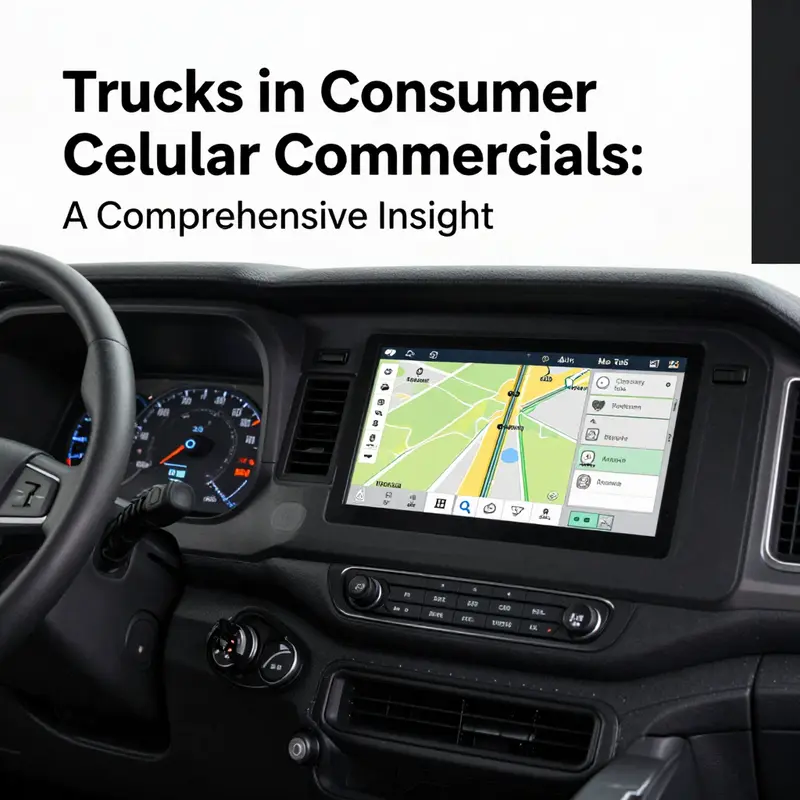
When viewers encounter a truck in a consumer-facing cellular commercial, the image often invites more questions than it answers about make or model. Yet the deeper story is rarely about the exact vehicle taking the stage. It’s about what sits behind the cabin—an invisible, reliable nervous system built on cellular connectivity that links the truck to a sprawling network of data, people, and processes. The commercial frame uses the truck as a symbol of speed, reach, and precision, but what truly matters to fleets and operators is the capacity to stay connected wherever the road leads. In practical terms, there isn’t one definitive truck type tied to the messaging; instead, the scene tends to reflect the broad class of workhorse vehicles that power commerce: long-haul semis threading interstates, delivery vans threading city corridors, and rugged utility rigs that ferry materials to sites far afield. Each serves a unique function, yet all share a common reliance on real-time information flowing through cellular channels. The vehicle is the canvas, and the data flow is the paint that creates a picture of modern efficiency and resilience on the move. That is why the term consumer cellular commercial, as a concept, points more toward connectivity than to any single chassis. The truck in such a narrative becomes a versatile platform for demonstrating how data, sensors, and wireless networks knit together the operations that keep goods moving and promises being kept. A viewer may not notice the exact bumper-to-bumper frame, but they will notice how effortlessly the truck seems to respond to demand, adjust to conditions, and communicate with the broader system that surrounds it. In this sense, the spotlight is less on a particular make and more on the ecosystem, a system that treats the truck as a mobile node within a network designed for visibility, control, and rapid adaptation.
The practical reality behind that storytelling is equally straightforward and complex. In commercial fleets today, long-haul semis, delivery vans, and a growing class of service and construction vehicles share the same essential technology stack: onboard computing that talks to cell towers, gateways that translate raw data into actionable alerts, and cloud-based platforms that translate those alerts into optimized actions. This isn’t about marketing jargon; it’s about a lived operating model in which telematics, cargo monitoring, and engine diagnostics are not afterthoughts but core capabilities. Real-time location tracking allows dispatchers to align routes with customer windows, while precise vehicle health data helps maintenance teams anticipate failures before they become unplanned downtime. Temperature or humidity sensors monitor sensitive loads, ensuring compliance and quality along the entire journey. The power of cellular connectivity emerges here as the backbone that makes all these capabilities reliable enough to rely on, especially in a sector where timing is money and delays ripple through the supply chain.
Within this broader fabric, several characteristics define the practical deployment of cellular technology in commercial trucking without anchoring to a single vehicle type. First, reliability is non-negotiable. Cellular signals must be steady enough to sustain continuous data streams from engine controllers, brake sensors, tire pressure monitors, and load sensors. The information needs to travel from the truck to fleet managers, maintenance hubs, and customer portals without interruptions. That reliability is particularly vital for telematics that support predictive maintenance, where patterns in vibration, temperature, oil quality, or fuel flow can forecast wear and failure. When a fleet can repair or replace components before a breakdown, the result is higher uptime, better safety, and a lower total cost of ownership. Second, the data itself is the payload. It isn’t merely position pins on a map; it’s a live conversation about performance, efficiency, and safety. Driver behavior analytics, for example, translate into coaching opportunities that improve fuel efficiency and reduce risk. Cargo condition monitoring alerts teams to anomalies that might indicate a door left ajar, a seal compromised, or a shock event that could jeopardize a fragile load. Third, the network must scale. Fleets operate across urban corridors and remote stretches alike, so the underlying cellular infrastructure needs to support bandwidth-intensive telemetry, firmware updates over the air, and new safety features as technologies evolve. The shift toward more sophisticated networking standards, including higher-speed, lower-latency connections, is shaping how fleets design and deploy their solutions. The corollary is a continuous cycle: as the network improves, more sophisticated capabilities become feasible, and as capabilities expand, the network must grow to accommodate them.
In this light, the ad’s truck becomes a symbol of a broader truth about modern transportation: the vehicle is the moving endpoint of a system that treats roadways, warehouses, and terminals as parts of a single, interconnected ecosystem. IoT-enabled devices, embedded sensors, and cellular connections converge to form a fabric that supports end-to-end visibility. The data from each truck contributes to a larger picture of fleet performance, route viability, and customer service. This is the operational heartbeat of contemporary trucking. It enables not only tracking and maintenance but also optimization of every mile driven, a capability that translates into tangible outcomes like shorter delivery windows, better asset utilization, and smarter risk management. Even the most mundane aspects of the journey—idle times at gates, dwell times at docks, and the precise timing of a pickup—are subject to data-driven coordination that reduces friction across the entire process.
The role of cellular connectivity goes beyond ongoing performance monitoring. It is also the enabling force behind the next wave of trucking transformation: electrification and automation. As fleets migrate toward electrified powertrains, the need for continuous, high-fidelity data becomes even more critical. Battery state of charge, thermal management of high-capacity packs, charging station availability, and vehicle-to-grid interactions all demand reliable, low-latency communications. And as automation technologies advance, advanced driver-assistance systems and platooning concepts require robust, dependable networks to coordinate movement between multiple vehicles with minimal latency. In this environment, 5G and future generations of wireless technology aren’t merely optional upgrades; they are foundational enablers of safer, more efficient, and more resilient operations. The capability to exchange information at the speed of business transforms a truck from a solitary machine into a collaborative actor within a mesh of machines, sensors, and decision-makers. Adopting and integrating these capabilities is what keeps fleets competitive, even as market conditions shift, demand grows, and rules tighten.
The practical implications of this connectivity extend to the way fleets plan and execute their capacity, particularly as markets fluctuate and service expectations rise. When demand patterns become more dynamic, fleet managers rely on data-guided decisions to optimize route planning, load pairing, and asset deployment. The ability to monitor axle loads, payload stability, and fuel efficiency in real time supports smarter dispatching and more reliable service levels. In parallel, on-road incidents or weather disruptions no longer trigger only reactive responses; they initiate proactive adjustments that mitigate risk and preserve schedules. The corollary is a culture of continuous improvement, where feedback loops from telematics and driver input are constantly funneled into maintenance planning, training, and procurement decisions. The end result is a leaner, smarter operation that can absorb shocks—from equipment misalignments to supply chain disturbances—without sacrificing performance.
For readers seeking a tangible link between the trends described here and the realities of fleet economics, consider how connectivity informs capacity planning and margin management. Fleets that can accurately forecast demand, adjust trailer utilization, and optimize loading sequences tend to maintain steadier margins even when volumes swing. The logistics calculus benefits from data that reveal how long equipment sits idle, how quickly loads move through hubs, and how preventive maintenance reduces unplanned downtime. Across these dimensions, the truck again is not the hero of a single advertisement but a conduit for systemic efficiency. The visual narrative of a connected truck in a consumer cellular commercial thus mirrors a broader industry trajectory: connectivity is the infrastructure that turns raw movement into measurable value, enhancing safety, reliability, and cost discipline across the board. And as the picture expands to include electrification and automation, the central thread remains constant—cellular technology is not an accessory but a core driver of innovation in modern trucking.
In keeping with that view, the fleet’s data landscape becomes a living map that guides daily decisions and long-term strategy. Location and condition data feed dashboards that inform dispatch decisions, maintenance scheduling, and compliance reporting. Alerts about cargo temperature, door status, or equipment health trigger timely interventions before issues escalate. The continuous exchange of information underpins remote diagnostics, over-the-air software updates, and condition-based maintenance. This is not merely a convenience; it is a capability that sustains uptime, protects cargo integrity, and preserves customer trust. The advertisement’s emphasis on speed and connectivity resonates with operators who recognize that every element of the journey—from pre-trip checks to post-delivery documentation—depends on an uninterrupted flow of information. The truck’s value, in this frame, is measured not only by distance traveled but by the reliability of the network that keeps the entire operation in motion.
To close the loop on this perspective, consider how capacity planning and data-driven visibility intersect with the everyday realities of fleet management. The logistics landscape is shaped by trailer orders, utilization rates, and the ebb and flow of demand across regions. As fleets adjust to changing volumes, the information captured by connected trucks informs strategic decisions about where to deploy assets, how many trailers are required, and what maintenance cycles are necessary to sustain performance. This is the practical backbone of a market that remains highly responsive to external forces, from regulatory shifts to macroeconomic swings. For those who want to explore this dimension further, one relevant discussion is how trailer orders influence truckload margins, a topic that underscores the financial consequences of capacity, utilization, and data-informed scheduling. Trailer orders’ impact on truckload margins.
As the narrative moves toward the horizon, the essential takeaway centers on connectivity as the essential driver of modern trucking, not the specific kind of truck you see in an advertisement. The vehicle is a mobile platform, while cellular networks and IoT systems provide the continuous, intelligent input that makes the platform productive in a complex, dynamic environment. Views of a truck negotiating a city street or tracing a remote rural route in a commercial spot carry an implicit promise: that wherever the road goes, connectivity follows, enabling smarter decisions, safer operations, and more dependable service. That promise is becoming day-to-day reality, supported by the steady evolution of wireless networks, sensor ecosystems, and data analytics that together turn movement into value. In this light, the question about the exact truck model fades, and what remains vivid is the image of a connected vehicle at the heart of a larger, highly coordinated system that keeps commerce moving in a world that never stops delivering.
External resource for deeper industry context: https://www.telenorconnect.com/insights/the-role-of-cellular-technology-in-commercial-trucks
On the Road with Connectivity: What the Truck in the Consumer Cellular Commercial Signals About Modern Networks

The image of a truck streaking down a sunlit highway in a consumer cellular commercial invites a simple question with complex resonance: what kind of truck is that, and why does it matter to a wireless network story? The straightforward answer, once you step back from the cinematic framing, is that the exact make or model of the vehicle matters far less than the role it plays in a broader system. In advertising, a truck can symbolize endurance, reach, and the ability to move goods and data with equal reliability. In the real world, however, a so-called “truck” in this context stands as a moving node in a connected logistics network. Its chassis, cab, and trailer become a platform for devices, sensors, and software that relay information about location, load, conditions, and maintenance. The commercial nudges viewers to think not about a particular vehicle but about a continuous, responsive system that keeps people supplied with the goods they rely on and, increasingly, with the signals that keep their devices and services humming along a shared highway of data.
What unfolds onscreen is less a portrait of a single vehicle than a depiction of a distributed, dynamic network in motion. The industry and its observers have long understood that trucks, when equipped with modern telematics, do more than transport. They ferry streams of data that inform routing, timing, and safety. A truck can carry a telematics box, an array of sensors, and a communications module that speaks to a central management platform. Real-time visibility becomes practical rather than aspirational: a dispatcher can see where every asset is, predict when a gap might appear in service, and reallocate resources before delays ripple through the chain. Route optimization algorithms, fed by live traffic data and weather feeds, can chart adjustments on the fly to protect delivery windows. Maintenance alerts can flag issues before breakdowns disrupt a rural or urban network. In this sense, the truck is less a vehicle with a fixed destination and more a mobile gateway to an otherwise invisible grid of connectivity.
The actual vehicle often texturizes into the film through familiar cues: the long silhouette of a tractor-trailer or the boxy, dependable line of a delivery rig. Yet, the narrative power comes from imagining that each passing mile is a data mile as well. In commercial fleets, this fusion of mobility and messaging is routine. A truck on assignment might be equipped with axle load sensors that gauge weight distribution, ensuring safety and compliance while informing cargo handling at destinations. It might feed data on tire pressure, engine health, fuel consumption, and brake status into a centralized platform that can generate alerts or forecasts for maintenance. Across a fleet, this blend of telemetry and analytics transforms the road from mere transport into a rolling data center. The commercial image leverages this perception, offering viewers a tangible symbol of reliability: a vehicle that not only carries goods but also communicates, coordinates, and stabilizes the flow of commerce across distances and time zones.
This is where the discussion naturally widens to the broader architecture of connected truck ecosystems. The phrase refers to a stack of technologies that knit trucks into a larger fabric of fleet management, logistics planning, and customer service. The connectivity layer—cellular networks, wireless modems, and the cloud that aggregates data—lets operators map the exact position of every asset, monitor its load, and adjust plans in response to developing conditions. The edge devices on the vehicle push streams to central dashboards where planners compare live status against demand forecasts, weather disruptions, and road conditions. From there, decisions ripple outward: a driver might be redirected to a different route to avoid congestion; a maintenance team might schedule service during a planned downtime; or a regional hub could re-prioritize shipments to meet urgent needs. The truck in the commercial, then, becomes a narrative hook for the productive tension between mobility and information flow—the movement of products and the movement of data that makes product movement predictable and efficient.
A practical lens on this arises when considering how such connected fleets support the communities that rely on reliable cellular service. The relationship is reciprocal: the same networks that connect people to voice and data also underpin the networks that track, route, and refresh the goods and services those people depend on. In rural or underserved areas, where road infrastructure and backhaul can present greater challenges, the resilience of both the physical road system and the digital link that supports fleet operations becomes more visible. When a carrier’s network folds into a logistics operation, the coverage strategy matters as much as the truck’s sensor suite. A strong, pervasive signal helps ensure shipments arrive on time, assets are tracked with precision, and field personnel can coordinate with central offices without interruptions. The commercial portrayal leverages this symmetry to convey a robust, dependable system rather than a single, flawless vehicle.
The interdependence of transportation and connectivity is underscored by strategic shifts in the broader telecom landscape, described in industry commentary as consolidation and expansion aimed at strengthening rural coverage and network resilience. A hypothetical scenario—one that readers may recognize abstractly instead of by brand name—illustrates how a national operator seeking to broaden its rural footprint can ripple through fleet operations. When a wireless operator extends its network into underserved regions, the improved coverage becomes a backbone for fleets that depend on continuous connectivity for tracking and communication. In practical terms, that means dispatchers can see assets in remote corridors, drivers can maintain contact with home offices, and real-time data can be leveraged to smooth schedules even where terrain and distance once imposed limits. The advertisement’s truck thus embodies more than transport; it epitomizes the real-world promise that connected mobility can deliver reliability and efficiency even in less-than-ideal conditions.
Beyond the immediate scene, the chapter’s focus broadens to the tools and platforms that empower these systems. Advances in cloud-based processing, edge computing, and artificial intelligence in automotive research are not mere buzzwords; they are the engines behind smarter routing, predictive maintenance, and safer operations. In the logistics context, AI can help interpret streams from dozens or hundreds of vehicles, learning patterns that improve on-time performance, optimize inventory flow, and anticipate bottlenecks before they appear. Cloud platforms enable cross-functional teams to coordinate across warehouses, drivers, and customers with a shared, up-to-date picture of what is moving where and when. The result is a network that not only glides along but anticipates and adapts to changing conditions. The truck in the commercial thus serves as a microcosm of a much larger system—one where visibility, responsiveness, and resilience converge to sustain a steady, interconnected flow of goods and information.
The interplay of advertising imagery and operational reality invites a more nuanced look at the economics behind fleet readiness. A fleet that is agile, well-tracked, and efficiently loaded can sustain higher service levels with lower risk. This has broad implications: it helps reduce empty miles, improves asset utilization, and supports tighter inventory cycles. When a trailer or tractor is assigned to a route, the likelihood of meeting delivery windows increases because decisions are made with current, accurate data rather than assumptions. A single truck, viewed through this lens, becomes a moving data culture—an instrument through which planning, execution, and feedback loops refine the entire supply chain. The commercial frame, therefore, is not merely about a vehicle on a road; it is about a network that uses the road to create dependable, data-informed service. This is the implicit message that resonates with viewers who rely on constant connectivity in their own daily lives, even if they do not purchase a new phone plan in the same moment they watch the ad.
For readers who want to connect the cinematic metaphor to concrete industry discussions, a closer look at how trailer orders affect truckload margins offers a valuable bridge. The dynamic between asset orders, capacity planning, and margins illuminates how a fleet manages its resources in a way that keeps delivery promises while safeguarding profitability. The logistics choices reflected in trailer orders can ripple through scheduling, utilization rates, and maintenance planning, reinforcing the theme that connectivity is a strategic asset. This is the kind of linkage that the advertised truck implicitly demonstrates: when data informs decisions about asset deployment, the entire operation gains resilience and clarity. To explore this connection further, see the discussion linked here: trailer orders impact truckload margins.
The chapter also invites readers to consider how the broader media ecosystem frames mobility and connectivity. Industry outlets have repeatedly highlighted how connected truck ecosystems—comprising telematics, route optimization, and fleet-wide data integration—are redefining what it means to move goods. The conversation extends beyond the road into the urban and regional infrastructures that support logistics, including the towers and backhaul links that carry the signal from a truck’s onboard modem to the cloud and back again. As this network grows more sophisticated, the ad’s aspirational vehicle becomes a symbol of reliability in a complex system where every mile matters. The implications for consumer cellular networks are clear: as fleets demand more robust, ubiquitous coverage and faster data processing, the networks that serve everyday communication become more deeply intertwined with the networks that move everyday goods. The truck on screen is thus a storytelling conduit, a visual shortcut that helps audiences grasp a larger, more intricate web of communication and commerce.
For readers who want to place these ideas in a broader external context, a comprehensive industry view traces how connected truck ecosystems are reshaping mobility and transportation. The discussion points to a wider movement toward integrated data platforms, cross-ecosystem collaboration, and a vision of fleets that operate with the same level of digital fluency as consumer services. The evolving landscape suggests that the seemingly simple act of delivering a package is underpinned by a sophisticated, resilient, and increasingly automated network. In the end, the truck in the consumer cellular commercial works as a narrative compass, guiding audiences toward an understanding that connectivity is not merely about smartphones or plans alone. It is about how data moves with speed and intent across a living highway of assets, people, and places, turning ordinary routes into extraordinary demonstrations of modern, connected logistics.
External resource for broader context on connected truck ecosystems and fleet management: https://www.techcrunch.com/2023/05/16/connected-truck-ecosystems-fleet-management/
Real-Time, Real-World: The Truck in the Consumer Cellular Commercial and the Surge of Fleet Connectivity
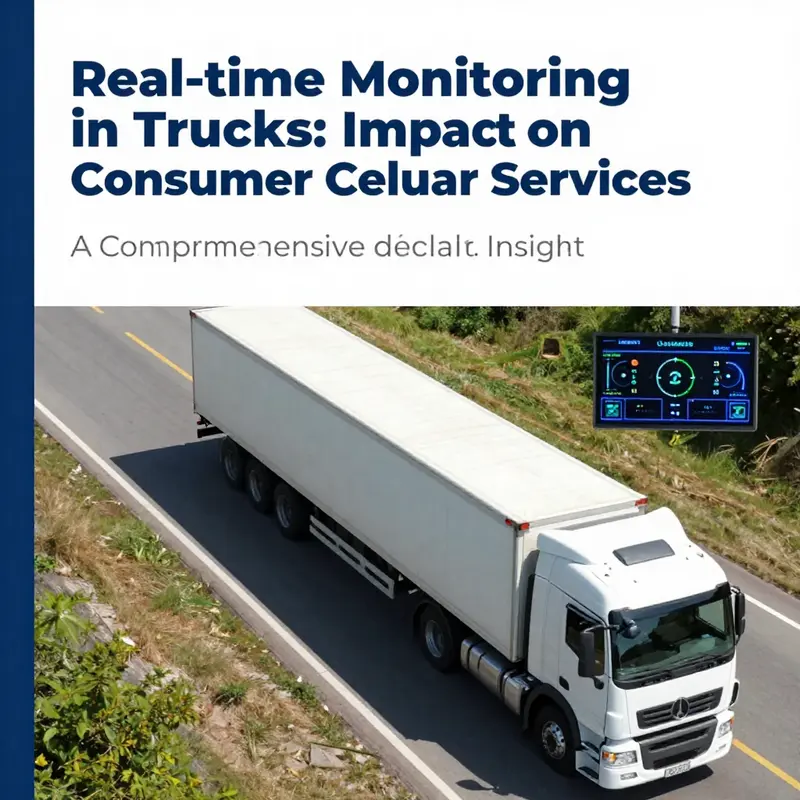
When people catch a glimpse of a truck in a consumer cellular commercial, they often linger on the image of a powerful vehicle rolling across a highway or winding through an urban street. Yet the real story embedded in that frame runs deeper than the paint, chrome, or the sound of a diesel engine. The truck in such a moment is less a particular make or model and more a symbol of a vast, interconnected system where mobility and connectivity fuse to keep goods moving, schedules intact, and customers informed. If one wants to answer the question, what kind of truck is depicted in the consumer cellular advertisement, the truthful answer is both simple and complex: it is a generic workhorse that stands in for a fleet, a collective of vehicles united by data and communication. In practice, fleets rely on a spectrum of truck types—long-haul semis, dump trucks, and delivery vans—that share a common thread: a growing dependence on cellular-enabled technologies to monitor, manage, and optimize every mile and every minute of operation.
That dependence has quietly reshaped how people understand the role of trucks in modern life. The same cellular signals that connect a phone to a network now connect engines to dashboards, tires to telematics, and drivers to dispatchers. In the broadest terms, the truck becomes a data generator on wheels. From a business perspective, this data stream is not an ornament; it is a lifeline. It fuels real-time vehicle tracking, informs driver behavior, and powers route optimization. It also serves as a diagnostic monitor, capable of flagging engine trouble before a breakdown, confirming cargo integrity, and signaling when a shipment has reached its destination. The consequence is a fleet that can be more productive, more predictable, and more transparent to customers who rely on timely deliveries and accurate ETAs.
To see why this matters for the consumer cellular landscape, consider the behavioral shift in fleets as they embrace continuous data transmission. The minute-by-minute heartbeat of a truck’s location, its speed, its fuel use, and its cargo temperature—these are not luxuries. They are essential inputs that feed back into scheduling systems, customer notifications, and maintenance planning. The demand for robust, reliable cellular connectivity expands beyond classic voice and messaging. It calls for bandwidth, low latency, and resilience, particularly when a truck moves through varied terrains and, increasingly, through networks where rural coverage is uneven. This pressure on the network is not hypothetical. It turns into real-world considerations for how carriers design their services and price their plans for both commercial users and general consumers.
Within the commercial ecosystem, different truck types play distinct roles but share the same digital backbone. Long-haul trucks traverse vast distances and depend on telematics to coordinate with warehouses, terminals, and drivers across time zones. Their dashboards are not only about speed or fuel efficiency; they are about operational tempo—how quickly a driver can be rerouted to avoid a delay, how accurately a cargo status can be relayed to a customer, and how reliably a chain of events remains synchronized from pick-up to delivery. Dump trucks, often found at construction sites and mining operations, depend on real-time information for equipment health, load monitoring, and site coordination. Delivery vans and box trucks operate at a different cadence, where the emphasis shifts toward urban routing, last-mile visibility, and customer-facing communication. In all these cases, cellular connectivity becomes less an optional upgrade and more a foundational requirement. It is the thread that binds field operations to the planning room and to the customer’s expectations.
The commercial narrative in the advertisement, then, becomes a microcosm of a broader shift toward connected fleets. The truck pictured on screen is not just a conveyance; it is a mobile node in a wider network, a conduit for data that clarifies the status of goods and the pace of delivery. The perception of the truck’s role mirrors how many businesses now operate: as a distributed system where every vehicle contributes to a larger picture of efficiency and reliability. This conceptual frame helps explain why the question about the truck’s type often dissolves into a discussion about its connectivity infrastructure. If the commercial communicates anything with clarity, it is that the modern truck, regardless of its precise model, is equipped with a set of cellular-enabled capabilities that keep the vehicle, the cargo, and the people involved in the supply chain in constant dialogue.
From a technical standpoint, the real-time data streams generated by trucks are anchored in GPS-based tracking, telematics, and vehicle-to-network communications. Location updates flow to dispatchers and customers, enabling precise ETAs and proactive re-routing when conditions change. Engine diagnostics transmit performance metrics, alerting maintenance teams to potential failures before they escalate into downtime. Cargo status updates verify that delicate goods remain secure and within required conditions. And one of the most transformative aspects is the driver-dispatch interaction: real-time messaging and updates ensure that the person behind the wheel has the latest intelligence about road conditions, gate access, and delivery instructions. Taken together, these capabilities illustrate how cellular technology begins to function as an industrial-grade nervous system, coordinating thousands of moving parts in a way that makes the entire operation more cohesive and resilient.
This convergence also reframes how cellular networks themselves are imagined. The world of consumer mobile service, once dominated by simple voice and text, now shares the spectrum with dedicated industrial data traffic. The heavy, continuous data streams produced by fleets demand reliable, low-latency connectivity that is not easily squeezed into the same lanes as everyday consumer usage. Carriers and network operators have responded by shaping specialized IoT plans and by investing in infrastructure upgrades. The shift toward 4G LTE and 5G deployments is not merely about higher speeds for smartphones; it is about creating a robust canvas on which fleet management tools, telematics, and edge computing can operate with minimal delay. The consequence is a segmentation of network resources that helps protect consumer experience while ensuring commercial users receive the bandwidth and reliability their operations require.
As with any large-scale adaptation, there is a tension to manage: potential congestion. When fleets aggregate in urban centers or near major distribution hubs, the volume of data traffic rises markedly. Location pings, status updates, and diagnostic checks can cluster, particularly during peak hours or inclement weather when reroutes and alternate routes proliferate. In such moments, the urban core can become a pressure cooker for data. The industry response has been multi-pronged. Carriers develop IoT-specific plans designed to isolate heavy-duty truck data traffic from general consumer usage. They also invest in backhaul capacity, edge computing capabilities, and new spectrum strategies that improve reliability where it is most needed. These moves are not abstract; they translate into actual service quality for fleets and, indirectly, for consumers who benefit from on-time deliveries and improved customer service during peak periods.
The practical outcomes extend beyond the direct user of the data on a dash or a dispatch screen. For the person at home or in the office monitoring a delivery window, the ability to track a truck in real time tends to increase confidence in logistics networks. It also nudges consumer expectations toward greater transparency and predictability. A household that anticipates a package knows more about when to expect it and can respond quickly if a delay arises. In manufacturing and retail, the same transparency supports more efficient inventory management and smoother replenishment cycles. The chapter’s thread about the truck in the consumer cellular commercial is not just about imagery; it is about an evolving ecosystem where connected mobility shapes both how goods move and how people experience that movement.
This evolving ecosystem also invites reflection on how we frame the “kind of truck” question in public discourse. In many cases, the answer will point to a spectrum rather than a single silhouette. The commercial might show a generic heavy-duty chassis that looks dependable and capable, but the real work happens in the software, sensors, and networks that connect that chassis to a live operations center. The truck becomes a platform on which a suite of services operates: geofencing and route optimization, engine health monitoring, cargo temperature controls, and an always-on link to a human operator who makes strategic decisions in real time. The effect is to elevate the truck from a passive carrier into an active participant in a digitized workflow. In the end, the value of the imagery lies in what it communicates about reliability, speed, and accountability—qualities that resonate with both business decision-makers and everyday consumers.
The discussion would be incomplete without acknowledging the human dimension that underpins these technological shifts. Drivers, dispatchers, technicians, and customer service teams all depend on a reliable cellular backbone to perform their roles well. The driver’s ability to receive timely route updates, the dispatcher’s capacity to adjust plans on the fly, and the mechanic’s access to diagnostic information all hinge on continuous connectivity. The narrative in the commercial, whether intentional or not, invites viewers to recognize that technology and people are co-authors of the delivery story. The truck is the visible symbol, but the unseen infrastructure—the cellular networks, the data analytics, and the operational practices—gives the truck its purpose and its power. This realization aligns with the broader move toward intelligent logistics, where every vehicle is a node in a dynamic system designed to minimize wasted time, lower costs, and improve reliability for customers who rely on timely, accurate information about their shipments.
Interpreting the commercial through this lens also opens a practical path for readers to connect with industry trends and policy considerations that shape fleet operations. If one accepts that the advertisement represents a fleet‑scale system rather than a single vehicle, it becomes sensible to explore how industry dynamics—such as shifting demand for trailers, evolving emissions standards, and regulatory updates—bear on the types of trucks fleets deploy and the technologies they adopt. A useful indication of this interplay can be found in ongoing analyses of trucking economic trends and their impact on trailer orders. Trucking Economic Trends Affecting Trailer Orders offers a lens into how macro forces translate into equipment choices, maintenance schedules, and capital expenditure, further illustrating how the modern, cellular-enabled truck is part of a larger economic and logistical ecosystem.
In sum, the question about what kind of truck is in the consumer cellular commercial does not require naming a particular make or model. It invites a broader consideration of how fleets function in a world where connectivity is the engine that powers accuracy, speed, and resilience. The truck in the ad is a stand‑in for a network of vehicles each sending and receiving critical data through cellular channels. It embodies a shift from isolated machines to integrated systems designed to minimize surprises and maximize reliability. And as observers, we are pulled into recognizing that the vehicle’s significance lies not just in its chrome or its engine roar, but in its role as a mobile node that keeps a connected economy moving—one real-time update at a time.
For readers who want to explore how these real-time capabilities translate into everyday improvements in fleet management and consumer experiences, the literature offers a rich vein of analysis. Real-time monitoring in trucks drives a cascade of benefits, from improved route planning to more proactive maintenance, all supported by a resilient cellular backbone. The broader implication is that commercials depicting trucks of any stripe are increasingly likely to reflect a future where every vehicle is part of a data-driven network. As this network grows, consumer cellular services will continue evolving to meet industrial demands while preserving the quality and reliability that everyday users expect. The truck on screen may be a generic silhouette, but the system it represents is distinctly concrete, measurable, and transformative for both industry and everyday life.
External reference for further reading: For a deeper look at real-time vehicle tracking and its impact on productivity in fleet operations, see https://www.gpsinsight.com/blog/real-time-vehicle-tracking-and-productivity.
Final thoughts
The relationship between trucks and cellular technology is vital in optimizing logistics and delivery services. Understanding the types of trucks commonly featured in consumer cellular commercials not only highlights their functional importance but also emphasizes the impact of integrated cellular solutions. By harnessing these technologies, logistics companies can significantly enhance their operational efficiency and meet the evolving demands of the market.