
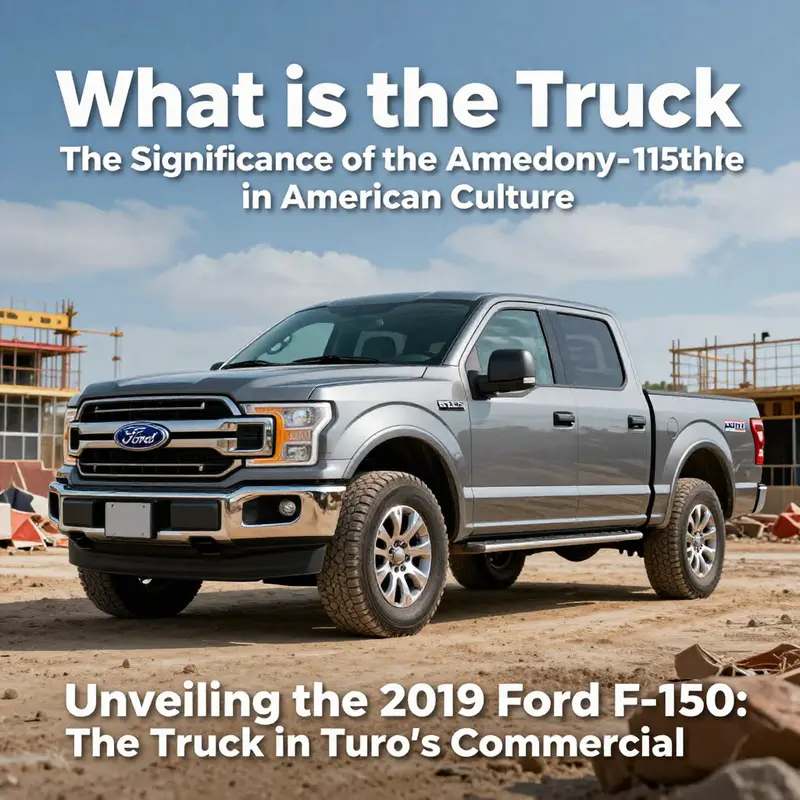
The 2019 Ford F-150, prominently featured in Turo’s advertising campaigns, serves as a powerful symbol of capability and adventure within the logistics and delivery sectors. As the backdrop to Turo’s ‘Drive It Like You Mean It’ series, this truck highlights the adaptability and versatility crucial for logistics and freight operations, as well as the procurement needs of construction and mining enterprises. In this comprehensive exploration, we delve into the technical specifications and features of the 2019 Ford F-150, analyze Turo’s innovative marketing strategies, and present user feedback from those who have utilized the platform for rental needs. Each chapter contributes to a holistic understanding of the truck’s relevance in today’s marketplace and its significance within American culture.
Power and Possibility on Four Wheels: Decoding the Truck Behind a Leading Rental Ad
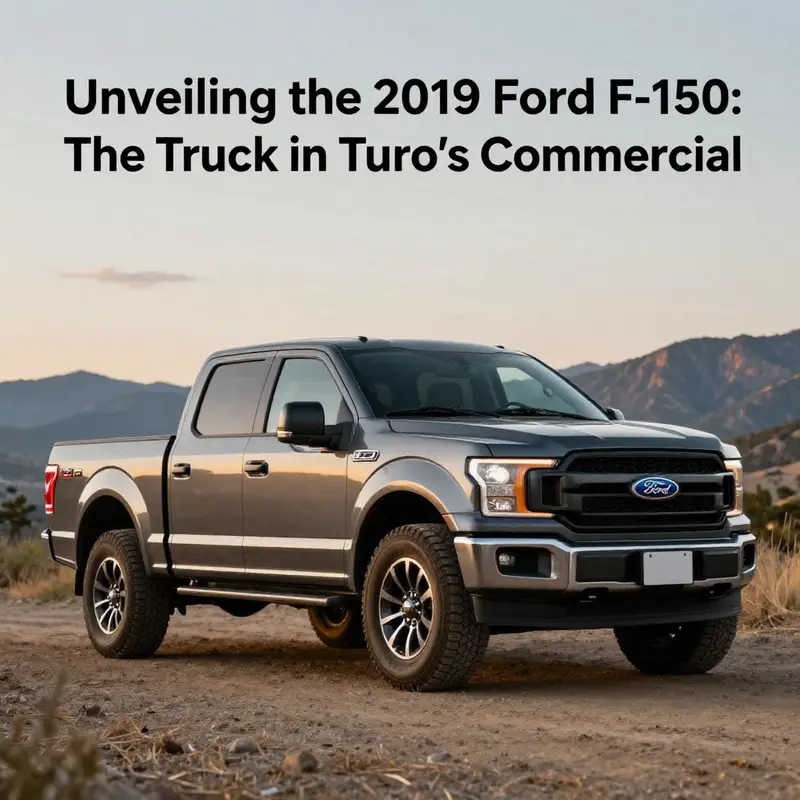
On screen, a muscular, full-size pickup traverses a landscape of open highways and rugged terrain. It is the centerpiece of a campaign built around access, flexibility, and the thrill of the road. The rental marketplace behind the ad presents such pickups not as luxury toys but as practical tools for everyday ambition. This is not about ownership so much as possibility: you can summon big capability for a day or two, and let the journey unfold on your terms. The truck is designed to speak to two kinds of viewers—the planner who needs dependable transport for a weeklong trip, and the improviser who craves spontaneous weekend adventures. By blurring the line between ownership and rental, the spot implies that true freedom lies in pairing momentum with equipment capable of handling both ordinary tasks and unexpected detours.
Inside, the cabin communicates space and durability in equal measure. The interior feels roomy enough for a crew or a cargo-focused solo trip, while the cargo bed remains ready for camping gear, bikes, or groceries. The powertrain is described in broad terms as capable, delivering confident acceleration on highways and steady torque on uneven surfaces. A payload-management system hints at practical design, helping balance weight in the bed for real-world use. The safety technologies are framed as helpful partners—the kind of assistive systems that increase confidence rather than intrude on the drive. In the narrative, these features matter less as specs and more as enablers of assurance, letting people push beyond familiar routes and trust their equipment to perform when the road turns rough or uncertain.
From a storytelling angle, the ad leans into landscapes that evoke a road-trip fantasy. There are stretches of highway inviting speed, followed by dirt roads demanding grip and control. Scenes show the truck negotiating grades, skirting rocky trails, and lingering over scenic overlooks where the horizon promises limitless options. Such imagery reinforces a core idea: capability is not just raw power but adaptability. The vehicle becomes a companion across contexts—daily errands one moment, a weekend expedition the next. The rhythm—moments of quick pace, then deliberate travel—mirrors how many actually use a vehicle like this in real life: balancing chores with bigger adventures.
That balance sits at the heart of how the rental model frames access to high-capability vehicles. The approach removes ownership friction, letting a customer curate an experience around a vehicle that can shoulder chores and adventures alike. Think of it as a toolkit, where reliable power and versatility form the building blocks of plans you may not have until you decide to act. The ad embraces both practicality and aspiration, aligning with broader shifts in transportation toward flexibility without heavy commitments. It also nods to a market dynamic—the presence of substantial capacity in the trucking ecosystem, with fleets and independent operators responding to demand by deploying versatile hardware more efficiently. For readers curious about how capacity shapes market behavior, a piece on excess capacity in the trucking market insights offers context. Excess capacity in the trucking market insights.
Beyond the surface narrative, the vehicle’s technology matters to the impression it leaves. The ad suggests a modern powertrain and connected systems rather than listing figures. The emphasis is on the harmony of power delivery with stability and safety, implying a partner that can manage shifting loads, weather, and terrain. The payload-management approach signals careful integration of bed use with cabin comfort. In practical terms, that could translate into easier packing, better weight distribution when towing, or more secure cargo on a windy stretch. The goal is not to rattle off specifications but to connect the viewer with the idea that a well-designed tool makes adventure less daunting and more inviting.
These observations matter for anyone studying how car advertising plays in a rental-driven world. The commercial relies on familiar cues—the open road, the promise of accessible power, the thrill of controlled risk—to invite viewers to imagine themselves behind the wheel. It presents the pickup as a versatile instrument able to handle everyday tasks and to open doors to exploration. The takeaway is simple: borrowing a vehicle for a short time can expand plans without sacrificing reliability or peace of mind. In that sense, the star truck becomes not a symbol of ownership dreams but a catalyst for experiences that might otherwise stay on the wish list. The ad’s effectiveness rests on emotional resonance—the sense that capability is portable, affordable, and always within reach.
As the chapter turns, it’s worth considering how such portrayals shape expectations. The pickup in the advertisement is not a museum piece; it is a dynamic, adaptable tool with rugged charm. The narrative does more than inform about attributes; it invites viewers to picture themselves using the truck in various scenarios. It builds a bridge between planning and impulse, between the comfort of home and the pull of the road. And because the rental model foregrounds accessibility, the audience becomes part of a broader mobility story—a story where the opportunity to explore can be scheduled, paused, or extended as needed.
While the exact horsepower figures and trim levels aren’t spelled out, the practical implications are clear. A capable, versatile pickup with room for gear and people, with thoughtful cargo solutions and modern safety aids, can change how we approach travel and daily tasks. The commercial’s vehicle embodies that promise: a tool that handles chores, transports gear, and connects travelers to landscapes they might otherwise only see in photos. In the end, the truck in the ad serves as a vehicle for a larger idea—the democratization of access to space and power for those who crave movement. The advertising approach suggests that people no longer need to own a fleet of specialized vehicles to enjoy a broad range of experiences; instead, they can rely on a shared, flexible option that makes the road feel approachable and within reach.
External reference: official pickup truck page
What Is the Truck in the Turo Commercial? A Close Look at the High-Performance Pickup Driving the Campaign
In the spotlight of a well-known advertising campaign, a single vehicle stands as more than a prop. It becomes a character in a narrative about freedom, possibility, and the thrill of the open road. The truck chosen for the Turo commercial embodies a blend of rugged capability and refined technology, a tool designed to promise adventure while staying accessible through a rental marketplace. The chapter that follows unpacks what makes this vehicle so effective on screen and why its technical profile matters to viewers who may encounter it in the wild—a test drive down a sunlit highway or a gravel road that curls around a mountain pass. Rather than naming brands or model lines, this exploration centers on the essence of the machine: its powertrain, its chassis, its interior and exterior cues, and the way those details reinforce the campaign’s core message about flexible, on-demand access to high-performance mobility.
At the heart of the vehicle is a powertrain that blends torque and hustle in a way that immediately communicates capability. A twin-turbocharged V6 engine displaces about 3.5 liters, delivering roughly 375 horsepower and around 672 pound-feet of torque. Paired with a 10-speed automatic transmission, this combination is tuned for rapid response at both low revs and mid-range rushes, a balance that translates into on-screen scenes where the truck surges up a hill, powers through a dusty wash, or accelerates onto a highway with authority. The powertrain’s character—instant pull, clean roll-out, and confident passing power—helps justify the visuals of the campaign, where ownership of the road feels within reach for a renter who wants more than a commuter car. In practical terms, that means smooth, predictable performance in a variety of terrains, from smooth pavement to uneven terrain, enabling the narrative to hinge on experience rather than engineering drama alone.
Drivetrain dynamics play a crucial supporting role in this story. The truck is designed with a front-mounted engine and a four-wheel-drive system, with a configuration that leans toward a part-time 4WD setup. This arrangement communicates capability without suggesting tent-pole off-road rigidity. In the ads, the vehicle can shift from city street to forest road without a jolt, maintaining composure in corners and stability when traversing loose surfaces. For a consumer watching the spot, the implication is straightforward: you can rent this machine for real adventures, and it will respond with the kind of predictable, reassuring traction that makes a road trip feel both safe and exciting. The dimensions of the vehicle—the length hovering around 19.4 feet, width about 7.2 feet, and height near 6.5 feet, with a wheelbase just over 12 feet—evoke the familiar silhouette of a full-size pickup. Those proportions contribute to a sense of presence on screen and a practical edge off-screen, signaling space for cargo and confidence in all-weather capability.
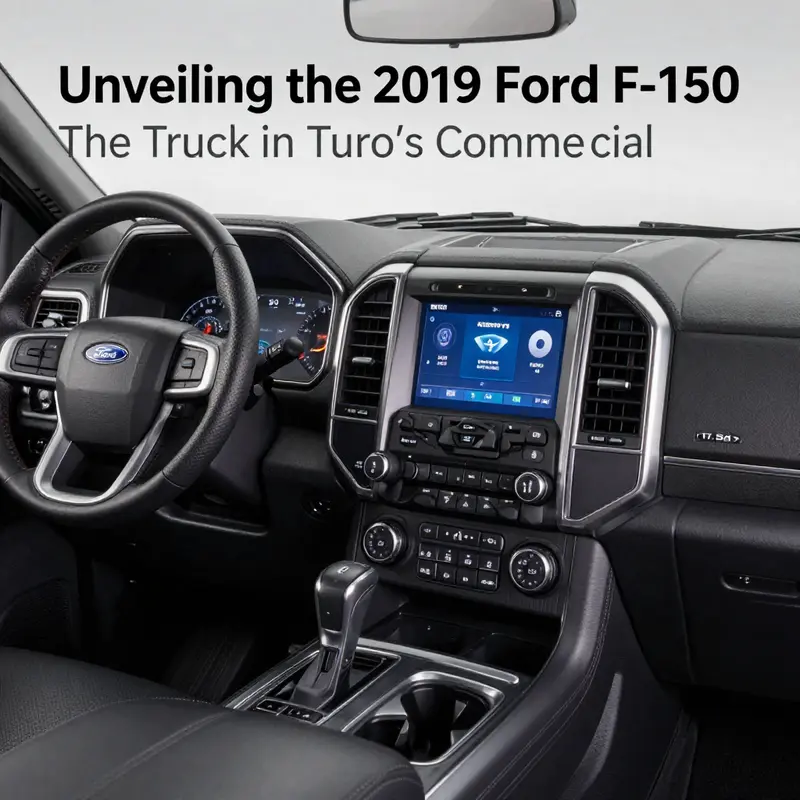
Inside, the cabin is a study in practicality married to comfort. The seating surfaces emphasize performance without sacrificing everyday usability. Expect sport-style seats that hold the occupant securely in place during spirited drives, complemented by a cockpit that leans toward driver-centric ergonomics. The interior features are designed to feel premium without becoming inaccessible. An eight-inch touchscreen anchors navigation and connectivity, and the system extends beyond basic infotainment by integrating GPS, Bluetooth, and a Wi-Fi hotspot. The convenience package includes remote start and keyless entry, which are the kinds of touches that resonate with renters who value seamless access. Front-seat accommodations are heated and power-adjustable, while ambient lighting can be customized to suit the mood of the journey. All of these elements contribute to a sense that the vehicle is not merely a tool for transport but a companion for exploration, a companion that makes long journeys feel more controllable and more enjoyable.
Exterior design cues reinforce the message of power tempered by refinement. A dark, bold grille immediately signals presence, complemented by a prominent vertical identity and large, assertive badging that suggests strength and readiness. The exhaust system ends in twin tips that balance performance acoustics with a refined sound profile. The color palette chosen for the campaign is particularly evocative, featuring a deep blue finish that catches sunlight in a way that reads as both rugged and elegant. The rear end receives its own design language—an updated bumper and redesigned tail lights that emphasize a clean, modern silhouette. Optional badging on the cargo bed door offers a touch of personalization, signaling that the same vehicle can be configured to reflect a renter’s own taste for style and utility. Taken together, the exterior cues tell a cohesive story: a vehicle built to conquer longer journeys and to do so with a sense of purpose and sophistication that invites curiosity rather than intimidation.
Beyond the hardware, safety features frame the narrative around responsibility. Standard systems include lane-keeping aids, forward-collision warning, adaptive cruise control, and electronic stability control. In the context of a rental platform and a broad audience, these technologies are not only about performance but about reassurance. They imply that a renter can push the vehicle toward adventure while maintaining a robust safety net. The campaign’s tone benefits from such clarity: audiences are drawn to capability, yet they also want confidence that the vehicle behaves in a controlled way when the road conditions demand it. The result is a balanced portrayal of power with practical safeguards, a pairing that aligns with the platform’s emphasis on reliable access to aspirational mobility.
The truck’s function in the Turo campaign goes beyond mere spectacle. It operates as a tangible symbol of what the rental marketplace promises: versatility, freedom, and the chance to test-drive something larger than the usual car-for-commute. The narrative avoids glamorizing extravagance; instead, it suggests an everyday path to extraordinary experiences. In one scene, the truck tugs at the edge of exploration, dragging the viewer toward landscapes where the journey matters as much as the destination. In another, it demonstrates confidence on a winding road, a reminder that the right vehicle can expand the bounds of a weekend or a weekday excursion. This is the essence of the marketing idea—that access to the right tool at the right time expands what a person is willing to attempt and ultimately experience.
In light of broader industry dynamics, the appeal of flexible asset use sits at the intersection of consumer desire and logistics realities. As fleets and marketplaces adapt to shifting demand, articles and analyses on capacity and utilization offer helpful context for why a platform would highlight a high-performance vehicle in its roster. For readers interested in the supply-side shifts that shape such campaigns, one useful exploration is the discussion around excess capacity in the trucking market, which sheds light on how platforms seek to optimize utilization through alternative channels and ownership models. This broader lens helps explain the strategic value of featuring a premium, capable pickup in a rental marketplace—it’s a move that aligns aspirational consumer interest with the logistical pragmatism of asset sharing. Excess capacity in the trucking market insights.
Viewed through this lens, the commercial becomes less about a single model’s specs and more about signaling a philosophy: owning a remarkable vehicle can be a momentary choice, but the ability to access that vehicle—on demand—opens doors to experiences that were previously out of reach. The campaign crafts a narrative where the viewer imagines a weekend escape, the thrill of unchecked road ahead, and the ease of arranging such a trip through a simple, user-friendly service. The vehicle’s technical backbone—its torque-rich powertrain, sturdy four-wheel-drive architecture, and technologically informed cabin—serves the story by turning practicality into anticipation. The exterior design cues and the deliberate color choice further reinforce a sense of presence and purpose, ensuring that the truck remains memorable even after the screen fades to black.
As the chapter closes, the deeper takeaway is not only what the truck can do, but how its portrayal in the advertisement aligns with a broader movement toward experiential consumption. People want access, autonomy, and immediacy, and the vehicle in question embodies all three. Its performance character, interior comfort, and safety profile deliver a convincing proposition: that rent-and-drive experiences can rival ownership when the right platform, vehicle, and story converge. The truck thus becomes a compact case study in marketing mobility—an artifact of a campaign that is as much about the ethos of exploration as it is about the mechanics of a single model. The result is a persuasive reminder that the most effective tools in advertising are those that enable audiences to imagine themselves in the driver’s seat, ready to answer the call of the next horizon.
External resource: https://truckplusllc.com/trailer-market-crisis-manufacturers-adapt-strategies/
Rugged Symbol on the Open Road: Decoding the Truck at the Heart of a Modern Car-Sharing Campaign
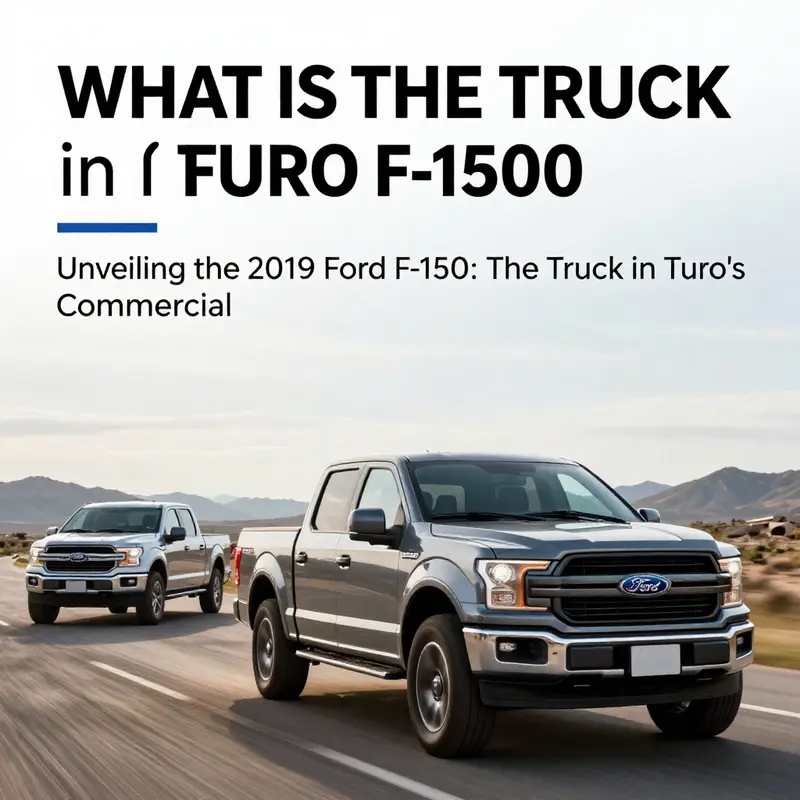
The opening frame of the campaign lingers on a rugged full-size pickup as it snakes through a sequence of landscapes that feel almost like a road trip through a mood board. The vehicle is not presented as a mere rental option; it is a visual manifesto. It speaks first to capability and second to possibility: the idea that a single ride can unlock a dozen kinds of adventures, from a long-haul haul to a weekend escape with enough room for gear and friends. As the camera moves from sunlit coastlines to gravel backroads and then to misty ridgelines, the truck stays at the center, a steady anchor amid a shifting backdrop. The point, clearly conveyed without ever saying a word, is simple: freedom in travel begins with the vehicle you choose and the openness to shape your itinerary. This is less a product pitch than a narrative about control, appetite for exploration, and the comfort that comes with knowing you can carry the life you want to lead into any terrain you choose to explore.
In this telling, the marketing frame goes beyond the transaction. It leans into a lifestyle proposition, one that elevates car sharing from a convenience to a cultural choice. The truck in the spotlight becomes a symbol for versatility, for the idea that road trips are not a single path but a spectrum of destinations, activities, and memories waiting to be assembled. The imagery matters as much as the message: a vehicle that looks ready to haul a tent, a kayak, or a stack of adventure gear signals that options are not limited by the usual constraints of a rental process. The narrative suggests that the platform’s inventory—spanning everyday compacts to purpose-built trucks and practical vans—mirrors the wide range of human interests and the many ways people want to move through the world. The pickup’s visual heft reinforces a core promise: travel can be personal, responsive, and tailored to one’s timetable and temperament.
Yet the truck’s prominence serves a deeper strategic aim. It situates car sharing as a lifestyle choice rather than a price-driven decision. The ad invites viewers to imagine a trip that feels custom-made—where the vehicle’s size, shape, and cargo capacity align with a particular dream: a coastal drive with friends, a mountain detour to shoot a film or photograph the landscape, a camping swing through a series of remote campsites. The campaigns’ pacing—gradual reveals of landscapes, punctuated by the truck’s unassuming power—frames ownership not as possession of a single asset but as access. Access means freedom to pivot, to rechart a route when the mood changes, to add a new stop without the constraints of a rigid rental agreement. The truck becomes a portal, and the ad suggests that the platform’s value lies in enabling access to a broader fleet of possibilities than a typical rental company would offer.
From a marketing perspective, the choice to foreground a rugged pickup speaks to a broader consumer truth: many travelers increasingly want experiences that feel both authentic and practical. The same vehicle that can tow a trailer or carry a week’s worth of gear can also function as a comfortable home base for a spontaneous road trip. The campaign’s core message—flexibility and personalization—resonates across generations that prize autonomy and responsiveness in travel. The truck’s presence addresses a practical concern as well: the anxiety about whether a vehicle can handle both the journey and the payload. By placing a capable, storied vehicle at the center, the ad eliminates that friction at the outset, inviting viewers to imagine a trip where every mile aligns with their readiness and appetite for discovery. The experience is less about renting a car and more about curating a personal expedition in which the vehicle is a partner, not a constraint.
This symbolic frame is reinforced by how the campaign positions owners who list their vehicles on the platform. The truck you see on screen is, in a sense, an athlete in a broader lineup. It embodies the platform’s underlying logic: everyday car owners can turn their assets into opportunities for others’ adventures. The marketplace becomes a community where a truck parked in a driveway can become a gateway to a family road trip, a student’s cross-country project, or a film crew’s location vehicle. The entrepreneurial spirit is not a sidebar; it’s woven into the narrative that celebrates heterogeneity in the fleet. The broad spectrum of vehicles—ranging from common commuter cars to specialty vehicles—signals that there are countless ways to match a traveler’s dreams with a real, usable machine. In this sense, the truck isn’t just a subject of the advertisement; it is a touchstone for the platform’s promise to democratize access to transportation and, in doing so, empower individuals to reimagine how they experience movement.
The strategic use of a single, powerful vehicle also addresses a familiar question in shared-economy markets: how to build trust and mitigate risk when strangers share assets. The campaign leans on the truck’s cultural resonance as a symbol of dependability and capability. While the specifics of insurance and protection are essential in every transaction, the aesthetic and emotional carry of the truck helps to ease perceived risk in the consumer psyche. It suggests that the vehicle is more than a commodity; it is a trusted instrument for a safe, reliable journey. The narrative implies that the platform supports trips with robust coverage and safeguards, even as it emphasizes personal autonomy and the joy of discovery. By anchoring trust in the image of a sturdy, adaptable truck, the campaign makes the abstract concepts of insurance and safety feel tangible and reassuring in the moment when a viewer decides to book.
As the scenes unfold, the truck’s role crystallizes into a broader commentary about how people want to travel today. The ad asserts that the means of getting from point A to point B can—and should—be as flexible as the itineraries people craft in their minds. The vehicle is a catalyst for imagination, a prop that makes visible the idea that travel is not a one-size-fits-all service but a customizable experience that adapts to weather, cargo, mood, and pace. The imagery invites an emotional response: the thrill of a spontaneous detour, the comfort of a familiar cabin on a long night drive, the satisfaction of reaching a lookout after a winding descent. In that sense, the truck is less about a particular make or model and more about the power of choice—the power to assemble a trip that feels uniquely yours. The narrative invites viewers to consider how they would shape a journey if they had access to a fleet capable of reflecting their lifestyle and their ambitions in the moment.
For readers who want to see the broader context of this kind of market signaling, the discussion around vehicle availability and capacity—how providers and platforms interpret and respond to market dynamics—offers useful angles. In particular, industry observers note that actors in the trucking and mobility space are increasingly attentive to excess capacity and the ways in which that capacity can be matched to demand through flexible platforms. excess capacity in the trucking market insights. This framing helps illuminate why a single truck in a commercial narrative can carry so much strategic weight: it is a concrete manifestation of a larger ecosystem that prizes agility, scale, and the ability to tailor offerings to individual needs.
The narrative built around the truck also invites reflection on a broader question: how does a brand’s creative choice shape consumer expectations about what “sharing” means in transport? The answer, embedded in the imagery and pacing of the campaign, is that sharing is not about relinquishing control or accepting a generic experience. It is about reclaiming agency—about choosing when to travel, how to travel, and with what kind of vehicle—so that each trip feels personal and responsive to the moment. The truck becomes a nightly beacon in the storyboard, a reminder that the road is not merely a route but a canvas on which travelers sketch their own stories. In this sense, the advertisement performs a double duty: it showcases a fleet that can meet diverse needs while also cultivating a mindset that sees travel as an extension of personal identity. The open road, in its most modern form, is where flexibility, trust, and aspiration converge into a single, powerful image.
As the chapter moves toward the next layer of analysis, the central idea remains clear. The truck in the campaign operates as a symbolic instrument that communicates more than capability; it conveys aspirational autonomy and the thrill of what’s possible when access to a broad, adaptable fleet is within reach. The imagery is not a call to buy or to own a particular vehicle; it is a call to reimagine travel as curated, controllable, and richly personal. The road is not just a path; it is a medium through which people assemble their own journeys, one mile at a time, with the truck as their steadfast ally on the way. This is the essence of the narrative—and the lasting impression the campaign aims to leave on viewers who, in that moment, are invited to picture themselves on the road of their choosing.
External resource: For a broader context on how regulatory and industry dynamics influence vehicle access and market signaling in the trucking and mobility space, see this external discussion on emissions regulations and industry clarity: emissions regulation clarity among OEMs.
The Turo Truck Revealed: How a Vintage 1973 Ford F-250 Became the Brand’s Iconic Road-Trip Companion
When Turo first rolled out its signature campaigns, the impulse was clear: rent a car, but rent into a story. The vehicle that anchors those visuals is not a gleaming showroom exemplar but a weathered, character-rich machine that has lived a long life on the back roads and highway shoulders alike. The star of the campaign is the 1973 Ford F-250, a vintage pickup that people have nicknamed the “Turo Truck.” This choice matters as much for what the truck communicates as for what it can carry. In a marketing landscape that often leans on sleek new models to promise reliability, the F-250’s rugged silhouette, squared-off grille, and a bed scarred by decades of use convey something else: authenticity, resilience, and the thrill of a road trip that unfolds more slowly and more personally. The result is less a product spotlight and more an invitation to imagine what an adventure could feel like when it arrives not as a polisher’s dream but as a working companion that a private owner is willing to share with a traveler who loves the open road as much as the destination itself. This is precisely why a later memory of a newer F-150 in certain retellings persists—what endures is the aura, the vibe of a machine that looks ready to tackle dirt roads, windswept overlooks, and late-night campfire talks, not merely a vehicle to shuttle someone from point A to point B.
Within the run of Turo’s advertisements, the F-250 stands as a symbol of freedom and adaptability. It is not merely a means of transport; it is a character in the narrative of exploration. The truck’s rough charm invites a certain kind of renter—the traveler who wants more than a quick spin around a city block. It appeals to those who view the journey as an essential part of the experience. The campaign leverages the truck’s aura to say that renting on Turo isn’t about choosing a generic set of wheels but about stepping into a vehicle that has its own story to tell. The idea is simple and powerful: when you head out in a vintage workhorse, you carry with you a slice of history and a sense of discovery that modern, mass-produced cars often struggle to convey. The camera catches the breath of the road through the old exhaust note, the creak of a bench seat that invites conversation, and the memory of landscapes that seem to widen just for you. In that sense, the Turo Truck is less about the year stamped on the VIN than about the experiential promise: a road trip that feels earned, not manufactured.
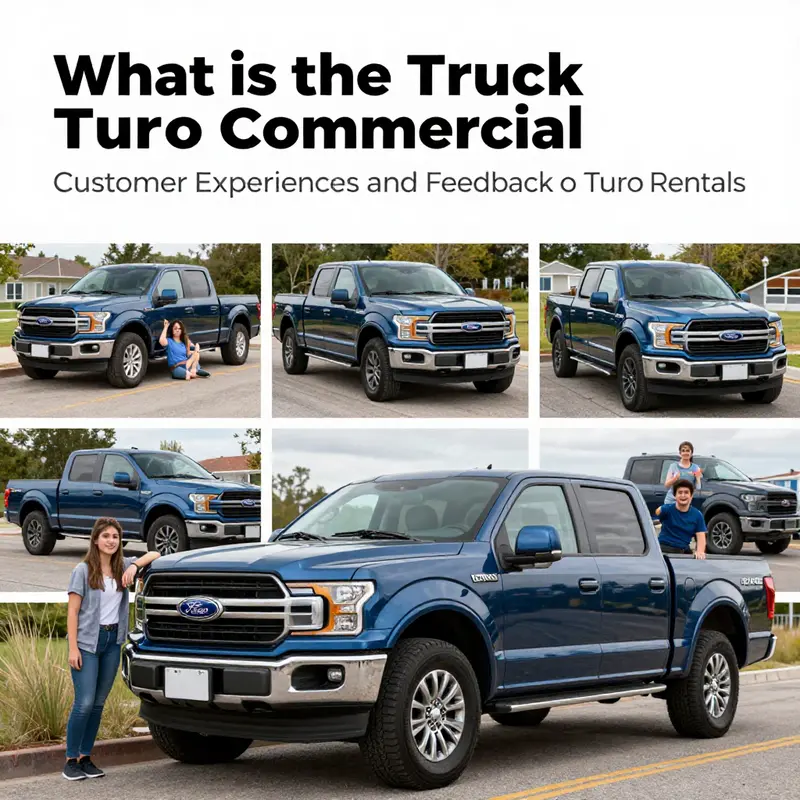
Customer feedback about the kinds of vehicles available on Turo reinforces why a 1973 F-250 can resonate so strongly. Renters often celebrate the authenticity and character that such a vehicle brings to a journey. They recall how a vintage truck can transform a trip from a routine checkmark on a map into a memory etched in wind and light—how a rugged truck makes overlooks feel earned and how the clatter of a mechanical cue becomes part of a shared journey. Yet the same forum of experiences reveals a practical counterpoint. Concerns about maintenance, reliability, and insurance coverage loom larger with older or less common vehicles. An engine that has spent decades answering the call of the open road may require a more careful pre-trip check and a few more caveats in the host’s listing. It is not that the experience is impossible; it is that the expectations must be anchored in reality. The host’s transparency about the vehicle’s quirks, recent service, and any notable idiosyncrasies becomes as important as the vehicle’s curb appeal. The marketplace’s strength is that reviews and host notes help future renters calibrate what “going off the grid” might mean when the vehicle in question is a vintage workhorse rather than a gleaming new model.
The Turo Truck’s impact also extends into the shared understanding of safety and support within the platform. Peer-to-peer rentals hinge on trust built through a combination of vehicle history, host responsiveness, and the platform’s safety policies. A renter who selects the vintage F-250 is likely seeking a deeper sense of connection to the road and a more tactile driving experience. That desire is balanced by the responsibility to ensure a safe trip. Hosts who curate listings for classic trucks often provide extra documentation, spare parts, and careful onboarding to help travelers avoid common missteps when handling vehicles with more traditional drivetrain layouts or older braking systems. In practice, this means that a successful rental in this space depends as much on the host’s preparation as on the vehicle’s mechanical condition. The audience that gravitates toward the Turo Truck tends to value storytelling as much as reliability, and the platform’s reviews ecosystem supports this preference by surfacing how a vehicle performed in real-world conditions and how well the host managed the journey.
From a marketing perspective, the 1973 F-250 is a masterclass in narrative branding. It anchors the campaign’s larger message—that renting from private owners offers a spectrum of experiences not found in conventional rental fleets. The vintage truck embodies a bridge between heritage and possibility: you can drive something with a history, and in that act you participate in a broader culture of travel that prizes curiosity, improvisation, and the thrill of discovery. The truck’s presence also democratizes access to adventure. A renter may not have the time or budget to chase a cross-country expedition in a bespoke, modern expedition rig, but with a thoughtfully chosen vintage truck, a single weekend can feel like a thoroughly planned odyssey. The ad’s visual economy—open skies, dusty roads, the glow of sunset on a tailgate—amplifies this idea. The vehicle is a catalyst, not a mere prop, nudging viewers to imagine the kind of trip that rewards preparation, flexibility, and a willingness to let the road write the story.
For readers who want to approach a similar experience, there is practical wisdom baked into the ethos of the Turo Truck. Seek listings that communicate clearly about the vehicle’s condition and its unique characteristics. Read reviews with an eye for how previous renters managed the quirks of older machinery, and pay attention to the host’s instructions about fuel, routes, and any required pre-trip checks. The goal is to align expectation with reality: a vintage truck can deliver a richer, more memorable ride, but it may demand a different rhythm than a modern car. As you plan an adventure, consider how regulations and environmental requirements intersect with the reality of driving older engines in contemporary landscapes; OEMs seek clarity in emissions regulations. OEMs seek clarity in emissions regulations.
The storyline that the Turo Truck helps author is one of generous curiosity. It invites travelers to think less about the perfect hour-and-mile count and more about the experience of sharing a vehicle with a past. It celebrates the idea that a rental can be a portal to place: to a lakeside campsite after a long gravel road, to a hillside overlook at dusk, to a quiet town with a diner’s neon glow. The 1973 Ford F-250 thus becomes not just a mode of transport but a companion in the art of wandering. Through it, Turo communicates a distinct value proposition: the platform is a stage where private owners contribute their own chapters to the larger travelogue, and renters come away with more than a set of keys. They collect a memory, a moment of weathered chrome and prairie wind that sticks with them long after the trip ends. If the commercial world rewards speed and gloss, this campaign leans into pace, personality, and place—where a vintage truck proves that the journey is as meaningful as the destination, and where the vehicle’s history becomes part of the traveler’s story.
External resource: For more on the broader rental experience, you can explore the official site that hosts these stories and listings: Turo Official Website
null
null
Final thoughts
The 2019 Ford F-150 encapsulates not only the essence of rugged versatility and power but also resonates deeply with the needs of logistics and procurement sectors. Featured prominently in Turo’s marketing efforts, it serves as a beacon of opportunity for small business owners and fleet managers alike, promoting flexibility and adventure through vehicle rentals. Understanding the truck’s specifications, marketing strategies, and customer experiences allows stakeholders in various industries to consider practical implementations of such vehicles in their operations. The F-150 is more than a truck; it is a pivotal asset in navigating the intricacies of American business landscapes.