
As a driving force behind successful branding, music serves a pivotal role in commercials, capturing audience attention and fostering connections. The recent Ram Truck commercial features the versatile talent Terry Crews not only as a brand ambassador but also as a performer of the catchy ‘Favorite Song.’ This article delves into the multi-faceted aspects of the commercial, including Crews’ influence, the musical nuances of his rendition, the broader cultural implications, and the effective marketing strategies that harness celebrity appeal. Each chapter unpacks these elements, offering valuable insights for logistics and procurement professionals seeking to leverage similar strategies in their operational contexts.
The Voice Behind the Wheel: How a Screen Legend Sings the Brand’s College Football Moment
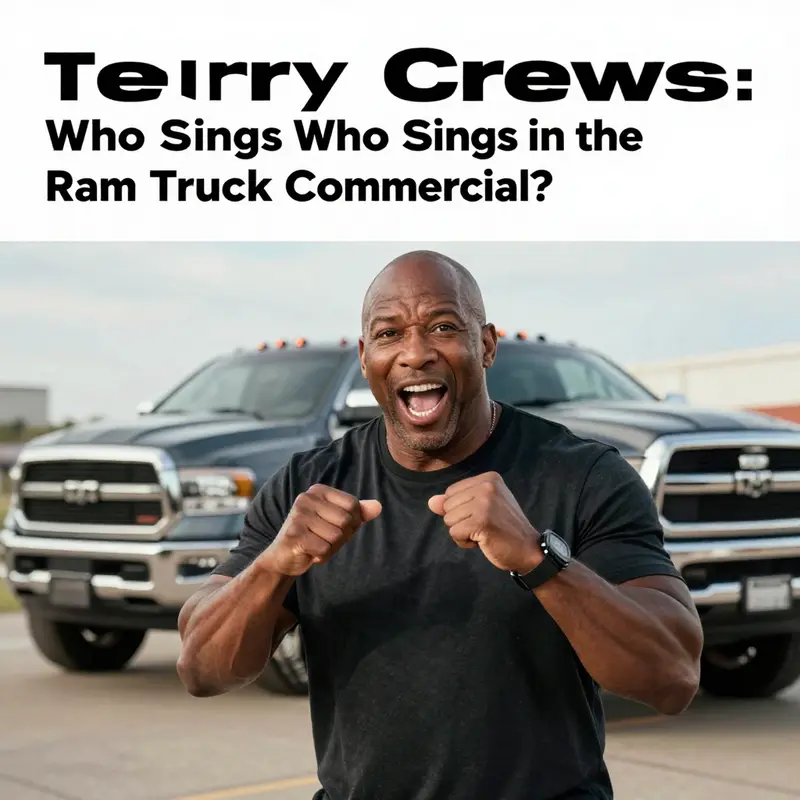
When people ask who sings in the latest Ram Truck college football spot, the answer comes back with an emphatic name and a character that feels larger-than-life long after the screen goes black. The voice behind the memorable jolt of energy and melody is Terry Crews, a figure who wears his enthusiasm for performance and trucks as confidently as he wears a grin that seems ready for a curtain call. Crews’ presence in this campaign is not merely about celebrity drawing power; it is about channeling a persona that mirrors the product’s promise: rugged reliability wrapped in an unforgettable commotion of color, humor, and rhythm. He arrives on screen as a self-proclaimed Ram truck super fan, and that self-fashioning is exactly the kind of authenticity that drives a consumer closer to a brand through a moment that feels earned, not scripted solely for selling. Crews’ dual identities—actor and former NFL athlete—feed into a compelling blend of strength and swagger. He speaks with the cadence of a performer who knows how to land a punchline and follow it with a nod to the road ahead. In that sense, the commercial is less an outright advertisement and more a mini-legend of the college football season, built around a voice that audiences already recognize and trust to carry a story forward on the field and in the parking lot afterward.
The campaign, crafted by the creative powerhouse Doner, leans into the humor and larger-than-life personality that Crews brings to every frame. The script plays to his gift for timing, letting a song and a quick-witted line or two do the heavy lifting of mood setting. It’s not just about showcasing the vehicle’s capabilities—though the camera does plenty to remind viewers of power, durability, and the leanness of a well-engineered chassis. It’s about creating a shared moment. Crews anchors that moment with a smile that conveys both friendliness and command, a combination that makes viewers feel as if they’re not being sold something but invited into a club where the jokes land, the soundtrack pops, and the car becomes a partner in a game-day ritual.
The centerpiece of this moment is a performance that has hooked into the public imagination as much as the imagery of the truck itself. Crews performs a song titled “Favorite Song,” a playful homage to a beloved car-scene moment from the cult favorite White Chicks. The choice of reference is telling. It is a nod to a film that lives in the shared memory of a generation of viewers who know how a well-timed riff or an iconic beat can turn a scene into a cultural touchstone. When Crews sings, he doesn’t merely perform; he channels a spirit of playfulness that resonates with college audiences who crave energy, entertainment, and a sense of belonging in a world that often feels over-scheduled and loud. The song becomes a bridge—between entertainment culture and the practical world of dependable, capable machines—where humor lightens the way to a straightforward message: this vehicle can handle the demands of a busy season, be it tailgates, road trips, or long-haul routes that demand resilience as much as style.
What makes Crews’ role so much more than a cameo is the way the narrative uses him as a living symbol of both performance and reliability. On screen, he embodies a kind of durable charisma—the sort of presence that suggests not only that the product can deliver, but that it can deliver with a smile. This is marketing as a shared experience rather than a one-way pitch. The audience is invited to participate in the moment: to recognize the culture of college football as a setting where grit meets humor, where a tough drive is paired with a celebratory chorus. Crews’ energy becomes the thread that ties the messaging to the fan experience—the long before and after of the stadium, the tailgate, the drive home, the memory of a game won or lost and the promise of the next one around the corner.
The creative strategy behind the campaign leans on a clear alignment between Crews’ public persona and the attributes that fans value in a pickup truck. Strength, durability, and an element of unshowy reliability are not simply attributes to list; they are the emotional currents that guide how viewers interpret the ad’s humor and the song’s tempo. When Crews belts out a chorus, the rhythm lands with a cadence that mirrors the engine’s steady, reassuring hum. The humor is carefully calibrated, not aimed to mock but to celebrate. It invites the audience to lean in, laugh, and then think about why a vehicle—any vehicle—would be a trusted companion through the hustle of a football season. The moment works because it merges performance with practical storytelling: a star who can deliver a wink to pop culture, a scene that feels replayable, and a soundtrack that elevates the sense of momentum that football fans know intimately from game day to game day.
Within this broader musical and cinematic frame, Crews’ performance also underscores an important truth about modern brand storytelling: talent alone is not enough. The delivery must feel authentic to the brand’s world. Crews’ deep, almost tactile enthusiasm for trucks translates into a performance that never feels hollow or manufactured. He talks with a voice that carries both authority and warmth, a voice that implies he has not only driven these machines but also earned his way into a culture that respects the road as much as the spotlight. In that sense, the ad transcends a single moment of viral potential. It becomes a case study in how star power can be harmonized with a brand’s identity to resonate with a specific audience—one that maps loyalty to the road, to weekend rituals, and to the unmistakable thrill of a high-octane, high-spirited game day.
The production’s craft is a testament to the orchestration behind campaign moments that aim to linger in memory. The choice to weave a musical thread through the ad—anchored by Crews’ live performance and the playful nod to a pop-culture favorite—gives the campaign a musical backbone that many viewers will recall long after the screen fades. The result is not simply a commercial that people will remember; it is a small cultural moment that travels beyond the stadium and into living rooms, dorms, and social feeds. People who might not think of a truck in most daily moments find themselves humming along, carrying with them a sense of the scene’s energy and the idea that this particular brand understands how to speak to fans in their own language. It is a reminder that effective marketing in the college football space requires more than product highlights; it requires a shared rhythm, a familiar cadence, and a host who can deliver that rhythm with a genuine touch.
For those who want to situate this moment in the wider context of the trucking industry’s marketing conversations, the campaign sits among a landscape where campaigns must balance performance with cultural relevance. The moment of a celebrity voice, the wink to a cult film, and the infectious chorus all feed into a broader conversation about how brands connect with audiences in an era where attention is both fleeting and fiercely sought. External observers often frame these moments as part of a larger strategy: cultivating a narrative voice that fans can trust, using humor to lower defenses, and pairing that voice with a product story that emphasizes durability and reliability. In the case of this campaign, Crews’ vocal performance becomes a memorable emblem of that strategy, turning a music cue into a signal of steadfastness and a sense of belonging that extends beyond the screen into the people who show up for the games and the journeys that follow.
As the credits roll and the reels are shared across social feeds, a single question lingers in the air with new clarity: who sings in the Ram Truck commercial? The answer is not just about a name; it is about a persona that bridges cinema, sport, and everyday driving. Crews offers more than a voice; he provides a mood—an exuberant invitation to trust a machine that can shoulder the chaos of a season while turning every drive into a moment of shared celebration. In this way, the campaign does more than announce a product; it scripts a little ritual that fans can carry with them, a ritual that proves the power of a well-timed performance to turn ordinary miles into stories worth retelling. And in the end, that is the mark of a successful integration of star power, humor, and musical touch—a chapter in modern brand storytelling that fans will revisit whenever a playlist cues up a memory of football air, summer tailgates, and a voice that seemed to sing the season into motion.
External resource: For more on the campaign details and the official video, see the campaign page from the brand: https://www.ramtrucks.com/college-football-campaign-terry-crews
Internal reference: Industry context and market dynamics discussed throughout the chapter can be explored further in the broader trucking market insights, such as excess capacity in the trucking market insights.
Sonic Branding on the Open Road: Blues Rock, Narrative Power, and Automotive Advertising
This chapter explores how a blues-rock soundtrack in a pickup-truck advertisement functions as a narrative engine. The music is not mere background; it orders pacing, mood, and the audience’s perception of capability. A blunt guitar riff and a driving drum pattern create forward momentum that mirrors the vehicle’s on-screen movement.
The sonic design uses tempo changes, gritty timbres, and dynamic pauses that align with key visual beats—climactic turns, steep grades, and moments of decision. The singer’s delivery, if present, communicates confidence and resilience, while instrumental textures reinforce the brand’s promise of durability.
Beyond mood, the sound serves as a storytelling scaffold: it signals transitions, anchors emotional shifts, and helps the viewer feel the road rather than just see it. When the visuals show rugged terrain, the music spikes; when the scene yields to reflection or triumph, the score resolves with clarity.
For marketers, this approach demonstrates how music can be a strategic ally, shaping recall and aligning audience expectations with product attributes—strength, reliability, and adventurous spirit—without overt exposition.
Rhythm on the Open Road: Crafting a Musical Identity for Ram Truck Campaigns
Music has never been a mere backdrop in Ram Truck campaigns. It is a strategic companion that whispers the brand’s ethic into the ear of the viewer and then roars it back with a chorus. Across town-and-country roads shown in car-long takes and sunset-drenched lanes, the ads stitch sound and steel into a single, recognizable identity. The result is not just a commercial moment but a cultural one. When a guitar riff cuts through the dust and the camera lingers on a truck’s chrome, listeners are invited to read strength, independence, and a steady, blue-collar pride into the vehicle before them. The music does the heavy lifting of storytelling, warming the cold steel of a commercial into something more human, more aspirational, and more lasting in the viewer’s mind. In this space, the Ram Truck campaign leverages music not as decoration but as a vehicle for meaning, a strategic instrument that travels with the brand into new conversations about work, weather, and endurance on America’s highways.
null
null
Voice in the Driver’s Seat: Terry Crews, Humor, and the Song That Shapes a Campaign
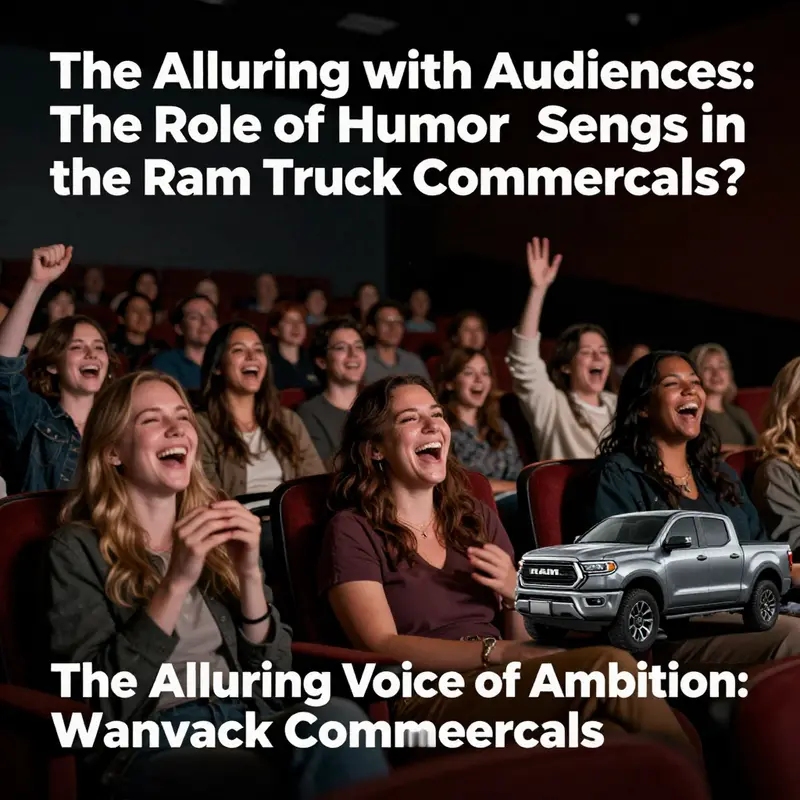
A single voice in the driver’s seat can alter how a brand is felt long after the screen fades to black. In the college-football marketing push led by a vehicle maker’s sponsorship, that voice belongs to Terry Crews, whose role goes beyond mere star power. He steps into the frame as both actor and musician, delivering a performance that blends sharp humor with a catchy, deceptively simple tune. The resulting ad is less a straightforward product pitch and more a compact storytelling moment in which music, charisma, and a wink to pop culture become the thread that ties a crowd of diverse viewers to a single narrative long enough to linger in memory. The choice of a talent who can straddle both acting and music is not accidental; it is a deliberate strategy to fuse performance with practicality. By letting Crews sing a song titled Favorite Song, the campaign leans into a moment of cultural resonance that viewers recognize even before the lyrics land. The track itself is more than background mood—it is a bridge that aligns the energy of a stadium-wide atmosphere with the everyday experience of the road and the ride. The homage embedded in the lyrics, and the way the hook lands with a knowing laugh, cues audiences to see the brand not only as a maker of durable machines but as a curator of moments that feel personal, shared, and timeless.
Humor sits at the heart of this approach. The Ram-branded campaign has long understood that distance between consumer and vehicle can feel wide, especially when the product sits in the showroom as a symbol of capability and toughness. Humor serves as the original solvent, easing that distance by inviting audiences into a space where the brand acts like a friend with a joke rather than a hard seller. Crews’ performance amplifies this effect. His timing—whether through a mischievous quip, a playful aside, or a self-aware nod to the absurdity of some on-screen moments—helps the narrative stay approachable. It is not just funny for the sake of laughter; the humor signals accessibility. It makes the brand feel human, the kind of entity an audience can imagine sharing a tailgate playlist with or trading road-trip stories beside a trailer full of gear.
Music anchors the humor and spreads the emotion beyond the single viewing. The song Favorite Song carries the kind of warmth that can soften edges and create a shared sonic memory. Music is a storytelling amplifier in this context. A well-chosen melody can evoke the grit of the open road one moment and the easy camaraderie of friends and family the next. The track’s cadence, its tempo shifts, and its tonal color all contribute to a mood that aligns with college football culture—one that celebrates community, tradition, and spirited competition. This is music in service of meaning, not music as ornament. In practice, the hear-and-feel of the moment matters as much as the hear-me-ask-you-to-buy call-to-action. The campaign treats the song as a cultural instrument, capable of triggering a sense memory that extends beyond the screen and into the moments fans gather to celebrate big games, late-season wins, or even the quiet rituals after a long drive.
The reference point of the performance—an homage to a cult film moment—adds another layer of cultural literacy to the ad. The scene nods to White Chicks, a film that many viewers recognize for its bold humor and playful send-up of identity and spectacle. This isn’t a surface joke; it is a method of aligning the campaign with a shared cultural shorthand. When audiences catch the reference, they receive an extra cue that the brand understands the humor of being seen and the comfort of belonging to a fan community. The homage works on multiple levels: it invites immediate recognition, builds alignment with a fan base primed for inside jokes, and reinforces the idea that the brand is in tune with contemporary pop culture. In a crowded advertising landscape, such touches can become the differentiator that turns a casual viewer into a remembered advocate.
The choice to cast a musician-actor in a vehicle-brand commercial speaks to broader ideas about identity and experience. In segments like this, the vehicle becomes more than a means of transport; it becomes a vessel for stories of work, play, and ambition. The performance of a song—performed by someone who can carry both the performance and the persona—helps the brand signal a lived-in authenticity. Audiences are not merely buying a machine; they are buying into a narrative in which the ride can serve as a companion for a family’s weekend ritual, a studious tailgate, or a spontaneous road trip that ends in a cheering crowd. This is a shift from product-focused messaging to person-centered storytelling, where the vehicle is a stage for life’s recurring scenes rather than a mere prop in a sales pitch.
The effectiveness of this blend—humor plus music—rests on a careful calibration of tone, tempo, and resonance with the target audience. The campaign leans into the college football ecosystem, known for its vibrant tailgates, loyal alumni networks, and enduring sense of community. In this context, humor signals familiarity, warmth, and approachability. It tells viewers, in a language they understand, that the brand is a participant in their rituals, not an outsider measuring every drive with rigid metrics. The music then reinforces this stance by providing an emotional through-line that audiences can hum long after the ad has finished. The two elements work in tandem: humor lowers the guard gently, and music preserves the memory of the moment with a melody that invites repetition and sharing among peers.
The broader takeaway mirrors what research in advertising has long suggested: when humor and music are woven into a narrative, they can transform an ordinary product message into an emotionally meaningful experience. A prime example often cited in industry studies is a different campaign that blends sensitive storytelling with a nostalgic soundtrack, underscoring how music can carry themes of family, legacy, and community. The result is not just a commercial that viewers enjoy; it is a brand experience that lives on in conversation, in social feeds, and in the rituals of fans who revisit the moment before game day, imagining their own road trips and triumphs. The synergy between Crews’ performance, the humor, and the musical cue makes the ad not simply memorable but shareable, a quality that matters in the digital age where small moments multiply across screens and time.
Engagement in this vein is not accidental. It aligns with research on how audiences respond to modern commercials, where emotional storytelling and authentic voices can unlock deeper levels of attention and recall. Disciplines within advertising research highlight the way music can function as an additional channel for meaning, carrying subtext that complements the spoken word and visual cues. Humor, meanwhile, can soften skepticism and invite viewers to participate in the narrative, to invest in the hero’s journey of the campaign. When these ingredients come together with a performer who can authentically toggle between performance modes, the result is a campaign that feels less like an interruption and more like a shared experience—a moment that extends beyond the screen and into the culture surrounding college sports, weekend road trips, and the everyday rituals that define a family’s relationship with its vehicle.
For readers seeking a more formal exploration of how humor and music drive engagement in contemporary advertising, consider the broader literature that examines these strategies in modern campaigns. The field points to consistent findings: audiences connect more deeply when a brand story invites them to laugh, sing along, and recall a moment that feels personal and communal. This Ram-branded initiative—understated in its craft yet loud in its cultural resonance—embodies that principle. It demonstrates how a talent with genuine musical ability can lend credibility to the performance, how humor can humanize the brand, and how a clever cultural reference can anchor the narrative in a shared memory that fans will carry with them as they move from screen to street and from tailgate to highway. The chapter of this campaign is not just about a single commercial; it is about a pattern in which brands aim to become part of our stories by inviting us into a space where music, humor, and human presence meet on the same stage.
As the audience returns to the road—whether to watch a game, plan a weekend trip, or simply ride along with a favorite tune—the impact of the performance remains. The voice in the driver’s seat, the humor that punctuates the scene, and the music that threads the emotions together create a memory that is both entertaining and enduring. When a campaign can accomplish this without shouting its intention, it accomplishes something rarer: the audience feels seen, not sold to. And in an industry where the economics of trailer orders and margins shape production choices, the ability to forge such a connection through a single, well-timed performance—backed by a smart blend of humor and melody—can be the difference between a campaign that sparks a moment of attention and one that earns a place in the audience’s ongoing musical and cultural conversation. The result is a storytelling approach that treats the vehicle not as a mere object, but as a partner in shared experiences, a companion for road trips, and a witness to the humor, heart, and music that life on the move invites.
As industry observers look to the next wave of campaigns, this example offers a clear outline: cast a performer who can both act and sing, craft a narrative that respects the audience’s senses, and embed a cultural touchstone that invites recognition without alienating. The combination of humor and music, anchored by a memorable performance, becomes a template for how to speak to a diverse audience that values both wit and warmth. For marketers and researchers alike, the lesson is straightforward: given the chance to tell stories that people want to be part of, let music do the carrying, humor do the connecting, and the performer’s authentic voice do the bridging. In doing so, a broadcast moment transcends its original purpose and becomes part of a living conversation about what a vehicle can mean in a world of shared experiences and moving roads.
For those curious about the broader dynamics of how this balance of humor and music translates into industry outcomes, a related line of inquiry in the Journal of Advertising Research offers further context on consumer engagement strategies in modern commercials: https://www.tandfonline.com/doi/full/10.1080/00913367.2023.2208543.
Additionally, readers may find it useful to explore industry analyses on related logistical and market dynamics, such as this discussion of how trailer orders impact margins within the trucking ecosystem: trailer orders impact truckload margins.
Final thoughts
The Ram Truck commercial featuring Terry Crews exemplifies the strategic interplay of humor, music, and celebrity endorsement, creating a memorable viewer experience. This approach not only enhances brand perception but also opens avenues for connecting with target audiences more profoundly. For logistics and procurement professionals, the insights from this campaign can be harnessed to strengthen brand presence and audience relations. By understanding the elements that resonate, companies can create impactful marketing strategies that echo the successful blend seen in this memorable advertisement.