
The cost of commercial truck tires represents a significant portion of fleet operations for logistics and construction companies. Understanding these costs is essential for making informed procurement decisions. This guide will delve into various factors affecting tire pricing, including size, brand influence, quality considerations, bulk order advantages, and other influencing factors. Each chapter will provide clarity on how to navigate these costs effectively, ensuring that business owners are adequately equipped to make the best choices for their needs.
Sizing the Toll: How Tire Size Drives Cost in Commercial Fleets
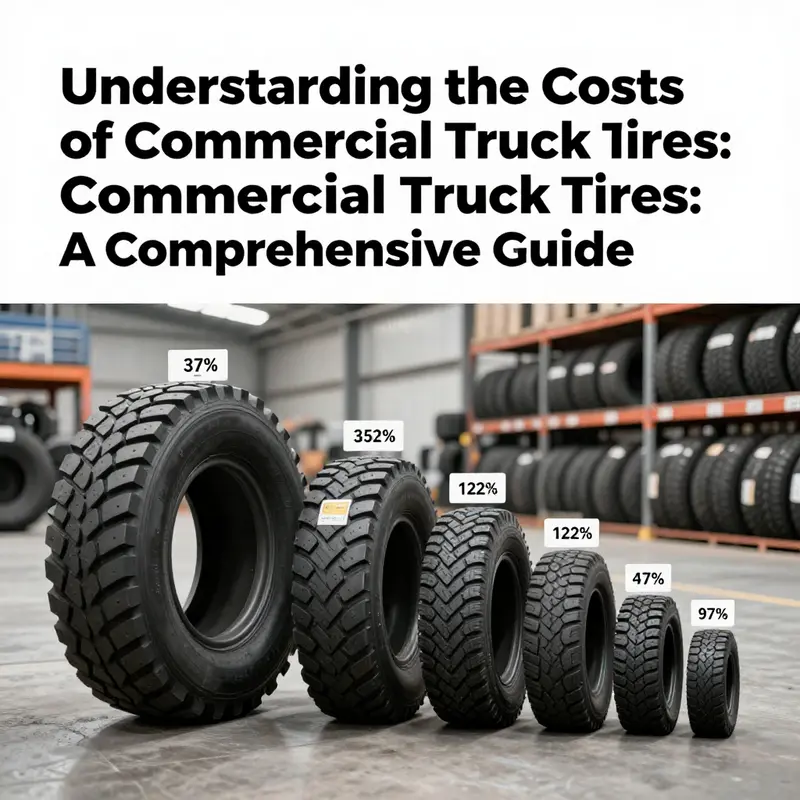
Size matters in the tire market, not only for what the tread can endure or how many miles a set will cover, but for the price tag attached to each tire. When fleets tune their buying decisions to balance safety, performance, and uptime, a core truth emerges: the diameter, the construction, the load rating, and the service type all pull the price in different directions. In the everyday purchase, a small-to-medium size can look approachable on a per-tire basis, while the larger, more specialized designs used on long-haul or heavy-duty applications can escalate quickly into four-figure sums per tire. The result is a cost landscape that looks like a stair-step of options rather than a single flat price, and that has real implications for fleet budgeting, maintenance planning, and total cost of ownership.
In the lower to mid range, sizes such as the common workhorse dimensions tend to sit in a broad but modest band. Here, basic radial constructions intended for regional routes or light-duty vocational tasks often hover in the several hundred dollars per tire range at the entry level. It is not unusual to see tires in the broader category of smaller diameters and standard load ratings priced from roughly five hundred to seven hundred dollars per tire, with occasional higher-cost entries that still stay under a thousand dollars when features like reinforced sidewalls or improved tread compounds are offered. Even within this segment, the choice between standard and long-wear compounds can swing the per-tire price by a notable margin. A fleet buyer who negotiates through bulk channels or who commits to a manufacturer’s program may unlock additional savings that bring the per-tire cost down toward the lower end of that band.
The picture shifts dramatically as sizes grow to match heavier loads and longer service lives. The 11R22.5 and the broader 12R22.5 family, staples for long-haul and heavy-duty configurations, illustrate how quickly price scales up as diameter and load demands rise. In many listings, these sizes span from the mid-range tens to the low thousands per tire in standard configurations. A typical 11R22.5 tire may exhibit a wide spread—from roughly six hundred fifty dollars to two thousand five hundred or more—depending on tread design, whether the tire is a simple rib, a regional pattern, or a high-mileage long-haul variant with extended warranty coverage. The same progression applies to 12R22.5, where prices frequently reach into the eight hundred to three thousand dollar territory for premium radial builds. Drivers of premium, steel-belted, full-steel radial designs that emphasize tread life and fuel efficiency are often drawn to these options despite the higher sticker price because the total cost of operation—fuel savings, fewer punctures, and longer intervals between changes—can narrow the gap over the life of the tire.
As you move into 12R24 and similar larger profiles, the price floor shifts again. These tires target large, heavy-duty equipment and give a clear sense of the scale in play when you must support massive axles and tougher operating conditions. In this class, typical price ranges drift upward to the range of roughly thirteen hundred to two thousand dollars per tire, with some examples exceeding that when the tire carries specific endurance claims, optimized tread life, or special certifications. A Befriend-style or comparable full-steel radial in these sizes demonstrates how construction choices drive the cost curve toward the higher end of the spectrum. The same pattern holds for other large regional and vocational sizes, including the 315/80R22.5 or 315/70R22.5 family, where the market often prices tires in the one-thousand-dollar to one-and-a-half-thousand-dollar tier, with premium designs edging beyond that mark when meticulous tread architecture and warranty terms are included.
Another clear determinant is load rating and construction. A tire built for maximum load capacity or for premium long-haul duty often commands a higher price than a more basic pattern. A high-mileage or premium model—one designed to stretch tread life and resist irregular wear—can carry a corresponding premium, notably when the tire carries certifications and a lengthy warranty. Market chatter around these models sometimes reveals a distinct premium band, where the per-tire price sits at the higher end of the range, while the long-term arguments for reduced downtime and better fuel economy can still make the investment sensible for fleets with tight maintenance windows. In some discussions, long-haul, high-mileage designs are mentioned as carrying warranties up to hundreds of thousands of kilometers and as being priced in a way that reflects their durability, even as the per-tire price remains substantial.
An important nuance emerges when considering bulk purchasing. The economics of scale can temper sticker shock, especially for common highway tires used by large fleets. Bulk orders—for example, a container shipment of specific sizes—often compress unit costs as the supplier pools capacity and optimizes production lines. In the right market conditions, a bulk order may land in the range of lower hundreds of dollars per tire for certain sizes, with the potential for even sharper discounts at larger quantities. This is not a universal rule, of course, but it is a real lever fleets use to manage tire budgets. And while bulk pricing can soften the per-tire cost, the total investment to re-tire a whole tractor-trailer combo still runs high when multiple sizes and a mix of drive and trailer tires are required.
All of these factors—size, construction, load rating, service life, and procurement approach—intersect with the broader realities of fuel efficiency, warranty coverage, and regional regulations. The modern tire market, in other words, offers a spectrum where a single truck can ride on a lineup of tires across different sizes and service classes, each with a distinct price tag and total cost of ownership profile. When fleets plan tire purchases, they must weigh upfront price against expected miles, downtime, and the possibility of reduced fuel use from low-rolling-resistance designs. In practice, those calculations often push fleets toward a mix: standard, value-oriented tires for routine miles and occasionally higher-cost, high-mileage options for mainline routes where load factor and service intervals justify the premium. The decision is rarely about a single tire or a single axle; it is a portfolio choice that should align with routes, duty cycles, and maintenance schedules.
For fleet managers looking to understand the market dynamics behind these numbers, it helps to consider how suppliers respond to demand signals. As markets rebalance, some discussions highlight how manufacturers adjust pricing and allocation in response to supply tightness and demand shifts. For a closer look at these strategic responses, see Trailer Market Crisis: Manufacturer Adaptation Strategies.
From the perspective of practical budgeting, the bottom line is straightforward in concept, even if the price ranges appear wide. The cost of replacing tires on a fully equipped tractor-trailer can span from the low thousands to well into higher five figures, depending on the mix of sizes, the choice of standard versus premium long-life designs, and whether you include a full set for both the tractor and trailer. It is a reminder that tire costs are not a flat line but a function of how a fleet uses its equipment and how aggressively it pursues tread life, performance, and uptime. For fleets that must balance safety with cost, the path forward often involves a disciplined approach to procurement: a careful assessment of the routes and duty cycles, a deliberate choice of tire families aligned to those tasks, and a procurement strategy that leverages bulk buying where appropriate while preserving the option to deploy higher-cost, higher-performance tires on the most demanding segments of service. In this way, tire purchasing becomes not just a cost line item but a strategic lever that can influence overall profitability and reliability across the network of operations.
External context on regulatory and safety considerations that shape tire choice and lifecycle costs can be found in broader road-safety and vehicle-regulation resources. For regulatory context on tire safety and performance standards in trucking, see the external resource: https://www.nhtsa.gov/road-safety/tires
Brand Power and Price: How Tire Labels Shape the True Cost of Commercial Truck Tires
Tire pricing for commercial fleets is not a simple matter of size and tread pattern. Brand perception matters just as much as raw materials, engineering, and manufacturing discipline. When a fleet manager asks, “What will these tires cost me?”, the immediate reply is only half the story. The other half lies in brand position, the technology behind the tire, and the long arc of ownership that follows. Premium brands command higher upfront prices because they commit substantial resources to advanced compounds, optimized casings, and rigorous testing. These investments translate into longer tread life, steadier wear under heavy loads, and safer performance across diverse road conditions. In practical terms, a premium-brand tire often delivers a lower cost of ownership over the life of the tire, even if the sticker price is higher at the shop floor. The math is not always obvious at purchase, but the logic becomes clearer once one considers how the brand promises translate into real-world outcomes such as fuel efficiency, downtime, and retread potential.
Across the market, the price ladder mirrors the mix of size, construction, and performance expectations. In smaller to medium sizes—think common highway and regional configurations—the price band typically sits around seventy to one hundred sixty dollars per tire. This range reflects variations in casing quality, compound formulation, and whether the tire is built for durability or for higher mileage. As sizes scale up to heavier-duty configurations used on semi-trucks and long-haul applications, the prices generally extend from roughly eighty dollars to two hundred twenty dollars per tire. In certain premium or high-mileage models, the per-tire cost can approach two hundred fifty dollars or more, particularly when the tire carries warranties or certifications designed for rigorous routes and severe weather. These bands are not arbitrary; they’re crafted through a blend of supply chain efficiencies, regional fabrications, and branding strategies that seek to balance upfront affordability with reliability over thousands of miles.
Brand influence does not stop with the sticker price. Material science and construction technology—whether the tire uses a stout radial build or a traditional bias design—play a pivotal role in how a tire performs and how long it lasts. Premium brands typically invest in better tread compounds that resist chunking, superior belt configurations that reduce heat buildup, and more refined bead to ensure consistent contact with the wheel. The upshot is not merely longer life but better fuel economy, because the tire maintains a stable footprint with lower rolling resistance across a spectrum of speeds and loads. The operational benefits feed back into cost calculations: fewer blowouts, less downtime for changing tires on the road, and fewer retread cycles needed to cover a fleet’s annual mileage. In contrast, less recognizable or domestic brands may present lower upfront prices. However, the long-term costs can be higher if the tires wear faster, sip fuel more aggressively, or exhibit greater susceptibility to flats and sidewall damage under heavy loads. The delta between price and performance, then, becomes a critical part of the total cost of ownership that fleets must weigh when choosing a supplier.
This calculus is further nuanced by the differences between radial and bias tires, a factor that often intersects with branding. Radial tires have become the dominant technology in long-haul trucking due to durability and efficient wear across varied road surfaces. Yet the choice of brand in radial construction still matters. A premium radial may deliver a smoother ride, longer tread life, and better retreadability, all of which can offset higher initial costs through extended cycles and improved fuel economy. Bias-ply designs, while less common in today’s over-the-road fleets, can still be favored in specific regional or off-road applications. In those contexts, a brand with a long-standing reputation for ruggedness may command a price premium that is justified by performance under tougher conditions. For fleet operators, the decision is not simply about the purchase price but about aligning the brand’s strengths with the routes, payloads, and maintenance practices that define their business model.
The market’s price architecture also reflects the extent to which warranties and certifications are bundled with a tire. Long-haul, high-mileage models often come with warranties that cover hundreds of thousands of miles, sometimes approaching a third of a million kilometers. When such coverage is paired with recognized standards—DOT, ECE, ISO9001, or SmartWay—the tire’s price tends to sit higher, but the value proposition grows clearer. A warranty signals confidence in the product’s durability and can substantially reduce the risk of early replacement costs. Fleets that operate near the edge of cycle life may find that the higher upfront price is effectively financed over fewer unexpected expenses tied to performance failures. Certifications, meanwhile, reassure operators about compliance with safety and environmental expectations, which, in turn, reduces regulatory uncertainty and potential penalties.
The discussion of brand impact would be incomplete without acknowledging the strategic dynamics of bulk purchasing. For fleets ordering in large volumes, price-per-tire can become notably more favorable. A container-sized purchase or bulk order can push unit costs down, especially for standard sizes like 8.25×20, where market chatter places prices around the ninety to one hundred-dollar range with modest minimums. The economics of bulk buying extend beyond the unit price alone. Logistics, inventory carrying costs, and the ability to standardize brands across a fleet can yield operational savings that compound over time. In other words, the true price of a tire for a fleet often emerges from a blend of brand choice, batch sizing, and the procurement framework rather than from a single sticker price at the point of sale. The practical takeaway for buyers is to consider not only the immediate payment but also the downstream effects of brand-related reliability and maintenance needs.
Tying these strands together, brand strategy for tire selection becomes a question of risk management as much as cost management. Fleet managers must assess the reliability reputation of a brand against the operational realities of their network. If a fleet runs through hot or cold extremes, or frequently carries high payloads on rough highways, the premium brand’s promise of durability and safety can translate into fewer incidents and less downtime. Conversely, a budget-oriented brand may be perfectly adequate on routes with smoother surfaces and lighter loads, provided the fleet maintains disciplined tire care and timely retreading. The best practice is to anchor decisions in total cost of ownership, factoring in upfront price, expected tread life, fuel efficiency, downtime costs, and the likelihood of retreading. It’s a holistic approach that values both quality and affordability in a way that aligns with the fleet’s operational realities.
For readers seeking deeper market context, industry analyses emphasize how brand positioning interacts with broader market trends. The evolving landscape of supplier strategies, regional regulation, and economic pressure all shape brand pricing and availability. These dynamics are echoed in industry briefings that discuss how manufacturers adjust strategies in response to demand shifts and supply chain pressures. In the wider conversation about how these factors affect the cost of commercial truck tires, it is useful to view brand choice as part of a broader procurement strategy rather than as a standalone purchase decision. This perspective helps fleets avoid short-term complacency or overspending while ensuring long-term reliability on the road. More detailed market benchmarks and regional insights can be found in official industry reports that track tire market size and segmentation across regions.
To connect these ideas to practical procurement, consider how a fleet’s routes and maintenance cadence shape the optimal brand mix. If a fleet prioritizes fuel efficiency and long mileage between changes, premium brands with proven tread life and retreadability may offer the best return on investment. If the operation emphasizes aggressive regional turnover and rapid deployment, a more cost-conscious brand with dependable performance can keep trucks moving without overextending spare tire inventories. In either case, the decision should be guided by documented performance data, warranty terms, and a clear understanding of total lifecycle costs. As one industry briefing notes, market conditions and policy shifts can alter the perceived value of different brands, underscoring the importance of staying aligned with a well-articulated tire strategy that accounts for both immediate needs and future uncertainties. Trailer market crisis: manufacturers adapt strategies. For readers seeking broader macro insights, a comprehensive external resource provides regional market breakdowns and global trends: https://www.statista.com/statistics/1437855/global-commercial-truck-tire-market-size-by-region/ .
Priced for Performance: How Quality Shapes the Real Cost of Commercial Truck Tires
Tires for commercial fleets sit at a critical crossroads of price and performance. The sticker price on a single tire is only a fragment of what the fleet will actually pay over its service life. Because commercial trucks routinely carry heavy loads, traverse long routes, and encounter a wide range of weather and road conditions, tire quality becomes a decisive driver of total cost of ownership. A tire that appears inexpensive at purchase can end up costing more in fuel, maintenance, downtime, and risk than a higher-priced option that lasts longer and performs more consistently. In practical terms, this means fleets should view tire cost through a broader lens: the money spent today versus the value delivered over thousands of miles, across seasons, and through hundreds of operation cycles. When the focus shifts from upfront price to long-term value, a more accurate and actionable picture of cost emerges for fleets aiming to optimize reliability and margins over time.
Size and specification matter, but the variability in price across markets is not random. For smaller-to-midrange tires commonly used on steer and drive axles—sizes such as those in the 11.00R20 and 12.00R20 ranges—the market typically offers prices in a broad band, roughly from seventy to one hundred sixty dollars per tire. This spread arises from differences in tread compounds, casing construction, and tread life guarantees, as well as regional pricing strategies. In markets that emphasize price competition, FOB quotes from manufacturers can sit at the lower end of this band, while tires with more conservative wear characteristics or improved heat resistance may tilt toward the higher end. For larger, heavy-duty sizes used on semis and vocational applications—such as 12R22.5 or 295/80R22.5—the price range broadens further. Typical consumer-facing ranges sit around eighty to two hundred twenty dollars per tire, with premium or long-haul variants occasionally exceeding two hundred fifty dollars. The additional premium is often justified by more robust casing, lower rolling resistance, and extended mileage warranties that align with the higher operating costs fleets face on long-haul routes.
Quality, in other words, is a form of insurance against the unpredictable. Among the most persistent telltales of higher quality are longer tread life and greater resistance to heat buildup, two factors that can dramatically reduce maintenance cycles and downtime. There are tire families engineered for long-haul service that come with extended mileage warranties—sometimes reaching into the range of hundreds of thousands of kilometers. While these tires carry a higher initial price, their longevity can translate into fewer tire changes, less frequent retreading, and lower transport stoppages due to tire failures. The overall per-mile cost can be considerably lower when the warranty, service life, and consistent performance are factored in. It is not unusual for those premium long-haul models to sit in a price band near the higher end of the spectrum, yet they can deliver meaningful savings when a fleet considers the cost of frequent replacements and the reliability demanded by tight delivery schedules.
Beyond individual tire sizing, bulk and container-level buying patterns also shape the price you actually pay. When fleets purchase in quantity, the per-tire price often drops as logistics and production efficiencies come into play. For example, moderate bulk purchases of specific mid-range sizes can yield per-tire prices in the neighborhood of ninety to one hundred dollars, with minimum order quantities providing an initial volume that helps stabilize pricing for the entire fleet. The economics here are twofold: you gain a lower unit price and you improve supply chain predictability, which in turn reduces downtime caused by stockouts or urgent expedited orders. The caveat, of course, is that bulk purchasing must be matched to usable service life and rotation plans; otherwise the savings vanish into inventory carrying costs or misaligned tire programs.
In the broader context, there is a notable dynamic in how tires are priced internationally. Producers in major manufacturing regions, especially those with vertically integrated production chains—from material processing through vulcanization—tend to offer consistent quality controls and transparent certifications. Such vertical integration helps ensure that the claimed performance attributes—tread life, heat resistance, and tread wear patterns—are achievable in real-world fleet operations. Certifications and standards, including safety and environmental benchmarks, have become increasingly important signals for buyers. Tires that carry recognized certifications and robust documentation—such as technical data sheets and qualification records—provide fleets with confidence that the claims about fuel efficiency, wear resistance, and safety margins are not just marketing rhetoric but verifiable capabilities.
From a quality standpoint, several indicators justify the price tiers that fleets encounter. First, advanced tread compound formulations aim to balance durability with heat resistance, a critical factor for long-haul and multi-shift operations where tires spend significant time under load and in humid or hot climates. Second, tread patterns are optimized to promote even wear across the tire’s contact surface, reducing the risk of abnormal wear that necessitates premature replacement. Third, robust casing construction—often featuring high-tensile steel belts and durable rubber compounds—supports longer service life and better resistance to punctures and sidewall damage, especially in rough road conditions. Finally, adherence to international safety and environmental standards offers a layer of assurance that the product has been designed and tested for reliability in distributed fleet environments.
Manufacturers in key manufacturing regions have built reputations around controlling quality throughout the supply chain. In particular, suppliers that couple raw material processing with advanced vulcanization processes typically demonstrate tighter quality control and more predictable performance outcomes. They also tend to provide warranties, service support, and responsive troubleshooting—elements that matter to fleet managers when evaluating the long-term value of a tire purchase. The post-sale component of value can be as influential as the sticker price. A tire offered with solid warranty terms and accessible technical support reduces the risk of expensive field failures and can lower the overall cost of maintenance by stabilizing labor and parts costs during tire changes and inspections.
A practical framework for B2B buyers emphasizes not only unit cost but also the expected service life, anticipated fuel savings, maintenance frequency, and downtime risk. The interplay of these factors can shift the perceived value of a tire in meaningful ways. For instance, a higher-priced tire that lowers rolling resistance and lasts longer may reduce fuel consumption enough to offset the initial premium within a single service interval. Conversely, a cheaper tire with quick wear, higher heat buildup, or questionable consistency in performance can trigger more frequent replacements and alignment or balancing work, eroding any apparent savings. The upshot is simple: the best value is not always the cheapest tire on the rack. It is the tire whose price, warranty, and predicted life align with a fleet’s duty cycles and maintenance philosophy.
In practice, fleets must also consider how procurement decisions interact with broader market conditions. A tightening market, shifts in freight demand, and the cost of inbound materials can all influence price and availability. These factors can be addressed through informed vendor selection, longer-term contracts, and careful alignment of tire policy with maintenance planning. For fleets evaluating options, the topic often reduces to trade-offs between upfront cost, expected durability, and the reliability of supply. A more deliberate approach to tire selection—one that integrates maintenance planning, route profiles, and expected duty cycles—yields the most reliable cost discipline over time. In this context, strategic decisions about when to replace tires, how to rotate tread, and which tire line to standardize across the fleet can generate tangible improvements in margins.
The conversation around tire pricing also benefits from practical procurement insights. As fleets pursue efficiency, they often look for ways to harmonize tire strategies with other asset decisions, such as trailer and equipment orders, which can influence overall margins. When procurement teams coordinate tire purchases with broader fleet purchases, they improve leverage with suppliers and reduce the risk of stockouts that can disrupt service levels. See how procurement strategies interact with margins in this broader context via the concept of Trailer orders impact truckload margins. Trailer orders impact truckload margins.
Ultimately, the most cost-effective tire is the one that delivers dependable performance, predictable wear, and meaningful reductions in downtime and fuel use relative to its price. The choice becomes a balance between the desire to minimize upfront expenditure and the obligation to minimize long-run risk and maintenance cost. The decision framework should reward evidence-based assessments: verified tread life claims, measurable fuel savings, documented warranty terms, and a transparent supply chain that can sustain service levels under normal and extreme operating conditions. In fleets where the duty cycle is heavy and the road and weather conditions are variable, this balance tilts toward higher-quality options that are backed by solid data and consistent after-sales support. The result is not merely a lower total cost of ownership; it is a more resilient operation that can maintain service commitments, protect driver safety, and preserve asset value over time.
External reference: https://www.tirebusiness.com/industry-news/2025/12/08/china-remains-global-leader-in-commercial-tire-export-market
Scale, Strategy, and Savings: Navigating Bulk Tire Pricing for Commercial Fleets
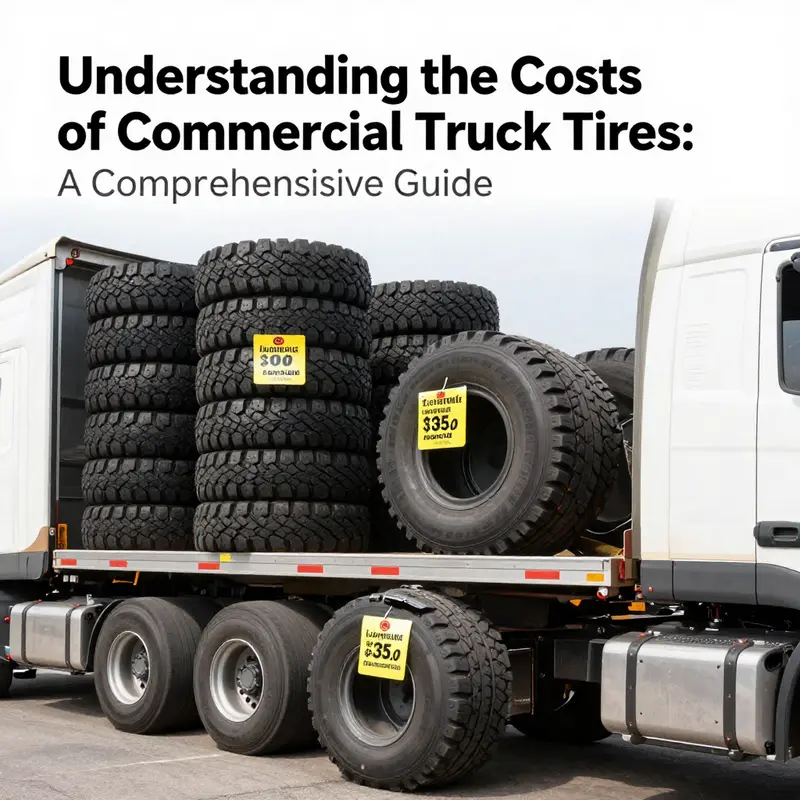
When a fleet weighs the decision to replace tires at scale, the sticker price on a single tire is only a slice of the overall cost picture. Bulk purchasing shifts the equation from individual price tags to a broader calculus that includes volume discounts, quality tiers, and the tradeoffs between new and refurbished stock. For managers and procurement teams, the goal is not merely to lower the per-unit price, but to maximize uptime, tread life, and total cost of ownership over the life of the tires. In this space, the economics of bulk orders become a quiet but powerful driver of fleet performance, especially as markets swing between supply tightness and price relief driven by large-volume producers abroad and the logistics realities that accompany them.
Price ranges in bulk orders reflect a layered landscape. Size, construction type, ply rating, and whether tires are new or refurbished all color the math. In bulk, pricing tends to follow tiered brackets that reward volume. For example, not-new or refurbished stock in the most common long-haul profile can start around a mid-range price when ordered in the lower echelons of volume and progressively fall as volume climbs. In practical terms, orders in the hundreds of units can hover near or above the price of around $110 to $120 per tire, with modest reductions as orders push into the thousands. As volumes expand further, the per-tire price can dip to the low $100s, with substantial economies of scale realized when orders reach several thousand units. These dynamics are not merely academic; they shape the decision to consolidate purchases, plan maintenance cycles around UPC-style delivery windows, and align procurement with fleet utilization.
A closer look at representative bulk pricing reveals a consistent pattern across sizes often used in regional and long-haul fleets. For a mid-sized heavy-duty profile that remains popular in numerous fleets, bulk pricing for refurbished stock tends to sit in a range roughly from $110 to $130 per tire, depending on the exact volume band and supplier, with the lower end of the range associated with the largest orders. Slightly smaller sizes and those used for regional operations often follow a similar arc, with price brackets narrowing as the order grows. The general rule is simple: the bigger the order, the greater the opportunity to compress the unit cost, but only up to the point where other costs—such as handling, storage, and freight—begin to dominate the total cost of ownership.
Volume discounts also hinge on the supplier’s capacity to streamline production and delivery. In markets where a few manufacturers dominate bulk output, price stability can emerge as a strategic shield against volatility. For instance, manufacturers with robust monthly output and mature supply chains in important hubs—where raw materials like synthetic rubber and steel cord are readily accessible—often provide more predictable pricing and reliable delivery windows. The advantage is particularly clear when buyers commit to longer-term replenishment agreements or to recurring shipments, allowing suppliers to optimize production scheduling and reduce freight costs per tire.
The economics of bulk tire purchases extend beyond the unit price. A fleet must weigh the total cost of ownership, which includes installation, wheel servicing, and retreading pathways. Retreads can breathe additional life into a tire program, especially when treadwear patterns and fleet operating conditions align with retreadable carcasses. In a bulk context, the decision to pursue retreading is not merely an engineering consideration but a financial one: it can dramatically alter the effective price per mile and the duration of tire service before a full replacement is required. Equally important are warranties and certifications that accompany bulk purchases. Some high-mileage and premium models in bulk programs come with extended warranties, sometimes covering hundreds of thousands of kilometers, which can translate into predictable maintenance budgets and lower risk of unexpected outsized repair costs. These warranties are often paired with quality assurances that include standardized inspection and mold design processes, automated inspection lines, and compliance with international standards such as DOT, ECE, ISO9001, and SmartWay. Buyers who evaluate tires on total value, not just the purchase price, will typically place substantial weight on those assurances.
A practical aspect of bulk sourcing is the choice between new and refurbished tires. The market often presents a spectrum: new tires offer the latest compounds and latest tread designs, while refurbished or not-new stock can provide significant cost savings when the tires have adequate remaining tread life. The gap between these options can be meaningful, and the decision hinges on the fleet’s uptime priorities and risk tolerance. In some bulk programs, refurbishing stock is justified when the tires still meet mileage and safety thresholds and when warranties mirror the reduced risk profile. It is essential to quantify risk, evaluating factors such as retreadability, residue life, puncture resistance, and the fleet’s average annual mileage. The price deltas should be weighed against potential downtime and maintenance complexity.
Supply-chain dynamics also shape bulk pricing. The global hub for tire manufacturing remains dominated by manufacturers in the Asia-Pacific region, with Shandong province and major maritime gateways such as Qingdao playing pivotal roles. The scale of production, material access, and the agility of these operations can influence both price and lead times. Buyers who align with manufacturers capable of high-volume output, reliable monthly throughput, and stable delivery commitments can lock in pricing that remains comparatively resilient through market cycles. In addition, bulk buyers often explore flexible packaging and branding options to suit fleet logistics, warranty documentation, and distribution requirements, which can be negotiated as part of a larger procurement package. The overarching lesson is that price is inseparable from reliability, delivery performance, and the ability to harmonize procurement with fleet maintenance schedules.
For fleets considering cross-border or global sourcing, the mathematics becomes more intricate. Volume-driven bargains can be intensified when orders span multiple SKUs or when a single supplier can consolidate cross-border shipments, reducing freight complexity and improving scheduling predictability. The practical benefit here is not just lower per-unit costs, but a smoother replenishment cadence that minimizes stockouts and unplanned downtime. It also invites a more strategic view of supplier relationships, encouraging long-term commitments, joint planning, and collaborative quality assurance that extends beyond the initial order. In contexts where market conditions push freight costs higher, those relationships can be the difference between a predictable maintenance cycle and months of expensive, emergency replacements. As markets evolve, the trailer segment itself has faced its own pressures, and the broader manufacturing ecosystem has responded with adaptive strategies—an evolution discussed in industry analyses like Trailer Market Crisis: Manufacturers Adapt Strategies [internal link to https://truckplusllc.com/trailer-market-crisis-manufacturers-adapt-strategies/].
The pricing picture for bulk tire purchases is not just a ledger of numbers; it is a map of potential tradeoffs. The cost per tire in bulk carries with it considerations about mileage, rolling resistance, and fuel efficiency, each of which affects a fleet’s operating expenses over time. Tires with lower rolling resistance, for example, can shed a meaningful share of fuel bills across millions of miles, tipping the scale toward a slightly higher upfront price if the gain in fuel economy is substantial and durable. Fleets may also find value in standardized tire configurations across their trucks and routes, reducing maintenance complexity and enabling more efficient tire rotation and inventory control. The decision framework, therefore, blends price bands with performance credentials, warranty support, and the operational realities of the fleet’s routes and duty cycles.
From a sourcing perspective, the path to bulk savings often runs through due diligence as much as dollars. Prospective buyers should verify supplier credibility, ensure alignment on production capacity, and confirm that the chosen tires meet the fleet’s certification and regulatory requirements. Custom packaging, labeling, and documentation can also be negotiated as part of bulk deals, aligning with fleet asset-tracking needs and maintenance records. The procurement strategy should emphasize not only the competitiveness of the price but also the supplier’s ability to deliver on time, sustain quality, and stand behind the product with dependable service and a transparent warranty framework. In practice, this means pairing a rigorous supplier evaluation with a clear ordering cadence, a robust delivery plan, and a contingency framework for supply disruptions.
For readers seeking practical references to bulk pricing examples, a snapshot of current market dynamics can be found through bulk listings on major sourcing platforms, which illustrate how price bands tighten as volumes rise. These sources show, among other things, that mid-range bulk prices can cluster around the $110–$130 per tire range for popular sizes, with lower per-tire costs unlocked at higher volumes and longer-term commitments. While these figures are indicative, they underscore a consistent pattern: bulk orders reward scale, but they also demand disciplined cost management across the entire tire program. External market references and bulk pricing snapshots can be a useful starting point when building a cost model for fleet needs. For interest in current bulk pricing examples, see this external resource: Alibaba.com – Not Used Truck Tires 11R22.5 315/80R22.5 385/55R22.5 (not used) as a reference point for bulk-price structures across large quantity orders. (External resource: https://www.alibaba.com/product-detail/Not-Used-Truck-Tires-11R22-5-315-80R22-5_1600776344293.html?spm=a2700.1.wishlist.1&src=whatsapp)
As fleets navigate these choices, a disciplined, value-driven approach emerges. Bulk ordering can offer meaningful savings, particularly when the orders are large enough to qualify for substantive unit-price reductions and when the fleet aligns with suppliers capable of delivering quality tires with reliable warranty coverage. The true cost of commercial truck tires in bulk is thus a composite of purchase price, lifecycle performance, and the operational discipline that keeps trucks moving and downtime low. With thoughtful sourcing, clear performance criteria, and strategic supplier partnerships, fleets can lock in pricing that supports sustainable growth while maintaining the safety and reliability that the road demands. The result is not simply a cheaper tire, but a more predictable, efficient, and resilient tire program that helps fleets stay ahead in a dynamic market.
Pricing the Road: The Factors Driving Commercial Truck Tire Costs
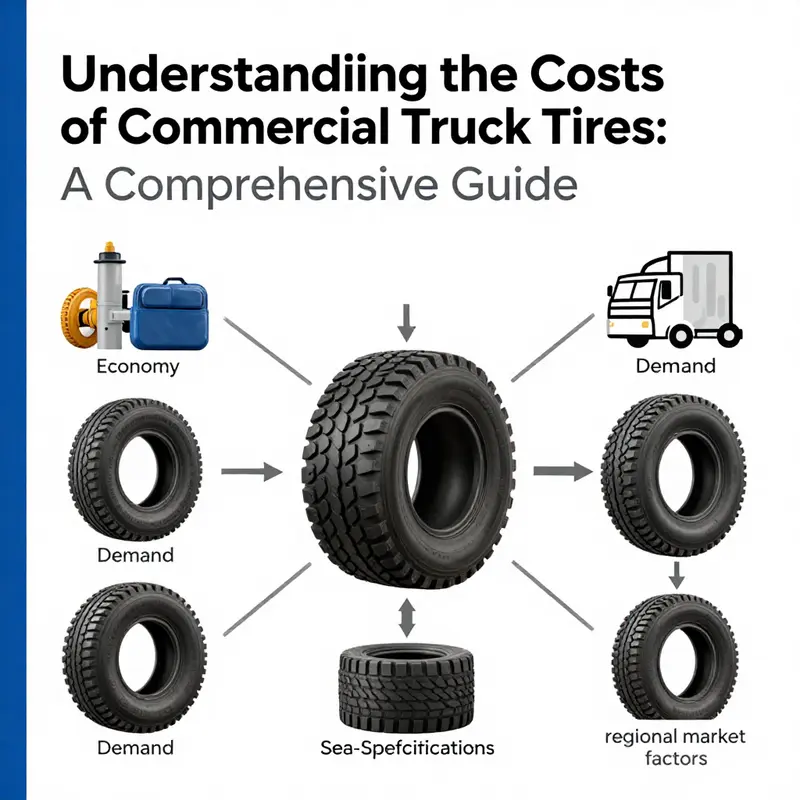
Pricing the road is a more intricate equation than a sticker price. For fleets and independent operators alike, the cost of a commercial truck tire emerges from a constellation of factors that extend far beyond the rubber and steel inside the tire. Size and specification remain primary inputs—smaller, lighter-duty tires in the 11.00R20 to 12.00R20 range typically sell around $70 to $160 per tire, while larger, heavy-duty configurations such as 12R22.5 or 295/80R22.5 usually run from $80 to $220 per tire, with premium or high-mileage variants occasionally nudging beyond $250. Even these ranges must be read against broader dynamics: long-life or premium high-mileage models may cost between $100 and $150 per tire, reflecting warranties that cover hundreds of thousands of kilometers and a suite of safety and efficiency improvements. And when buyers embark on bulk purchases—whether for a single container or larger shipments—the per-unit price often improves, with practical examples like 8.25X20 tires landing around $90 to $100 each when the MOQ is modest and demand forecasts align with production capacity.
All of these price bands are shadows of a much bigger picture. The same tire does not carry the same price from one region to another, and regional manufacturing mix further tilts the math. Domestic production, especially in major industrial hubs, continues to supply fleets with quick turnaround times and stable supply lines, while Chinese and other international suppliers offer competitive pricing and highly customizable options that minimize lead times for large orders. The interplay between local and offshore sourcing creates a moving target that procurement teams must navigate with careful balance: cost must be weighed against quality, reliability, and the ability to keep a fleet on the road without unexpected downtime.
The supply chain dynamics that feed into tire pricing deserve close attention. Global procurement teams aim to strike a balance between cost, quality, and reliability, and they increasingly rely on suppliers who can deliver in the volumes modern fleets require. In regions like India, domestic manufacturers still play an essential role in the supply chain, with cities such as Chennai and Pune contributing to regional stability. Yet the lure of international suppliers—where pricing can be more aggressive and customization options broader—persists, especially for fleets seeking standardized tire specifications across multiple sites or operating in export-oriented markets. The scale of manufacturing matters: large Chinese facilities with integrated rubber processing and ample downstream capacity can fulfill tens of thousands of tires monthly. Proximity to shipping ports matters too. When a factory sits close to a major port, fulfillment windows shrink, enabling bulk orders to be satisfied and delivered within 15 to 30 days after order confirmation, a cadence that supports fleet maintenance cycles and planned replacements.
This scale and reach influence the cost per unit, but price is not determined by raw material costs alone. The evaluation of suppliers has evolved into a more rigorous process, one that looks beyond the bottom line to a more holistic view of risk and value. Today’s buyers expect documented quality controls, traceable digital transaction histories, responsive communication, and performance benchmarking. A tire purchase is increasingly a relationship with a supplier that can prove consistency, predictability, and responsiveness across the supply chain. In practice, this means that a favorable unit price may be offset by longer lead times, inconsistent supply, or gaps in after-sales support unless the supplier can demonstrate a track record in quality control and reliability. For fleets, the practical implication is clear: the cheapest tire is not always the most cost-effective choice over the life of the vehicle, particularly when fuel efficiency, tread life, and predictable maintenance schedules are factored in.
Regulatory compliance adds another layer of price pressure. International competition pushes manufacturers to innovate, and regulatory requirements—covering safety standards and environmental performance—demand significant investment in research and development. Tires intended for long-haul over-the-road use often incorporate advanced tread compounds, reinforced casings, and enhanced rolling resistance attributes to improve fuel economy and handling in diverse climates and road conditions. Compliance with standards and certifications—such as DOT, ECE, ISO 9001, and SmartWay—requires ongoing testing, documentation, and process improvements that are reflected in pricing. These investments help ensure tire lifespans, performance consistency, and safety records, but they also raise the baseline cost of new tires.
The economics of research and development are ever-present in tire pricing. The industry faces a continuous push to extend tread life, boost fuel efficiency, and improve wet and snow performance, all while meeting stricter safety regulations. The result is an R&D bill that gets folded into the price of the tire over time, even as consumer demand for lower upfront costs pressures manufacturers to optimize supply chains and production processes. The practical outcome for buyers is a need to balance initial purchase price with long-term value—tread life, mileage warranties, and fuel savings can shift the total cost of ownership significantly. In some segments, you will see high-mileage tires with warranties covering hundreds of thousands of kilometers, priced around the $100 to $150 range, a package that can pay off if your fleet operates at high annual mileage and under demanding duty cycles.
A critical lever in the pricing story is volume and the corresponding ability to leverage economies of scale. Large orders can unlock substantial price relief, particularly when manufacturers can allocate capacity to a single customer for a defined period. Bulk orders often enable more favorable pricing, lower per-unit costs, and improved logistics terms. For fleets that operate nationwide or across multiple depots, negotiating favorable container rates and favorable MOQs can transform what looks like a premium tire into a strategic purchase with predictable costs. This is especially relevant for fleets that run uniform tire specifications across different vehicle types or regional operations, where standardization lowers maintenance complexity and inventory costs. Industry dynamics around capacity utilization, freight rates, and demand for replacement tires also feed into pricing decisions, sometimes compressing margins in high-competition markets while offering opportunities for savings in others.
Understanding tire price in this frame also means considering total cost of ownership. The purchase price per tire is only part of the equation. Maintenance intervals, retreading options, and the time trucks spend out of service for tire changes all influence the real cost per mile. Fleet managers increasingly view tires through a lifecycle lens, calculating how long a tire will last, how often it will be rotated or retreaded, and how much fuel economy will improve with lower rolling resistance. A midway approach—selecting a tire with a longer life and better fuel efficiency—may yield a lower cost per mile even if the upfront price is higher. The choice becomes a strategic obligation, not merely a shopping decision.
For readers seeking a deeper dive into how macro trends shape tire pricing, industry dynamics, including trucking economic trends affecting trailer orders, provide a useful lens on demand, capacity, and price resilience. Trucking Economic Trends Affecting Trailer Orders illustrates how shifts in freight demand and fleet utilization ripple into the tires that keep equipment moving. These trends reinforce the idea that tire pricing is not static but responds to the broader rhythm of the logistics ecosystem. As fleets map their procurement strategies, they should weigh short-term price movements against long-run value propositions—quality, reliability, and support networks that minimize downtime and maximize uptime.
External reading on market dynamics and strategic sourcing further informs this planning. A comprehensive exploration of tire market trends and sourcing strategies in a large, growing market offers actionable context for buyers navigating price risk, supplier quality, and regulatory compliance. See the broader analysis here: https://www.trucknews.com/industry/tire-market-trends-and-strategic-sourcing-for-india-2025.
Final thoughts
In conclusion, understanding the various elements that contribute to the pricing of commercial truck tires is essential for effective fleet management. By examining size, brand influence, quality considerations, bulk order benefits, and other influencing factors, logistics, construction, and delivery fleet owners can make better-informed purchasing decisions that align with their operational needs. This comprehensive insight not only aids in budgeting but also ensures safety and performance in fleet management.