
In today’s competitive logistics and construction sectors, the reliability of every component in your fleet can significantly impact operational efficiency. Among these, the choice of truck caps plays a critical role. Fiberglass commercial truck caps are increasingly recognized for their exceptional durability, weather resistance, and robust impact protection. Owners of logistics firms, procurement teams in construction and mining, and small business owners managing delivery fleets all benefit from understanding the advantages of fiberglass. This article delves into the numerous benefits of fiberglass truck caps, focusing on their strength and reliability in tough environments, how their durability and resistance to harsh weather contribute to cargo safety, and their superior impact resistance compared to alternative materials. Finally, a comparative analysis will clarify why fiberglass stands out as the material of choice for commercial truck caps.
Fiberglass Fortitude: Why Fiberglass Commercial Truck Caps Excel for Demanding Fleets

A hard-working fleet operates on a quiet arithmetic that does not tolerate failure: every mile, every load, every weather system tests the reliability of the storage solution perched above the cab. In that context, fiberglass commercial truck caps rise from being a mere add-on to becoming a core component of a fleet’s operational efficiency. They combine a poised balance of lightness and strength, weatherproof integrity, and practical versatility that many operators find indispensable when the job calls for stubborn reliability day after day. Fiberglass is not simply a material choice here; it is a deliberate stance toward durability, payload efficiency, and predictable maintenance in environments where tools, equipment, and vulnerable cargo must survive exposure to rain, salt, heat, and the occasional rough road without turning into a maintenance headache at every service interval. The advantages are not abstract; they show up as fewer rust-related concerns in winter storms, tighter seals that keep rain out and dust out of the tool chest, and a cap that remains robust after years of use, not a dented liability that spawns more maintenance orders than it saves.
One of the most immediate and tangible advantages is the way fiberglass handles weight. Compared with traditional metal caps, fiberglass stays notably lighter while resisting the compromises that often accompany lighter construction. This weight differential translates into real-world gains: improved fuel economy and a larger payload, two factors that fleets routinely track when calculating total cost of ownership. The math might appear straightforward, yet the practical impact is meaningful. Every extra pound avoided above the bed translates into more insurance-friendly, cost-effective transport that can stretch a fleet’s dollar over the life of the vehicle. And while lightness is a feature, it does not come at the expense of resilience. Fiberglass can absorb impacts and recover from minor dings more gracefully than some metals, preserving the cap’s shape and seal integrity after stray bumps or loading missteps that occur far more often than perfect handling would allow. The material’s intrinsic resistance to rust and corrosion is another direct benefit, especially for fleets operating in salt-prone winter zones or coastal environments where metal components might begin to deteriorate within a few seasons. The absence of rust means fewer maintenance cycles, fewer parts replacements, and a cleaner, more professional appearance that can matter to customers who see the rig in service every day.
The long life of a fiberglass cap is built not only on the material itself but on the way the cap is engineered and installed. Fiberglass, when combined with reinforced mounting systems—often incorporating steel channels or cross-bracing—provides a track record of staying secure on the truck through rough terrain, heavy loads, and high-speed travel. That combination matters most in fleets that routinely navigate construction zones, rural backroads, or icy ramps where stability and a secure seal are non-negotiable. The seal architecture, too, is a critical component of the overall reliability story. Seals and gaskets—often high-density and compression-based—work in tandem with the cap’s seamless laminate to form a watertight envelope around doors and access points. The advantage is not only a drier cargo hold but also less debris intrusion into the interior storage spaces. In practical terms, water intrusion translates into ruined tools, electronics, or battery-operated equipment. The more robust the seal, the fewer headaches fleets experience when parking outside in unexpected downpours or driving through slush and spray at highway speeds.
A fiberglass cap’s appeal is deepened by its customization potential. Many models are designed to fit a particular make and model with precision, giving fleets a clean, professional silhouette that complements the truck’s lines while improving aerodynamics and ease of cleaning. Color matching to the vehicle color code is a small but meaningful detail that communicates a sense of care and discipline in fleet presentation. The aesthetic flexibility extends beyond color. Interior configurations can be tailored to meet specific operational needs, enabling fleets to optimize space for hand tools, torque wrenches, heavy hardware, or sensitive electronics. In practice, this means a cap that not only looks right but also functions in a way that aligns with how a crew actually works. The integration of interior storage, whether through built-in racks, drawers, or modular shelving, allows technicians to organize their gear efficiently, reducing the time spent searching for the right tool during a service call. A neat, well-organized interior translates into quicker turnarounds at customer sites and fewer on-road delays caused by missing equipment.
The practical benefits extend to the ways fiberglass caps support loading and unloading operations. A front-to-back continuity in the design, with wide-opening rear doors or oversized access points, is essential when tradespeople routinely move bulky materials like plywood, sheet goods, or ladders. In many fleets, the ability to swing open the rear doors widely enough to crawl-in with a bulky item dramatically reduces the risk of damaging doors or scraping walls during loading. Optional features—such as sliding cargo trays, reinforced roofs that can support ladder racks, and interior cargo organizers—enhance operational efficiency by making it quicker and safer to handle long or heavy loads. These features are not vanity add-ons; they are practical tools that support crews as they navigate busy job sites, hazardous conditions, and tight workspace constraints. When a cap can adapt to the day’s tasks without forcing a crew to improvise, it becomes a reliable ally rather than a cumbersome aftermarket accessory.
Weatherproof protection is a core premise of fiberglass truck caps, and it proves particularly valuable in trades where weather is less a nuisance and more a critical factor that can affect job quality and equipment integrity. The cap’s structure, combined with stressed-rim doors and high-density gaskets, helps maintain a dry interior even when the weather outside is hostile. In the field, dew, humidity, and temperature swings can lead to condensation that threatens sensitive electronics or delicate components. Ventilated roof panels, a feature seen in many fiberglass-cap designs, help mitigate this risk by promoting air exchange and reducing internal moisture buildup. It is a small design choice with outsized consequences for protecting stored electronics, power tools, and other moisture-sensitive gear. Beyond that, the weatherproof envelope protects against salt spray in coastal or winter transit scenarios, further extending the cap’s useful life by reducing corrosion exposure to the most vulnerable joints and fasteners.
Yet the advantages of fiberglass are not limited to how the cap protects gear. They extend into the realm of fleet management and maintenance planning. When a cap lasts longer with fewer repairs, the fleet spends less on the ongoing upkeep that tends to accumulate around metal shells—things like rust mitigation, painting, and repeated resealing after leaks. The durability and stable, long-term performance can lower lifecycle costs, which is a meaningful factor for operators who need predictable maintenance budgets. In this sense, fiberglass caps contribute to a more manageable total cost of ownership, not simply through lower maintenance costs but also through better risk management. Fewer leaks and fewer dents mean less risk of secondary damage to stored cargo, such as moisture damage to batteries or electronics, which in turn reduces the likelihood of warranty claims or on-site service calls.
The conversation about fiberglass caps would be incomplete without considering the broader context of fleet operation and market dynamics. In an industry where weight, efficiency, and uptime are the currencies of productivity, every component that enhances payload, protects cargo, and reduces maintenance contributes to the bottom line. For fleets that depend on reliable, quick-turnaround service, the cap’s ability to stay secure during transit, while offering easy access for loading and unloading, translates directly into less downtime and more productive hours on the road. In markets where capacity is tight and margins are razor-thin, small performance gains can compound into meaningful competitive advantages. For more on these market realities, see industry insights on excess capacity in the trucking market. Excess capacity in the trucking market insights. These insights remind operators that the value of a well-chosen cap extends beyond immediate usage; it is part of a broader strategy to optimize payload efficiency, protect valuable gear, and maintain high service levels in demanding conditions.
The chapter’s focus on durability, fit, and utility is deliberately practical. It is about how design choices translate into real-world outcomes: fewer rust-related interruptions, tighter seals that result in better weather protection, and interior layouts that support a technician’s workflow rather than impede it. Color-matched finishes and precise model-fitting contribute to a professional fleet appearance and a sense of control that crews recognize when they walk to the back of the truck at the start of a shift. The movement from concept to practice—lightweight strength, sealed access, modular interior options, loaded reinforcement—reflects a philosophy that prioritizes reliability for crews who live in their vehicles. In environments with frequent exposure to rain, road salt, or harsh UV exposure, fiberglass caps stand out for offering long life with minimal routine maintenance. They are designed to resist environmental wear in ways that metal alternatives may struggle to match, especially when subjected to the same daily grind across multiple seasons.
The broader implications of choosing a fiberglass cap extend into safety and efficiency. A well-sealed, properly mounted cap helps keep tools secure from theft and protects cargo from the weather and from road debris. This is not merely about preventing loss; it is about preserving the integrity of the tools and materials that technicians rely on to complete complex jobs on schedule. As fleets scale or diversify, the predictability of service life and maintenance needs becomes a practical advantage. A fiberglass cap’s durability supports a stable fleet profile, enabling dispatchers to plan with greater confidence and fewer unexpected replacement costs. The integrated systems—ranging from reinforced mounting to vented roofs and heavy-duty doors—play a quiet but essential role in maintaining uptime and ensuring that a fleet can respond to project demands without the friction of frequent repairs or last-minute replacements.
In closing, fiberglass commercial truck caps present a compelling package for operators who value durability, efficiency, and practical utility. They offer a disciplined balance between light weight and structural strength, delivering payload benefits that support fuel economy without compromising cargo protection. They provide long service life with minimal maintenance, a key advantage in harsh climates. They offer custom fit and aesthetic flexibility that enhances both the truck’s appearance and its workflow. They bring enhanced utility through features designed to simplify loading and storage, while also delivering reliable protection against weather, theft, and damage. For fleets that aim to maximize uptime and minimize operational friction, fiberglass caps are more than a storage solution—they are an enabling technology that suits the demands of professional work. This is why many operators consider fiberglass the default choice when evaluating caps for commercial trucks, rather than a specialized or incidental accessory. In the end, the question is less about whether fiberglass caps can perform and more about whether a fleet is prepared to invest in a cap built to continue performing under the toughest conditions the road can present.
External resource: https://www.are.com/products/site-commander-fiberglass-truck-cap/
Beyond the Elemental Shield: The Enduring Durability and Weather Resilience of Fiberglass Caps for Commercial Fleets
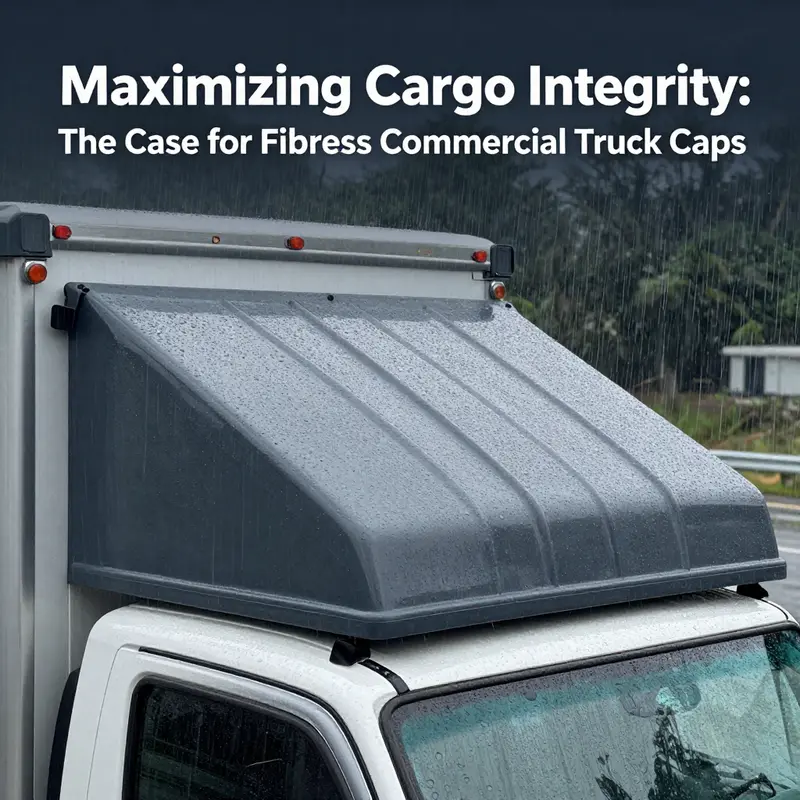
In the world of commercial trucking, the cap that tops a truck bed is more than a cosmetic addition. It is a vital link in the chain that protects cargo, supports daily operations, and reduces downtime. When fleets tally the true cost of ownership, durability and weather resistance often rise to the top of the list. Fiberglass caps, crafted as a reinforced shell of molded composite, stand out in this regard. Their core material, a blend of molded fiberglass and resin, forms a seamless exterior that resists the wear and tear of long miles, harsh climates, and the rough ingress of daily work. This is not mere marketing flourish. The resin matrix binds the fiberglass fibers into a monolithic structure that behaves as a single, tough skin. Across a fleet’s life, that skin holds together under wind-driven rain, road salt, chemical exposure from industrial zones, and the occasional off-road bounce. When the weather grows fierce and the road presents its worst, the fiberglass cap maintains structural integrity with a calm, dependable steadiness that metal alternatives often struggle to match over time.
Durability begins at the composition level. Molded fiberglass reinforced with resin yields a shell that is inherently rust-resistant and corrosion-resistant. In environments where humidity swings, salt spray from coastal routes, or chemical residues from industrial corridors are common, the risk of corrosion can erode metal bodies rapidly. Fiberglass does not oxidize, so the exterior surface maintains its integrity even after years of exposure. This is not to imply that fiberglass is indestructible; it offers high impact resistance that helps absorb and distribute energy from impacts or heavy loading. It resists denting more effectively than many softer alloys, though it may not rival aluminum for dent resistance in every scenario. The practical upshot is a cap that preserves its shape and seal over time, reducing the likelihood of gaps that let in water, dust, or moisture-laden air.
This resilience is amplified by how the cap is sealed and joined to the truck. The shell works in concert with tight, watertight seals around doors and side windows. High-density rubber O-rings or compression gaskets create a resilient boundary that presses firmly against the mating surfaces. When doors close, the combination of the fiberglass perimeter and the gasket’s compression forms a barrier that keeps rain and snow from sneaking inside. In work settings that see frequent door openings, such as delivery routes that pass through variable weather, these seals matter as much as the cap’s rigid shell. A seal system that remains pliable and robust across temperature extremes prevents moisture migration into cargo areas, protecting tools, electronics, fabrics, and other sensitive equipment stored inside. The result is less interior condensation, fewer rust pockets along the frame, and a steadier internal climate, which translates into reduced maintenance needs and fewer operational surprises.
Another layer of durability comes from the topography of the cap itself. Many designs employ vents or vented roof panels that help manage internal condensation, a common nemesis for stored electronics and textiles. Condensation forms when warm interior air meets the cooler surface of a roof, especially during rapid temperature changes between day and night or when equipment generates heat during operation. Vented panels allow moisture-laden air to escape while drawing in cooler, drier air from the outside. This dynamic helps maintain a dry interior environment, a nontrivial benefit for fleets that transport electronics, photographic gear, or moisture-sensitive fabrics. The vented roof approach also reduces the chance of water pooling on interior surfaces after a rain or a wash, further guarding against long-term moisture-related degradation.
Structural integrity is not merely about the shell and seals. The way a fiberglass cap is mounted to the truck chassis matters just as much. Cap makers reinforce mounting systems with steel channels or cross-bracing that integrate with the surrounding truck frame. This reinforcement improves stiffness and helps the cap resist flex during highway travel or rough terrain. A well-engineered mounting system prevents loosening over time, which could otherwise produce micro-gaps and noise, or eventually compromise weather sealing. In practice, this combination of a rigid shell, high-precision fit, and robust mounting translates into a cap that remains aligned with doors and windows through years of service. The doors maintain their exact sealing geometry, preventing rain intrusion when the cap experiences flex or vibration. In essence, the cap becomes a bonded part of the vehicle’s weather-resistance system rather than a loosely attached add-on.
The practical implications of this durability reach into daily fleet operations. First, the low maintenance profile of fiberglass caps matters. A seamless shell without exposed fasteners reduces niches for dirt, salt, and moisture to accumulate. When maintenance cycles come around, technicians spend less time chasing corrosion on the cap’s edges or repairing paint in areas where metal might rust. Clean, corrosion-free surfaces also improve the long-term appearance of a fleet, which can influence the perceived reliability of the entire operation. Second, the weather-tight nature of fiberglass caps protects cargo keep interiors drier and more consistent. Dry storage is crucial for tools, parts, and equipment that can degrade or corrode when exposed to moisture. The seals, the shell, and the vented roof work in unison to minimize interior humidity, which in turn supports the longevity of electronics and textiles stored inside. Third, the material’s resilience curtails the frequency of replacement or major refurbishment. Even in fleets that log tens of thousands of miles each season, fiberglass caps can remain serviceable for years with appropriate care, providing a favorable return on investment compared with more corrosion-prone options.
From a design perspective, a key advantage of molded fiberglass is its ability to be shaped into a tight, form-fitting exterior. The seamless nature of the shell means there are minimal joints or seams that could leak or collect dirt. When combined with premium gaskets and precision-fit doors, the result is a cargo enclosure that shields contents from wind-driven rain, blowing snow, and the fine grit thrown up by highway surfaces. This watertight performance is more than a comfort feature; it is a practical guarantee that the interior remains stable under demanding conditions. For fleets functioning in climates with dramatic precipitation or wide temperature ranges, this stability reduces the probability of water damage to cargo and equipment. It also contributes to consistent interior temperatures and dryness, which helps protect sensitive electronic devices and fabrics from humidity-related degradation.
A common impression about fiberglass relates to weight, and indeed fiberglass caps can be slightly heavier than some aluminum alternatives. Yet weight is only one piece of a broader equation. Heavier does not automatically mean less efficient. The overall lifecycle costs—maintenance, downtime, cargo protection, and the frequency of repairs—often tilt the balance in favor of fiberglass when durability and weather resistance are prioritized. When a cap holds its shape, seals stay intact, and the interior remains dry, the fleet avoids cascading problems that can occur after moisture seeps into mechanisms or electrical gear. In practical terms, the durability and weather resistance of a fiberglass cap translate into fewer trips for repairs, less time spent addressing leaks after a storm, and more predictable planning for drivers and maintenance teams alike. This predictability is invaluable in a sector where margins are tight and reliability is a differentiator.
From the standpoint of real-world design choices, an example approach uses cored fiberglass roofs and doors to boost stiffness and structural integrity without adding excessive weight. The core design reduces deflection, helping the cap retain its shape through thousands of cycles of opening, closing, bumping over curbs, and weather exposure. Such a design supports long-term sealing performance and helps maintain the alignment between the cap and the truck body. When the shell remains rigid, the seals continue to press evenly, reducing the likelihood of micro-gaps that would invite water intrusion or dust ingress. It also means less wear on the hinges and latching hardware, contributing to the cap’s durability over years of service. The combination of cored construction, precise fit, and reinforced mounting represents a holistic approach to durability that aligns with the needs of tradespeople and fleet operators who rely on durable, reliable storage solutions day after day.
For fleet managers who must balance capital costs with operational resilience, a fiberglass cap’s durability has a strategic value that extends beyond simple maintenance intervals. A durable cap reduces the probability of cargo damage from moisture, protects sensitive electronics from humidity, and lowers the risk of seal failure in extreme weather. All of these factors contribute to steadier vehicle availability and fewer nights spent on roadside adjustments. In this light, the choice of a fiberglass cap may be less about initial cost and more about the reduced exposure to weather-related risk and the predictable performance across seasons. The resulting uptime is not merely a metric of use but a reflection of the cap’s role as a protective enclosure that supports the entire workflow of a commercial operation. When drivers arrive at customers on time and with intact cargo, the broader business impact becomes clear: durability and weather resistance are not optional features but essential components of a fleet’s competitive edge.
In sum, the durability and weather resistance of fiberglass caps emerge not from a single feature but from the synergy of material composition, sealing strategies, venting, and robust mounting. The molded fiberglass shell provides a corrosion-free, impact-tolerant exterior; high-density gaskets and watertight doors preserve interior conditions; vented roof panels regulate condensation; and reinforced mounting ensures long-term alignment with the truck chassis. This integrated design produces a cap that can endure the environmental rigors of commercial routes and the physical demands of daily service. It is a practical choice for fleets that require dependable storage, reliable protection for valuable tools and cargo, and a maintenance profile that supports steady operations over time. For readers seeking specific implementation guidance or case studies tied to these principles, a closer look at fleet-level discussions around trailer orders and margins can provide helpful context for how durability considerations translate into operational outcomes. See the discussion here: Trailer Orders Impact Truckload Margins.
External references and further technical nuance can enrich the understanding of fiberglass cap construction and performance. For a detailed, manufacturer-style overview of how fiberglass caps are built to endure the elements, including material composition, seal design, and testing standards, readers can consult a comprehensive external resource: https://www.are.com/products/site-commander. This reference offers foundational context on how advanced cap designs balance stiffness, sealing, and weather resistance in real-world fleets, reinforcing the practical observations described above without anchoring to a specific brand in public-facing prose.
Steadfast Shells and Surefast Mounts: The Impact Resistance and Mounting Systems Behind Fiberglass Commercial Truck Caps
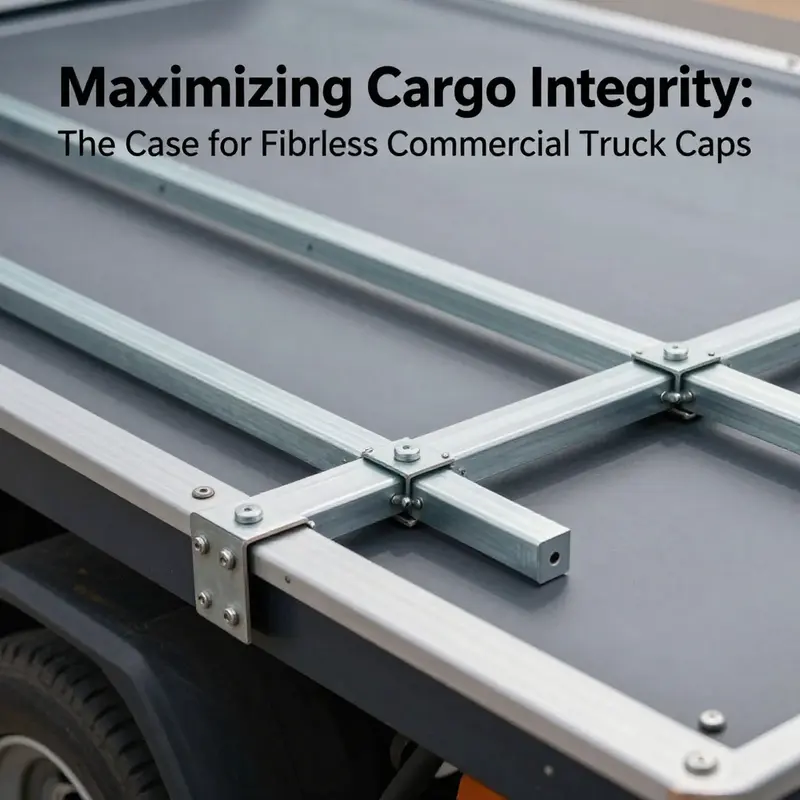
When fleets measure the value of a cap beyond simple weatherproofing, they look for something more fundamental: the ability to endure the knocks of daily work. Fiberglass commercial truck caps have earned a place in the lineup not merely for keeping rain out or adding dry storage, but for delivering predictable performance under the stress of demanding environments. The chapter on impact resistance and mounting systems is not about a single feature in isolation; it is about a cohesive engineering approach where material science, forming methods, and attachment strategies converge to create a cap that behaves like a single, integrated unit. In this light, fiberglass becomes less a material choice and more a design philosophy—one that prioritizes durability, reliability, and long-term value for tradespeople, contractors, and fleet operators who depend on their gear every day.
At the core of fiberglass truck caps is a property that tradespeople quickly learn to value: a high strength-to-weight ratio that translates into genuine resistance to dents, scratches, and the occasional misjudged loading moment. The resin matrix, reinforced by carefully oriented glass fibers, is engineered to distribute stress rather than concentrate it. When a cap encounters an impact—say, a stray ladder or the bump of a loading dock—fiberglass tends to absorb and dissipate energy more evenly than many metal alternatives. This is not to imply that fiberglass is indestructible, but it does mean that, under typical field conditions, the material holds its shape and integrity with less deformation. The advantage becomes especially meaningful on rough terrain or in off-road travel, where sudden jolts and shifts can stress a cap and its mounting system. In these moments, the presence of a robust, well-designed fiberglass shell helps prevent quick, compounding failures that could otherwise lead to leaks, compromised cargo protection, or mounting fatigue.
One piece of the fiberglass advantage is its seamless, one-piece construction. Unlike modular metal caps that rely on a matrix of joints and fasteners, a well-executed fiberglass cap is molded in a continuous form. This seamless design eliminates many potential leak paths and reduces the overall number of fasteners that must bear load and vibration. The result is less opportunity for water intrusion around doors and windows, where seals meet cap edges and the truck bed. The consistent thickness and continuous surface of a single-piece cap also contribute to a more uniform distribution of stress across the shell. When a cap is built as a monolithic structure, the entire shell shares load more evenly, a benefit that complements the escalated resistance to minor impacts. It is this combination of energy dispersion and tight seals that elevates fiberglass from a merely protective cover to a reliable, weatherproof shelter for tools, parts, and sensitive equipment.
If the shell is the backbone, the mounting system is the connective tissue that anchors the cap to the truck and ensures the entire assembly behaves as a coherent unit. Engineers design mounting systems to distribute stress across the bed rails and cross-members, reducing peak loads at any single fastener point. Integrated steel channels or cross-bracing are common features that serve two critical purposes: they stabilize the cap during transit and they make installation and removal more straightforward for fleets that regularly swap or service caps. When the mounting system is thoughtfully engineered, it accommodates a range of truck models while preserving alignment of doors, weather seals, and vented panels. This is essential for maintaining a dry interior and uninterrupted access to cargo without compromising the integrity of the seal envelope.
The relationship between mounting design and environmental exposure cannot be overstated. Road salts, grit, water spray, and chemical sprays are realities of many work sites. A cap’s resistance to corrosion and abrasion goes beyond the shell itself. The mounting hardware is exposed, and its longevity determines how long the entire system remains effective. In fiberglass caps, the mounting system often relies on reinforced channels and cross-bracing that can handle the vibration and dynamic loads generated by rough roads or high speeds on uneven surfaces. This design distributes stress across a wider area, avoiding the concentration of forces at a single mounting point. The result is a cap that can stay firmly attached even when the vehicle navigates off-road routes or encounters potholes that would otherwise loosen a less robust assembly.
The combined effect of impact resistance and secure mounting becomes especially evident in practical, day-to-day operations. Consider the routine task of transporting long, awkward items, or loading a pallet that sits high on the bed. In a well-designed fiberglass cap, the impact resistance of the shell absorbs incidental contact and minimizes denting along the edges or corners, preserving the cap’s contour and the integrity of seals. The one-piece construction further reduces the likelihood of gaps forming along seams that could channel moisture into the cargo area. Meanwhile, the mounting system preserves alignment and tightness as the truck vibrates along a washboard road or tows a loaded trailer. This triad of features—impact-absorbing shell, seamless construction, and stress-distributing mounting—translates into concrete advantages: fewer maintenance calls, reduced risk of water leaks around doors, and less downtime spent adjusting latches or resealing windows.
From a broader perspective, the durability offered by fiberglass caps is also a matter of predictable performance over the long haul. Fleets rarely have the luxury of frequent, service-heavy interventions. The engineering approach behind these caps emphasizes long-term reliability: UV inhibitors may be built into the resin or applied through protective coatings to resist fading and surface degradation, ensuring that the shell remains visually and structurally stable for years. The one-piece shell, untouched by multiple seams, resists cracking or delamination under stress better than assembled-metal counterparts when exposed to repeated temperature cycles and road shocks. And the mounting system, designed for easy installation and removal, reduces downtime during cap swaps and maintenance windows. In practical terms, this means a cap that holds its shape, keeps cargo dry, and remains ready for work with minimal intervention—a critical factor for fleet operators balancing uptime, maintenance costs, and safety.
Concerning condensation and interior climate, vented roof panels are a small but meaningful feature that complements impact resistance and mounting resilience. On hot days or in environments with high humidity, internal condensation can threaten sensitive electronics, tools with moisture-sensitive finishes, and stored materials requiring stable conditions. Vented panels help equalize interior and exterior temperatures, reducing moisture buildup. This is not merely a comfort feature; it is part of a comprehensive strategy to protect cargo and equipment. When the shell resists denting and warping, and the mounting system maintains a secure, stable perimeter, the interior environment remains more predictable. Cap designers often balance venting with seals and closures to ensure that vent pathways do not become leak points. The net effect is a storage solution that handles moisture thoughtfully rather than reacting to it after the fact.
The practical implications extend to daily workflow and safety as well. A cap that resists impacts and stays securely mounted reduces the risk of tool loss or misplacement during transit. It also reduces the likelihood of doors or hatches warping and becoming misaligned, which can create pinch points or hazards for operators. The reliability of the mounting system, with its cross-bracing or integrated channels, translates into steadier loads and more predictable cargo behavior during abrupt maneuvers or rough road conditions. This is especially valuable for fleets that travel across diverse terrains, from well-maintained highways to rural backroads where the road surface can change abruptly and cause uneven bouncing. In such contexts, the cap’s resilience—both shell and mount—acts as a shield that preserves the cargo and reduces the need for constant adjustment.
From an economic standpoint, the initial premium of fiberglass caps can be offset by long-term savings. The lower maintenance burden, thanks to tightly sealed joints and reduced leakage, means fewer service calls and less downtime. The mounting system’s durability extends the interval between replacements or refurbishments, and the one-piece shell reduces the number of failure points. When fleets evaluate total cost of ownership, the combination of impact resistance and secure mounting often emerges as the most cost-effective path to reliable, weatherproof storage. This is not merely about lasting longer; it is about sustaining performance across a vehicle’s entire service life, so that trucks spend more time on the road and less time in the shop.
To tie this discussion into the broader industry context, consider how the balance between upfront cap investment and long-run storage reliability affects fleet strategy. In analyses of trailer orders and margins, it becomes clear that equipment choices influence operating costs, utilization rates, and maintenance scheduling. A cap that withstands knocks and holds fast to the bed reduces cycle times for servicing and increases payload security, which in turn influences planning around fleet utilization and capital expenditure. By prioritizing an integrated approach—rugged shell, seamless construction, and secure mounting—fleets position themselves to ride out market fluctuations with steadier performance and lower risk of cargo loss or weather-related damage. This perspective aligns with the practical realities facing many operators: durability and reliability are not luxuries; they are essential components of a sustainable, cost-efficient operation.
In closing the internal logic of these systems, fiberglass caps that emphasize impact resistance and robust mounting are not simply durable because they are built to endure physical shocks. They are durable because the design anticipates the full lifecycle of a work vehicle—how it is loaded, unloaded, parked, and moved across a spectrum of weather and terrain. When a cap can sustain minor hits without warping, seal around doors remains tight, and the fasteners remain dependable, the overall storage solution becomes more than a container—it becomes a trusted partner in daily operations. In the end, the best fiberglass caps do more than resist denting or hold a seal. They stabilize a workflow, protect valuable cargo, and keep fleets moving with confidence. For operators, that combination of resilience, reliability, and practical daily value is what makes fiberglass a compelling choice for commercial truck storage where the road always has the last word.
External resource for further context on weatherproof storage and durable truck caps: Guide To The Best Truck Caps For Durable And Weatherproof Storage.
Internal reference note: For fleet planning considerations related to trailer orders and margins, see the analysis on trailer orders and margins trailer-orders-impact-truckload-margins.
Fiberglass in the Field: Material Truths and Trade-offs for Commercial Truck Caps
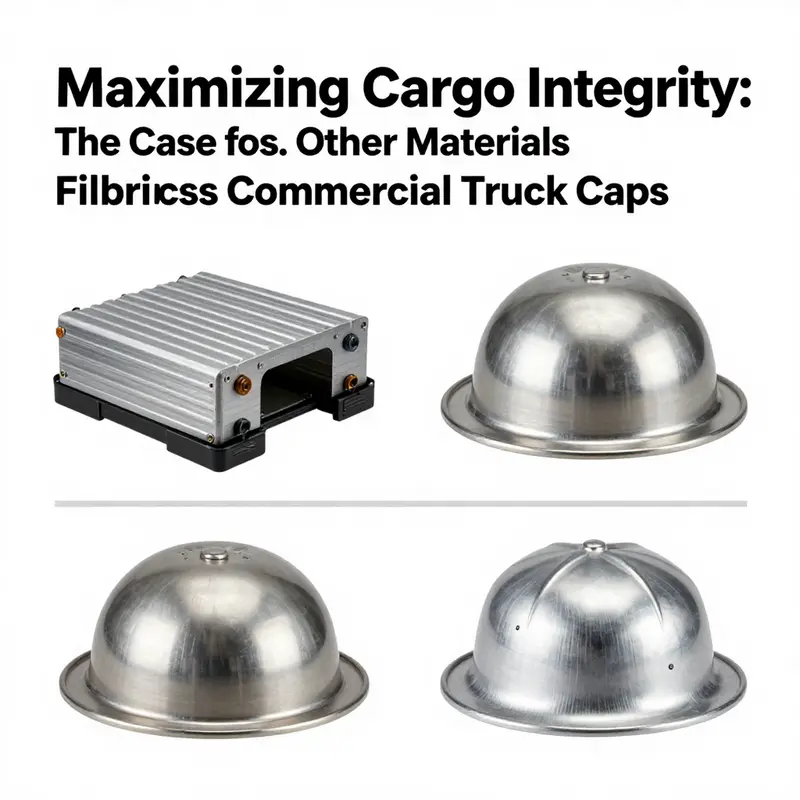
In the world of commercial trucking, the cap is more than a shelter; it is a working surface that directly supports productivity, protects valuable equipment, and influences the vehicle’s bottom line. Material choice matters not only for initial cost but for long-term reliability, maintenance, and the way the cap integrates with the truck’s chassis and the fleet’s operations. Among the available options, fiberglass has emerged as a leading choice for many fleets and contractors. Its blend of strength, weatherproofing, and manageable weight makes it well suited to harsh jobsite conditions, frequent loading and unloading, and the steady cadence of daily service that defines commercial use.
Fiberglass caps are built with a focus on durability and stiffness without excessive mass. A core construction approach, often featuring a reinforced roof and doors with a hollow or “cored” interior, provides substantial rigidity while limiting weight. This structural strategy is important in a field where payload capacity matters as much as weather resistance. The lighter weight relative to steel translates into better fuel efficiency and less stress on the vehicle’s suspension, especially on fleets that rack up miles across rough roads and uneven surfaces. Yet weight savings should not be read as a compromise on robustness. The fiberglass shell resists bending and flex under load, and its seamless molding yields tight, watertight seams around doors and hatches. In this context, the sealing system—often employing high-density O-rings or compression gaskets—plays a pivotal role. It is not merely about keeping rain out; it is about protecting tools, equipment, and cargo from dust, debris, and moisture that can degrade performance and shorten working windows.
The sealing and enclosure quality of fiberglass caps is complemented by thoughtful design details that support everyday work. The material’s surface can be molded to accommodate integrated features without sacrificing integrity. As a result, fleets can add reinforced mounting points for heavy-duty equipment such as ladder racks or workbenches, and still maintain a smooth exterior. The ability to tailor the exterior and interior layout—through careful control of the layup, the thickness in critical zones, and the placement of stiffening ribs—translates into practical advantages. A cap can be shaped to fit the truck’s color code, ensuring a professional appearance on the lot and on the road. Having a uniform, polished look is not mere cosmetics; it reflects a disciplined approach to fleet maintenance and driver pride, which in turn can influence asset utilization and resale value.
Beyond raw strength, fiberglass caps offer notable resilience to the environment. Corrosion resistance is a defining characteristic that matters deeply for fleets that operate in regions with road salt, heavy precipitation, or industrial atmospheres. Steel caps may resist denting in the moment, but corrosion can silently erode their reliability over time, increasing maintenance needs and risk of failure. Aluminum caps are lighter and less prone to rust, yet their softer metal can be more susceptible to denting and scratching from heavy impacts during loading or on rough terrain. Fiberglass sits in a middle ground: it has strong impact resistance, but it does so with a stiffness that resists deformation under typical service loads while still tolerating the occasional contact and abrasion common in field work. When combined with reinforced mounting systems—such as steel channels or cross-bracing—the cap remains securely fastened even on rough roads or at high speeds, reducing the chance of rattle, misalignment, or panel separation.
Water ingress is a constant concern in utility work, especially for crews that store electronics, power tools, and sensitive equipment inside the cap. Here, fiberglass’ seamless mold and tight seals translate into real operational benefits. The ability to maintain a dry interior directly affects tool longevity and reliability. Condensation can form on metal or poorly sealed surfaces, potentially affecting electronics or the performance of battery-powered devices. The vented roof panels sometimes incorporated into modern fiberglass caps serve a practical purpose: they help reduce internal humidity, protecting sensitive materials and aiding in climate control. In addition, venting can mitigate the fogging of windows and the buildup of moisture inside cabinets, which, in turn, helps crews maintain quick access and clear visibility when the day’s tasks change rapidly.
The functional value of fiberglass is further enhanced by its capacity for customization. Exterior color matching allows the cap to blend with the truck body, presenting a cohesive, professional fleet image. Internally, layout options can accommodate workstations, lighting, and mounting systems that facilitate daily tasks. For example, internal LED lighting can illuminate the cargo area, improving safety and efficiency during late-day or early-morning operations. Sliding cargo trays, while not universal, offer a practical way to access tools and equipment without heavy lifting or awkward movements. The capacity to tailor the interior to match work routines means drivers spend less time searching for gear and more time performing essential tasks. This level of customization supports a broader objective shared by most fleets: maximize uptime and minimize the time spent dealing with equipment issues.
A key consideration for owners and operators is how fiberglass stacks up against other common materials in total cost of ownership. In practice, the lifecycle value of fiberglass often hinges on a combination of corrosion resistance, maintenance needs, and the frequency of component replacements. Steel caps deliver unmatched rigidity and robustness in certain extreme conditions; they can resist impact well but at a cost. Heavier weight means higher fuel consumption and greater wear on the vehicle’s drivetrain and suspension, and the risk of rust and corrosion can rear its head if coatings fail or if maintenance lapses. Aluminum caps reduce weight and often resist corrosion, but their higher susceptibility to dents and surface damage can require more frequent cosmetic or structural repairs, especially in environments with frequent accidental bumps or abrasive contact. In contrast, fiberglass offers a more predictable maintenance profile: it tends to require less frequent coatings and rust prevention, and the laminate structure can be designed to minimize micro-cracking and water intrusion over long service life.
The practical upshot for many commercial operations is a balanced decision: fiberglass caps can provide a compelling combination of stiffness, weatherproof integrity, and customization potential without the heavy weight of steel or the dent-prone vulnerability of some aluminum designs. For fleets operating in mixed climates—where winter road salt, summer heat, and dusty rural routes are the norm—these attributes translate into fewer service visits, steadier load protection, and improved asset utilization. For operators who prioritize payload efficiency, the weight advantage can translate into marginal but meaningful gains in cargo capacity or fuel economy over time. For those focused on long-term reliability and reduced maintenance overhead, fiberglass can offer a favorable lifecycle cost that aligns with the pragmatism of daily field work.
Of course, no single material is ideal for every scenario. Steel retains a niche role where the consequences of impact are severe enough to justify its weight and rigidity, or where the work environment imposes such brutal conditions that maximum durability becomes non-negotiable. Aluminum remains attractive for applications where weight savings are the primary driver and the risk of dents is acceptable or manageable through careful handling and routine inspections. Yet for a broad swath of commercial operation, fiberglass stands out as a versatile, resilient, and serviceable option that harmonizes with the realities of field logistics, fleet maintenance, and driver workflow.
In considering a material choice, operators should evaluate several practical criteria beyond initial price. How does the cap behave under climate stress tests—resistance to freeze-thaw cycles, UV exposure, and moisture ingress? How easily can the cap be integrated with existing mounting hardware, racks, or interior fixtures? Will the interior finish tolerate heavy use and frequent access without escalating maintenance costs? And crucially, will the chosen design preserve payload capacity and support efficient work patterns for drivers who rely on quick, reliable access to tools and materials?
These questions matter not only for individual owner-operators but for fleets managing hundreds of units. In such contexts, the material decision can ripple through maintenance scheduling, driver training, and even resale value. The goal is to pair a cap with a truck and a crew in a way that keeps work progressing with minimal interruptions. When the characteristics of fiberglass—from its core construction to its sealing performance and mounting versatility—are aligned with operating realities, the result is a cap that performs consistently and remains a durable component of the vehicle system across years of service. This is the reason why many fleets treat fiberglass as a practical default for commercial truck caps, especially when the emphasis is on weatherproof protection, long service life, and the flexibility to optimize interior layouts for specific trades.
For readers who want to connect these material considerations to the broader market dynamics of the trucking industry, it helps to recognize how capitalization, maintenance, and utilization intersect. Market trends in trailer and fleet orders influence how fleets allocate capital and plan capex across vehicle age cohorts. When orders are prudent and margins are under pressure, the appeal of a cap that combines stiffness, weatherproofing, and low maintenance can become even more evident. This is not coincidence; it reflects how material choices shape operational efficiency, downtime costs, and the ability to deliver on customer commitments in a competitive environment. For more context on how market dynamics interplay with equipment decisions, see discussions on trailer orders and truckload margins in industry analyses. Trailer orders impact truckload margins.
In summary, fiberglass presents a compelling, well-rounded option for commercial truck caps. Its advantages in weatherproofing, structural integrity, and customization translate into tangible benefits for a wide range of operations. While steel and aluminum each hold distinct advantages in specific use cases, fiberglass offers a balanced combination of strength, lightness, and long-term reliability that aligns with the everyday realities of field work, fleet management, and the drive toward greater uptime and efficiency. The choice ultimately rests on the specifics of climate, terrain, payload needs, and maintenance philosophy—but for many fleets, fiberglass stands as a practical, proven path to rugged, reliable storage on the job.
External reference: https://www.are.com/products/site-commander-commercial-truck-cap
Final thoughts
Fiberglass commercial truck caps present compelling advantages that extend beyond their aesthetic appeal, proving essential for logistics, construction, and delivery companies. Their superior durability, weather resistance, and impact protection make fiberglass an optimal choice for any fleet operator focused on maintaining cargo integrity and operational efficiency. As businesses increasingly prioritize reliable storage solutions that can withstand harsh working conditions, fiberglass caps undoubtedly provide a strategic advantage for modern fleets. Investing in quality truck caps like these can translate into reduced maintenance costs, improved vehicle longevity, and safer transport of goods, aligning perfectly with the rigorous demands of today’s commercial environments.